
Category: Art Technique

  • Art work: “Identity”

    Art work: “Identity”

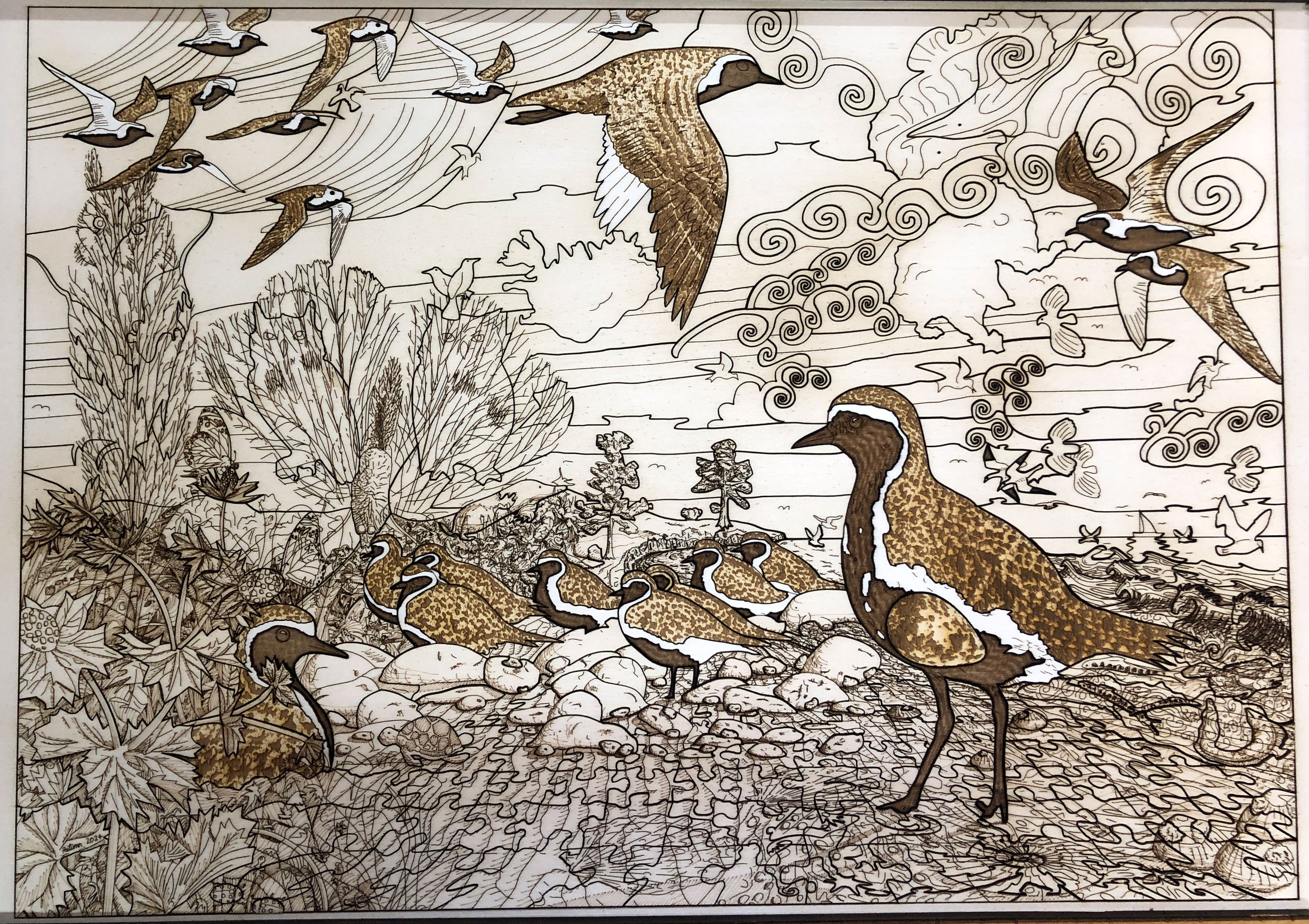
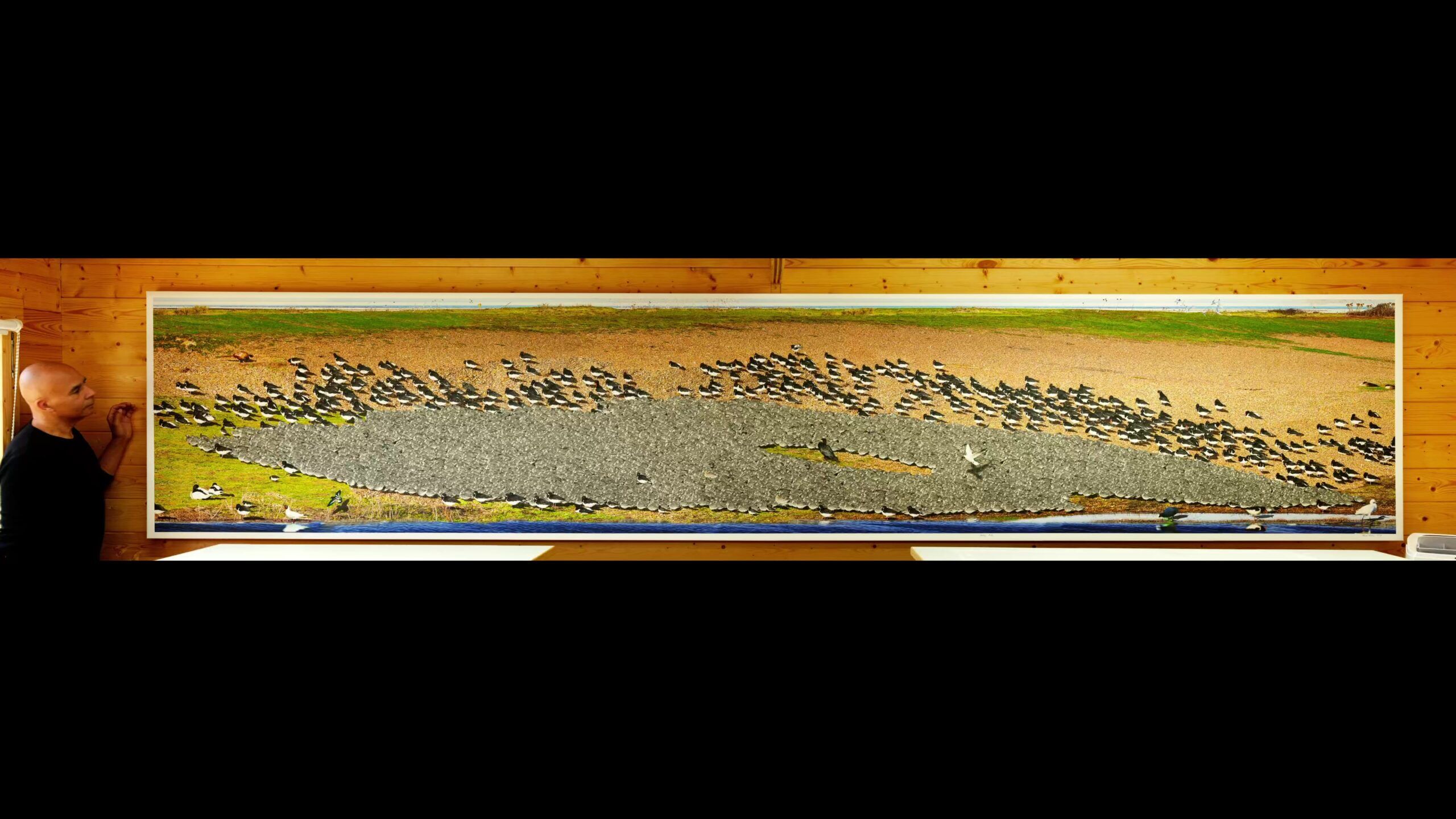
    "Identity" by Michael Autumn (2026) - full image
    “Identity” by Michael Autumn (2026) – full image

    (Catalogue #100_1970-1982: 194โ€ x 36.7โ€ (5m x 1.1m), limited edition of 11)

    TL;DR

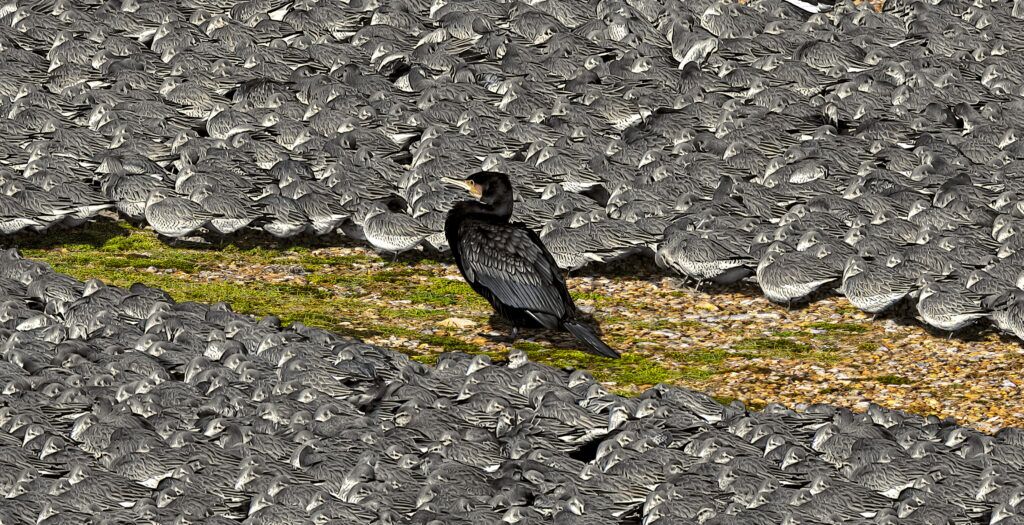
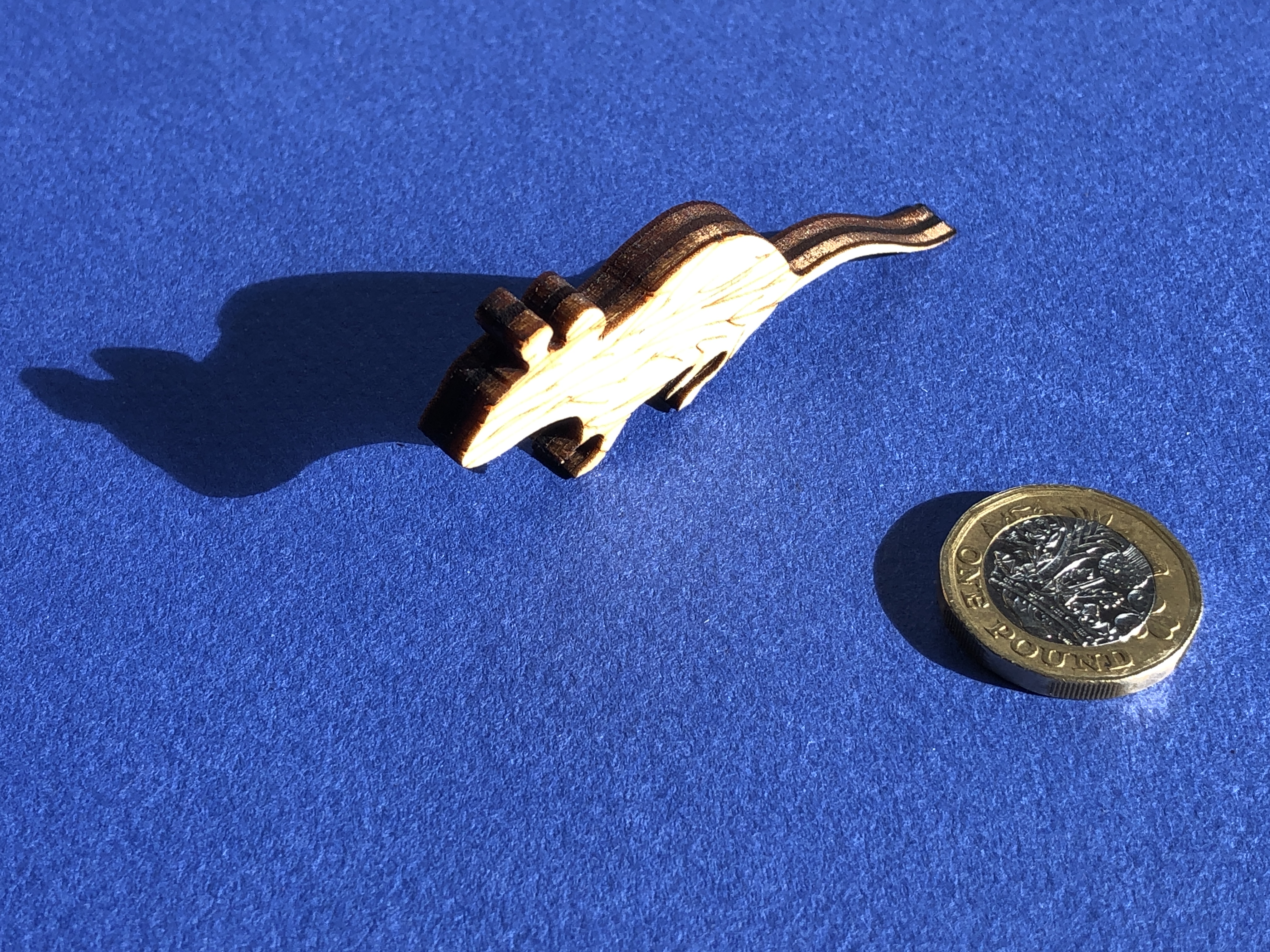
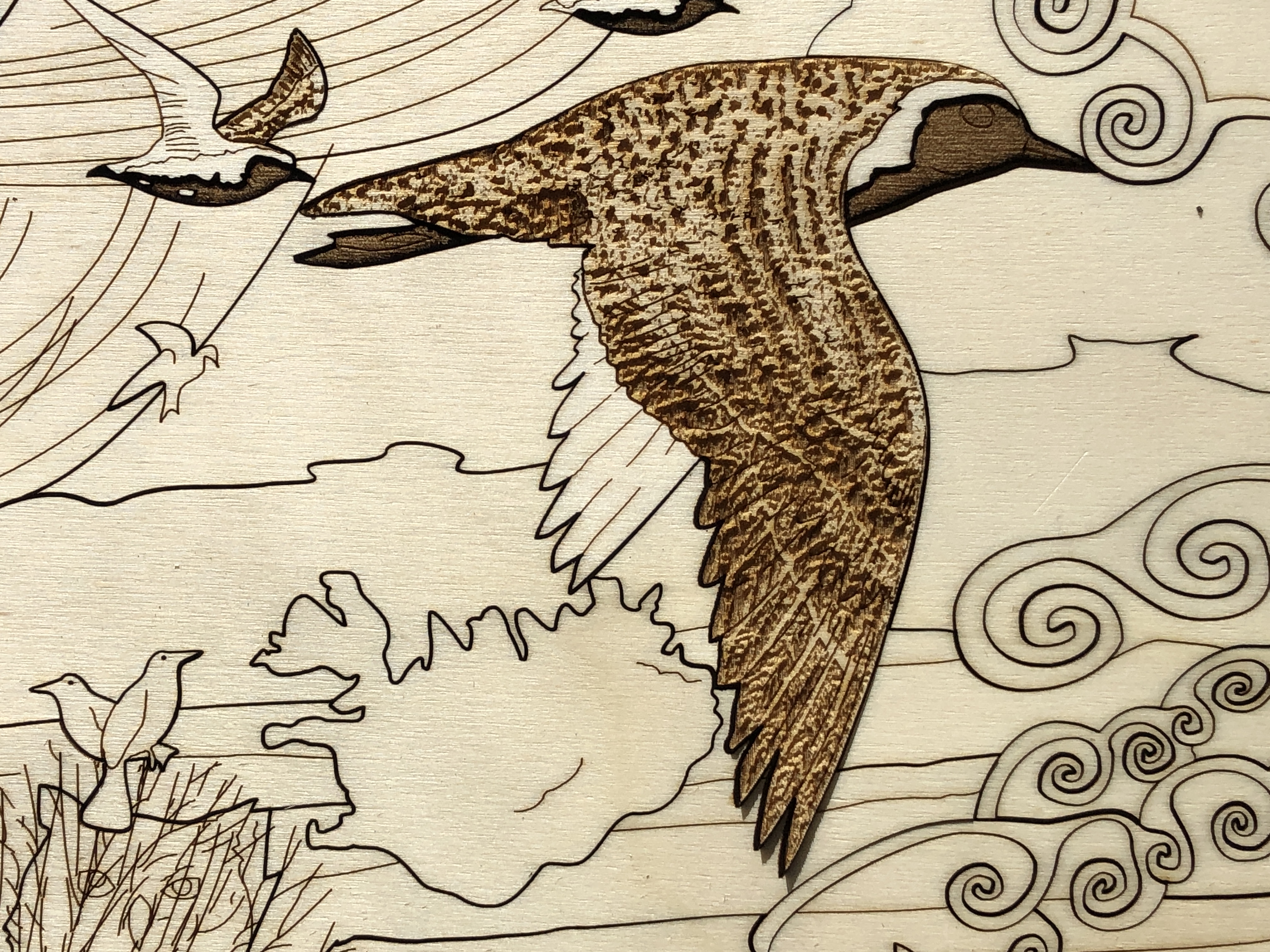
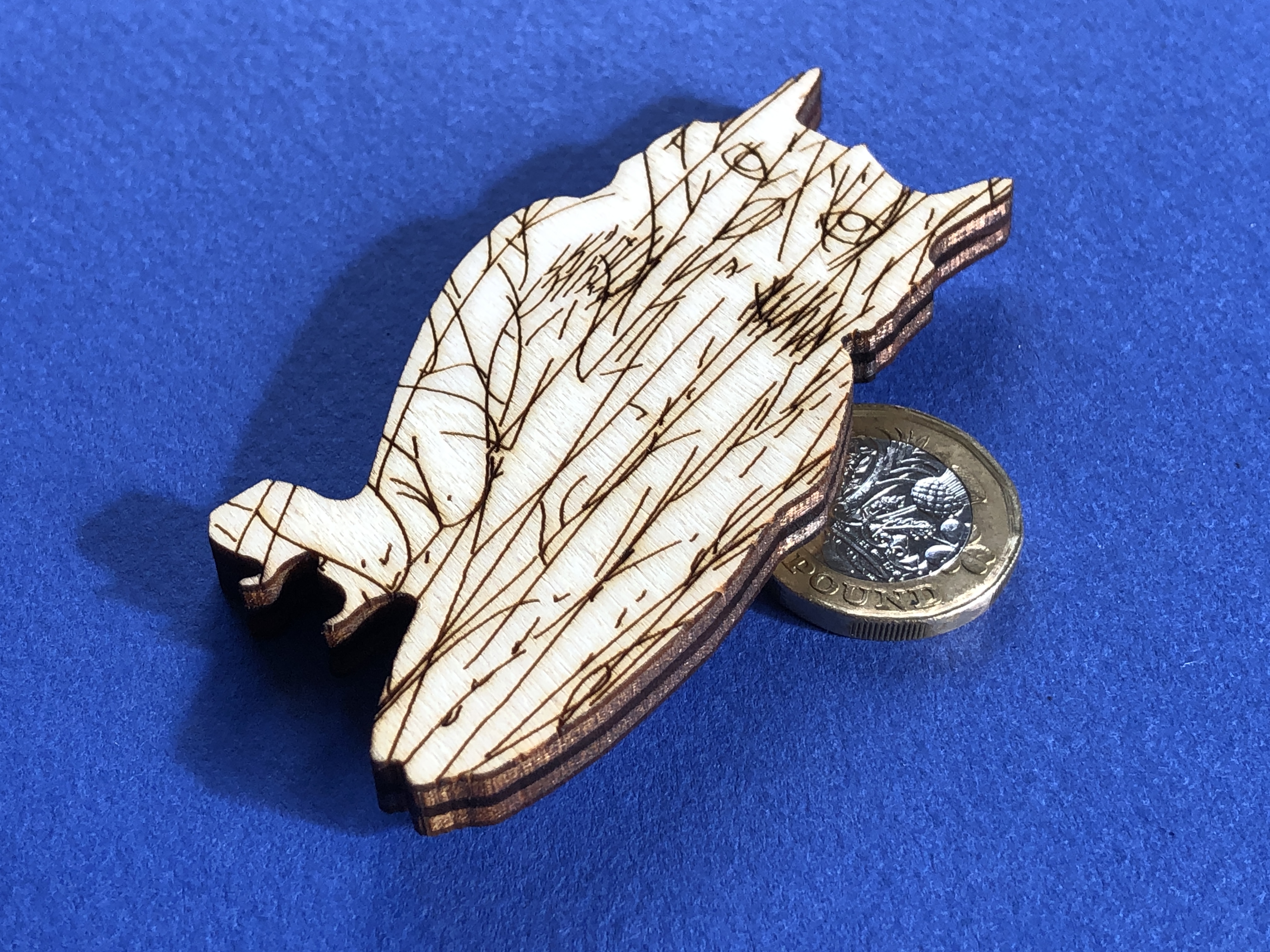
    This is a painstakingly reproduced scene (with some artistic licence) of a natural phenomena at Snettisham (U.K.) (the south-eastern part of The Wash – between Norfolk and Lincolnshire) of hundreds of various species of birds roosting on a cold winter’s day – waiting for the tide to go out to resume feeding. The birds are predominantly waders – mudflat/shoreline-foraging, and migratory. What strikes me most about this mass gathering is the different behaviour of the various species – in particular how close they get to their own species and to other species… Each species must have some notion of each of the other species – and form notions about them – such as are they a threat…? One thing for sure is that they all have a concept of others and their own identity… The lone cormorant in the middle of the main flock is a predator (mainly of fish), and wouldn’t normally prey on any of these birds. However, predators usually have similar aggressive, threatening, features – forward-looking eyes, big, sharp, beaks, and are relatively large. The empty space around the cormorant – which would be more or less circular in shape from above – belies what the surrounding birds (knot) think about it…


    Iโ€™m deeply intrigued, and spellbound, by Nature, and spend a lot of time watching, being mesmerised, and photographing/filming it. Every once in a while I come across something even more amazing than normal…

    This scene is as authentic as I saw it, but I have had to overcome the limitations of photography. I have gone to great lengths to faithfully reproduce what I saw in all its detail. It was a very sharp, cold, blustery, early spring morning. The tide was high and these birds were roosting – unable to feed on the mudflats. They were waiting for the tide to go out.
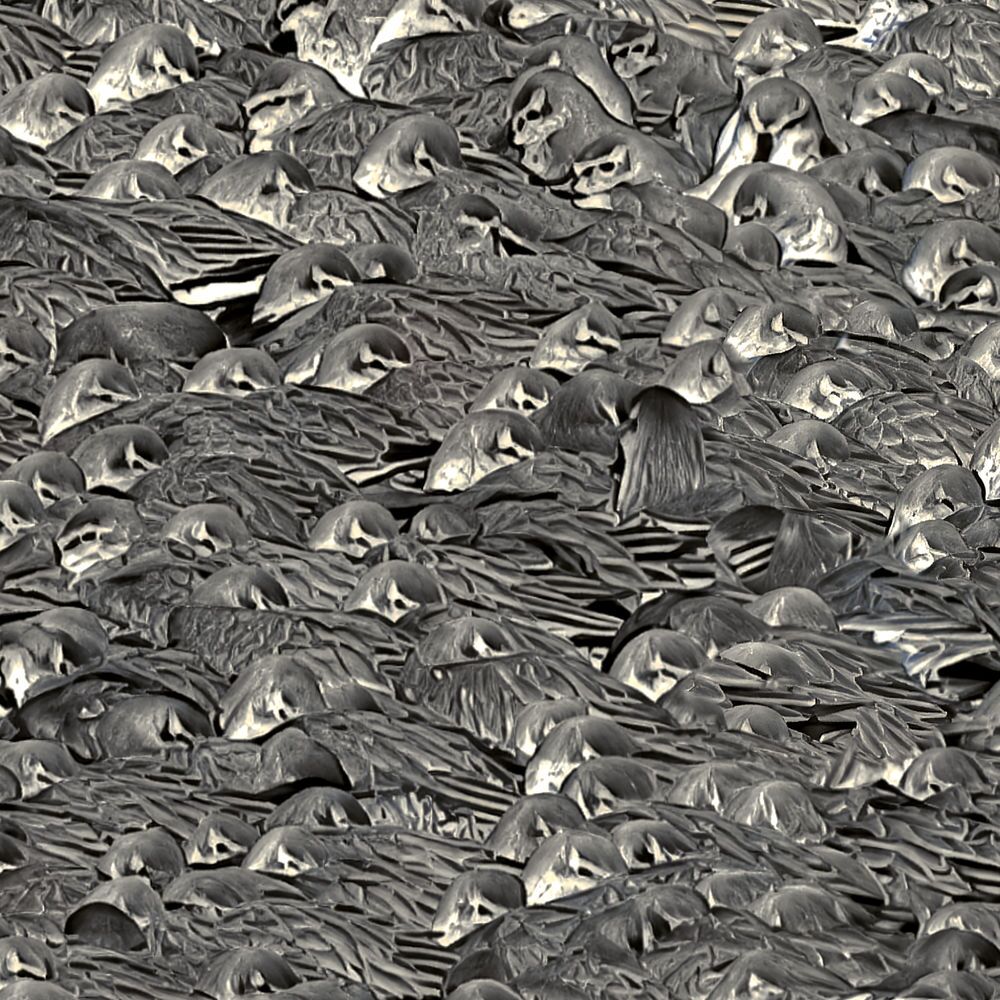
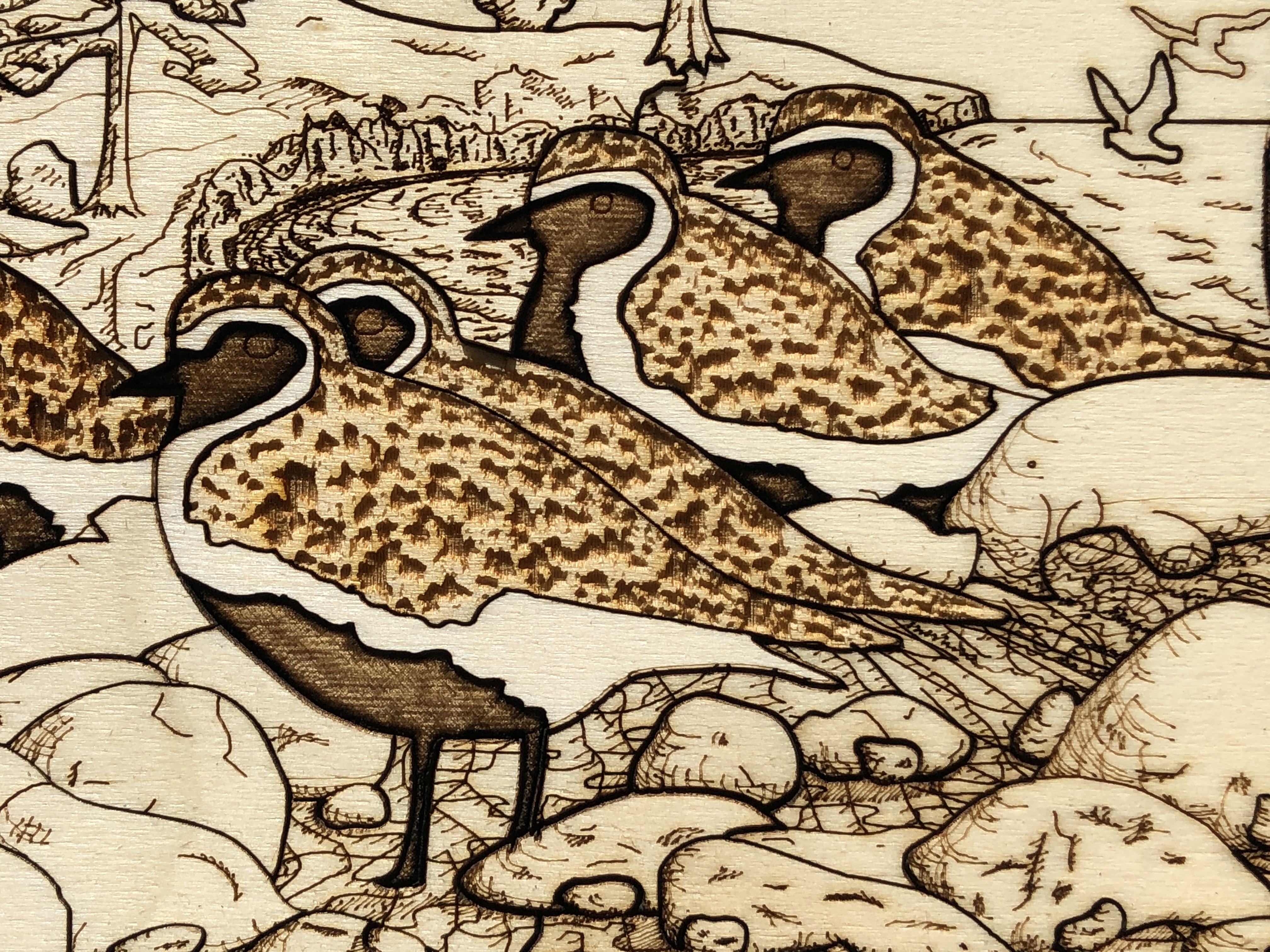
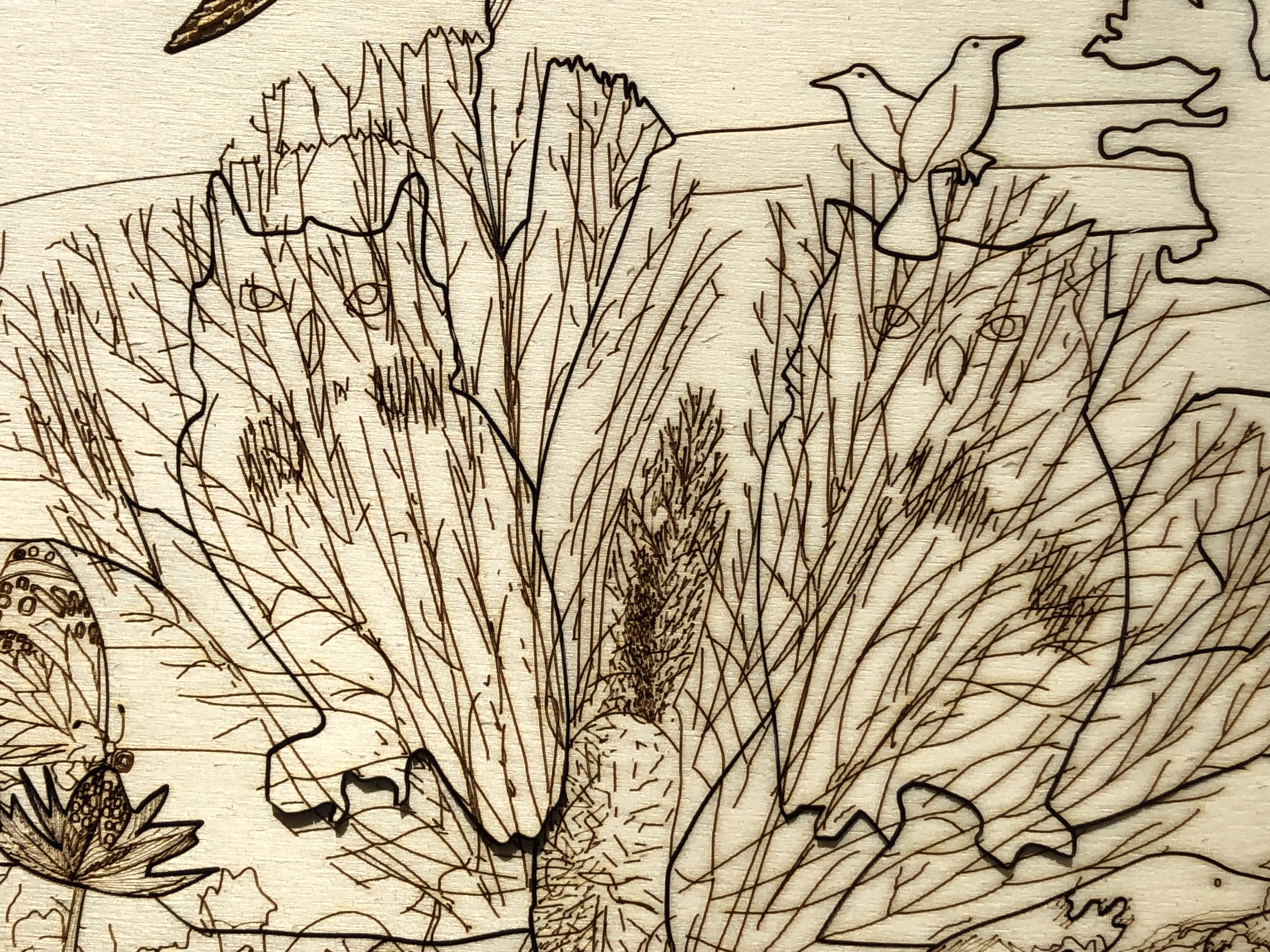
    Identity - Knot huddling together detail
    Identity – Knot huddling together detail

    Some species like the knot (the predominant grey birds in the 8-10,000 strong central flock) huddle together to keep warm, whereas others donโ€™t. Huddling together to keep warm is perfectly understandable, so why donโ€™t the other species in the scene do it…? Generally in the animal kingdom, the smaller something is, the harder it is for it to keep warm – because its surface area – where warmth escapes – in proportion to size (e.g. height) increases the smaller the animal is (this is simple maths). So in theory this should lead to smaller animals huddling together…? But it’s not as simple as this because there are smaller sized species than the knot that donโ€™t huddle – for example the turnstone (the smallest in the scene). Also, the only slightly larger black and white birds – the oystercatchers – don’t huddle together…

    The few individuals of different species engulfed in the sea of knot โ€“ the few lone oystercatchers (big black and white birds with bright red beaks) and the bar-tailed godwits (the long-legged buff-coloured birds with long straight beaks) โ€“ almost certainly didnโ€™t land in the middle of all the knot. Instead, they were probably slowly engulfed by them as the numbers of knot coming off the mudflats to roost gradually swelled.
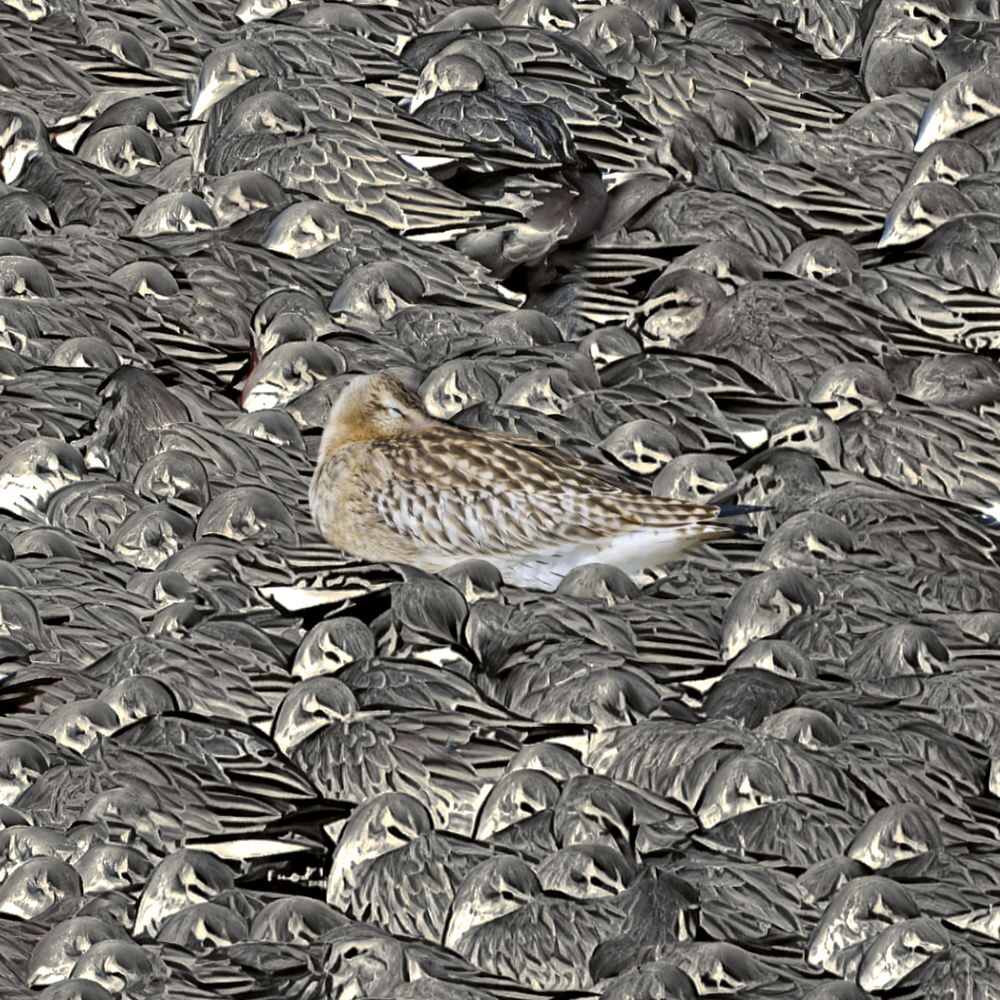
    Identity - Bar-Tailed Godwit engulfed by hundreds of Knot detail
    Bar-Tailed Godwit engulfed by hundreds of Knot detail

    The knot donโ€™t usually go around in one huge flock like this, rather they normally gather in flocks – of anywhere between a handful to a few hundred. While the tide was out and they were feeding, they would have been in these smaller groups. In the last hour or so as the sea slowly rose and covered their feeding grounds, the scattered flocks would have gradually given up the feeding frenzy and come in to roost. Flying over the shingle bank and into this sheltered hollow on the edge of the gravel pit lagoon, they would have seen some of their own already there and joined them โ€“ huddling together. The lone birds of other species would have been on their own initially, but as the mass of knot numbers swelled the โ€œlonersโ€ would have been slowly engulfed.

    A lone cormorant (predator) isolated in the middle of a huge flock of mainly knot - that want to keep their distance...
    A lone cormorant (predator) isolated in the middle of a huge flock of mainly knot – that want to keep their distance…

    For me this image raises lots of questions. Why did the knot feel comfortable getting that close โ€“ literally touching โ€“ some of those other species โ€“ even some that are significantly bigger than them โ€“ and not the cormorant (the big black bird in the middle of the big flock)? Does the cormorant look dangerous to them? Did the cormorant try to attack them? I doubt that very much โ€“ since they are fish eaters and are not known to be aggressive to other birds. Is it just the look of the cormorant that makes them feel uneasy…? Predators have a knack of looking aggressive. So do the knot – and other species for that matter โ€“ have an instinct for what-looks-nasty-probably-is-nasty…?

    And what does nasty look like? Two piercing, forward-looking, eyes; a certain stare-you-down-Iโ€™d-like-to-eat-you attitude; a big mouth with a sharp beak or teeth…? It is utterly amazing to me how such instincts can be carried in DNAโ€ฆ

    What did the cormorant feel โ€“ being completely surrounded by a sea of small grey birds that wouldn’t get close to it…? What did the surrounding knot feel โ€“ especially those on the inner edge closest to the cormorant…? How did they decide what a safe distance from the cormorant would be? From the side-on view of this conglomeration of birds, the shape of the space around the main predator cormorant looks cigar-like, but from about it would look circular – with the cormorant very much in the centre. The radius of the circle – the distance from the cormorant to the nearest knot (plural) – reflects the average distance the knot are conformable being to the big black predator – the distance they think they could fly off before it could strike at them…
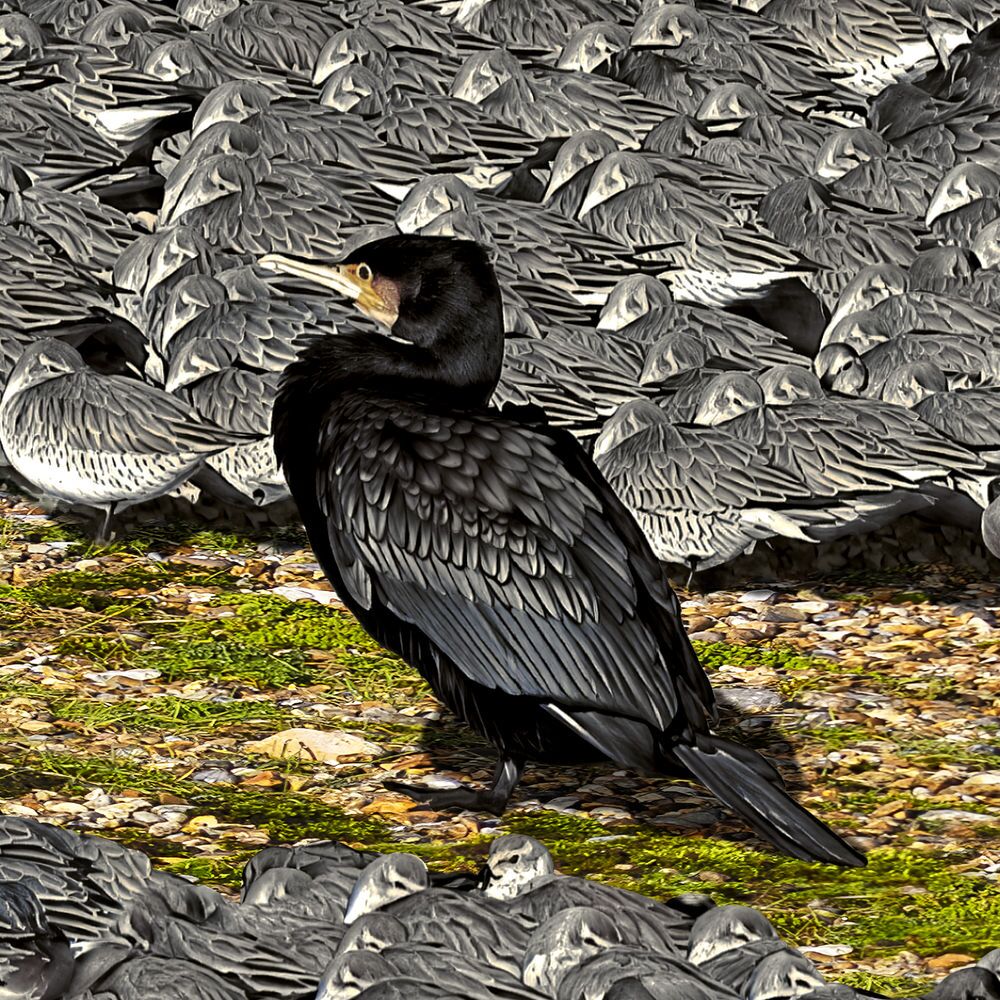
    Cormorant close-up
    Cormorant close-up

    Does the black-headed gull flying over the huge flock think โ€œbloody hell โ€“ thatโ€™s a lot of birds!โ€…? Does it even realise that they are birds at all – and not something like stones that it could land on…? How did the โ€œlonersโ€ feel as they were being slowly surrounded by the knot – as their numbers swelled…? How do animals identify themselves…? Why are some โ€œoutsidersโ€ allowed to get close and not othersโ€ฆ?

    Going back to the smaller flocks on the mudflats: if there were 8-10,000 individuals in the main roost, and the average size of smaller flocks was 200, then out on the mudflats there must have been somewhere in the region of 40-50 separate flocks of knot. I am interested to know what defines these flocks; how does an individual know it is part of a flock? Is there a leader of each flock? Imagine 200 individual birds foraging in the sand and mud for food: they canโ€™t all spontaneously decide to fly off in the same direction to a roost like the one in the picture โ€“ surely one takes the lead? Is it that any one of them can take the lead and all the rest follow…? Or is there a flock leader…?
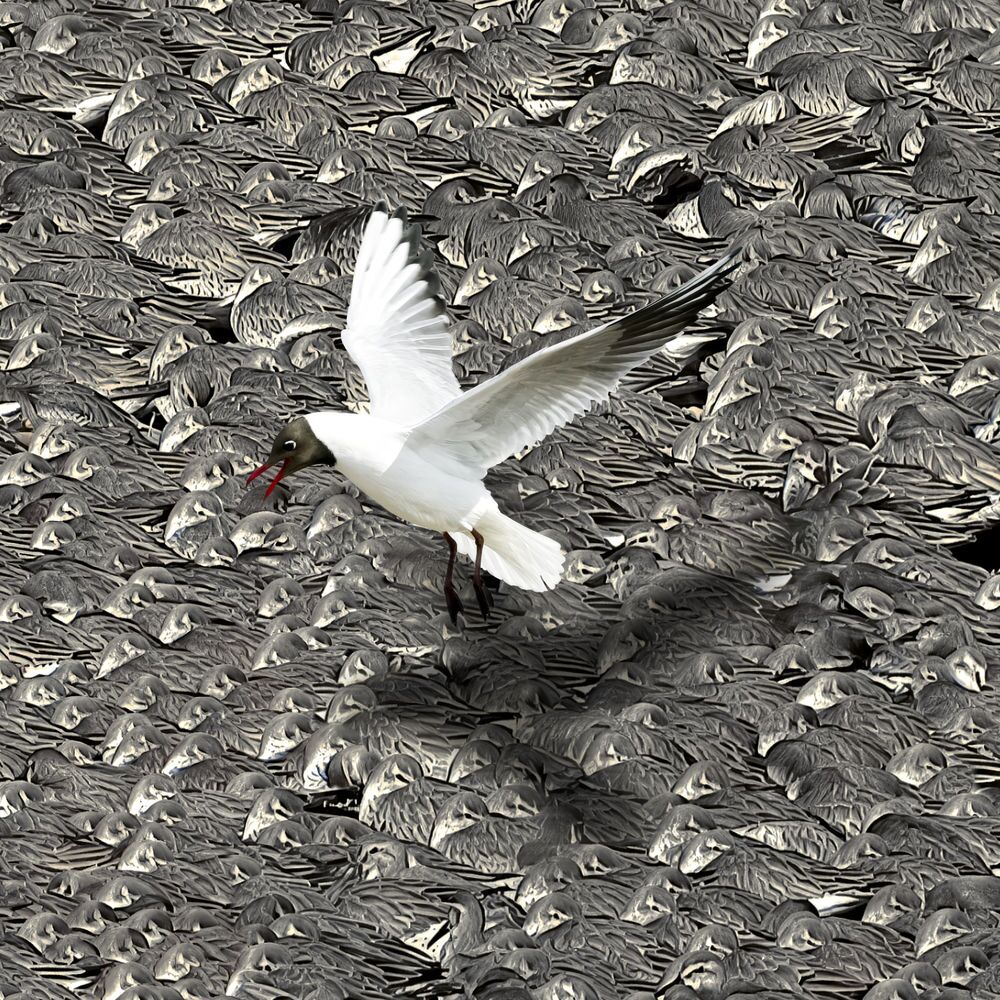
    Black-hooded Gull looking for somewhere to land
    Black-hooded Gull looking for somewhere to land

    Do the members of the flock recognise each other as individuals – or is there just some general sense of belonging and not wanting to be left on their own? Iโ€™m not sure it can be the latter because when the main roost broke up, it broke up gradually. A succession of small flocks flew off โ€“ back to the mud-flats. There wasnโ€™t one almighty exodus. This implies that while other birds were flying off, something kept the others where they were. Was it that no member of their group had taken flight, or did they have a leader who hadnโ€™t taken flight? This behaviour suggests a high level of small flock individuality. If there was a perceived threat like a fox or human getting too close, then Iโ€™m sure the whole roost โ€“ all 8-10,000 of them – would have taken flight; but in the normal calm of the roost each small flock seemed to act autonomously โ€“ just temporarily taking advantage of the warmth afforded by bigger numbers. Iโ€™m not sure we can ever know what is going on in the mind of one of these little birds, but that would be incredibly fascinating to discoverโ€ฆ

    The parallels between birds and us humans are quite striking. We have our little groups โ€“ friends, family, work colleagues, team members, etc. Sometimes we come together in huge crowds โ€“ such as sports events, coronations, concerts, evacuations, etc. And when we are in these huge gatherings we are acutely aware of our group and make special effort to keep in contact and move around together โ€“ to arrive and depart together. Something may trigger us all to move off together โ€“ like the end of an event, or a fire, but we still keep to our personal group wherever possible. There is usually a leaderโ€ฆ

    I am also interested in how comfortable we are for different people to get close to us. Speaking for myself, generally I am happy for strangers to get within a couple of feet from me (unless they look nasty or threatening); I generally donโ€™t like men to touch me at all, but for male friends itโ€™s okay; Iโ€™m happy for women and children to get very close and even touch me; and it is very special and highly desirable for a woman Iโ€™m attracted to to get close and touch me…! Indeed, such a woman could trigger an adrenalin rush โ€“ where my whole mind and body would become fixated, excited, and physiologically chargedโ€ฆ

    As for the closeness we will allow other species to get to us, this very much depends on our familiarity with the species, knowledge of their likely behaviour, and our knowledge of specific individuals and their moods. Generally we are comfortable with cats and dogs (the species depends on the cultural norm – so it might be different species in different cultures), but some people are allergic to them, or allergic to specific ones; some people have had bad experiences with them and wonโ€™t go near them. Suffice it is to say, familiarity and affection draw us together; unfamiliarity and fear push us apart. It is interesting to note that the young of most species are very cute โ€“ giving us the innate feeling of warmth and affection towards them, and wanting to touch them and give them everything they needโ€ฆ It is interesting that many species are programmed to respond in similar ways to cuteness and nastinessโ€ฆ

    Cambridge, England 28/10/2004


    Update June 2026

    I honestly thought this artwork was finished, and so after getting my new very large giclรฉe printer (late in 2025), I was ready to print it this year (April 2026). While preparing to print it, I felt I could make some significant improvements. Mainly I didn’t like the shingle and vegetation – basically all the land – which occupies about 40% of the entire surface area – which is a lot of square feet! I didn’t like it because it lacked colour – I think it had had a coating of dust over the winter months – and/or it hadn’t rained for a long time.

    I have hundreds of nature photos, and I looked at some I had taken several years after the original ones for this picture – and the shingle pebbles were really vibrant and multi-coloured – and the vegetation had much nicer, vibrant, greens (probably because they were taken later in the year – like spring). So I set about the mammoth task of masking out all the old shingle and vegetation, and, using nuanced techniques, I “repainted” all the areas I didn’t like with bits of shingle and vegetation I liked from other photos. When I finished this arduous task I then realised I was also unhappy with all the shadows over the old shingle and vegetation I replaced – so I then set about the equally arduous task of replacing all the shadows…!

    I also improved the detail on most of the birds – particularly the black and white oystercatchers (and I replaced all their beaks to make them more detailed and to stand out more realistically) – so each bird was meticulously improved. I also added a few more birds (from other photos I have taken since the originals) that appeared (or would usually) over the hours I was there. This involved adding shadows and reflections where appropriate.

    If you bear in mind that I try to make everything look as realistic and photographic as possible, you might not be surprised to know that the improvements I mentioned took over 300 hours – about six weeks (which is about as much as the original artwork took)…

    Aberdeenshire, Scotland 6/6/2026
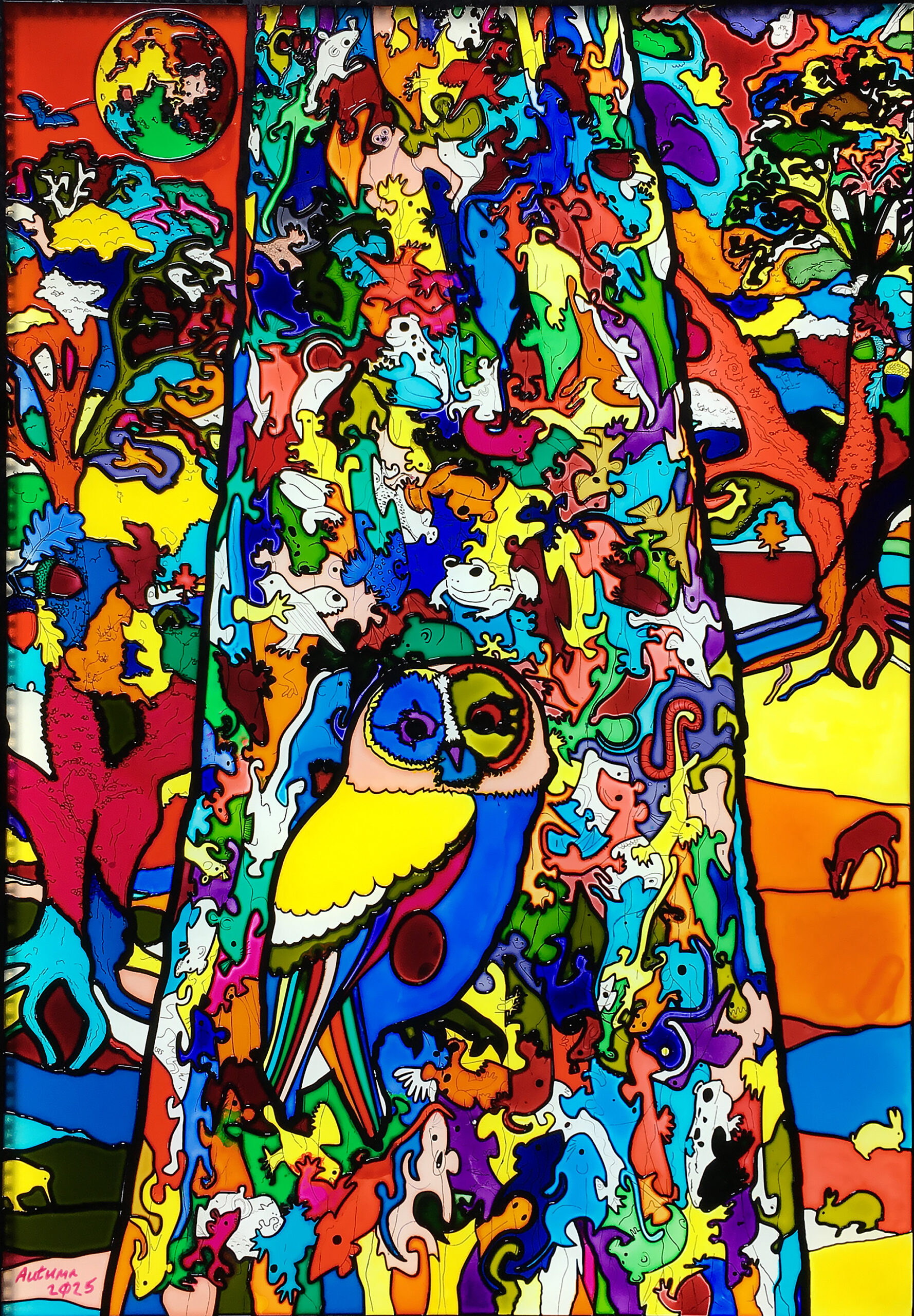
  • Tawny Owl in Landscape (Predator and Prey) โ€œStained Glassโ€

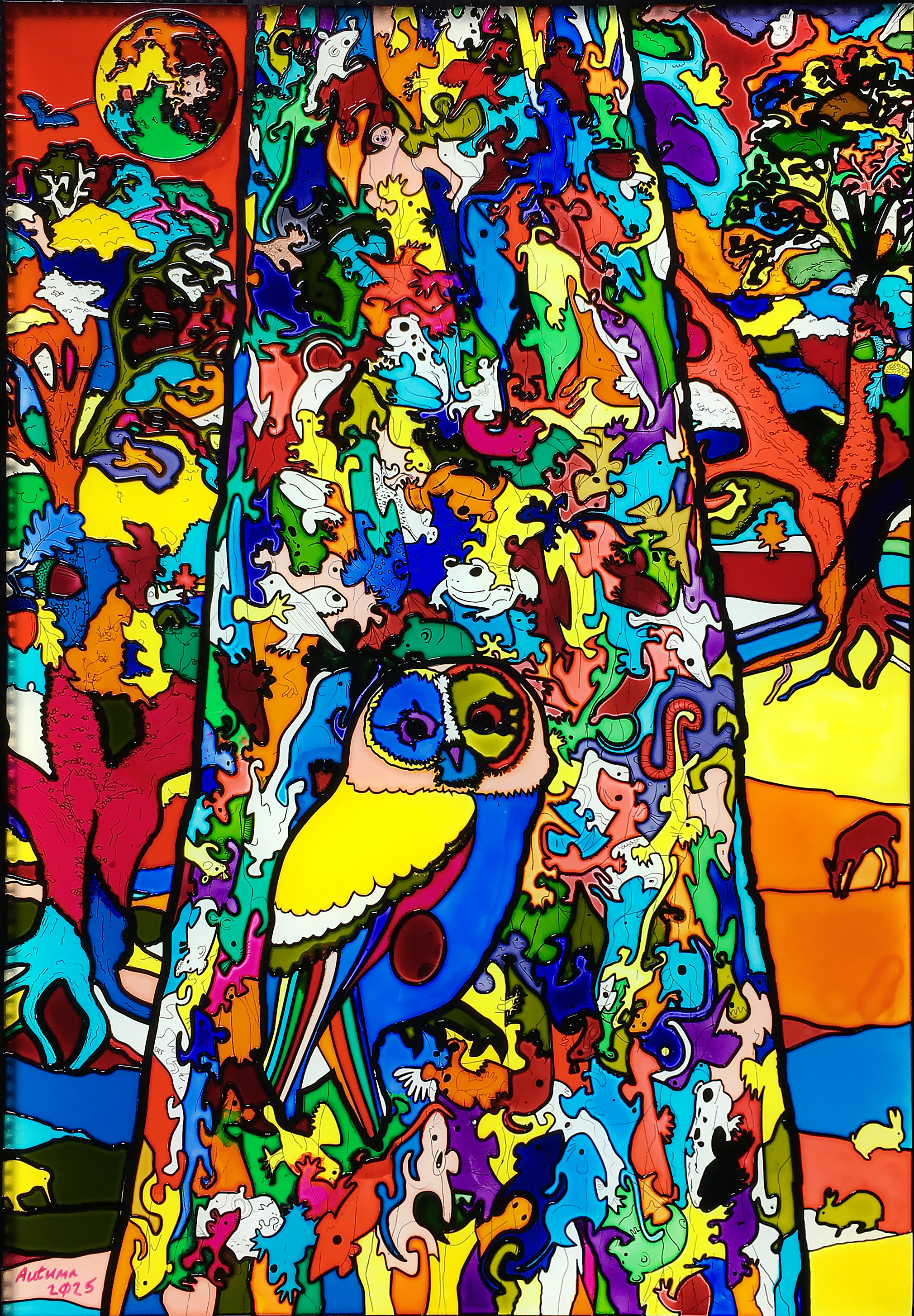
    Tawny Owl in Landscape (Predator and Prey) โ€œStained Glassโ€

    Title: โ€œTawny Owl in Landscape (Predator and Prey) (floral map)โ€
    Artist: Michael Autumn
    Medium: Resinous glass paints on faux leaded (composite plastic) clear cast acrylic sheet
    Size: 60cm (W) x 85cm (H)
    Edition: Original
    Authenticity: Hand-signed (bottom, far left) with purple glass paint on light pink painted cloisonnรฉ cell.
    Date: 02/2025


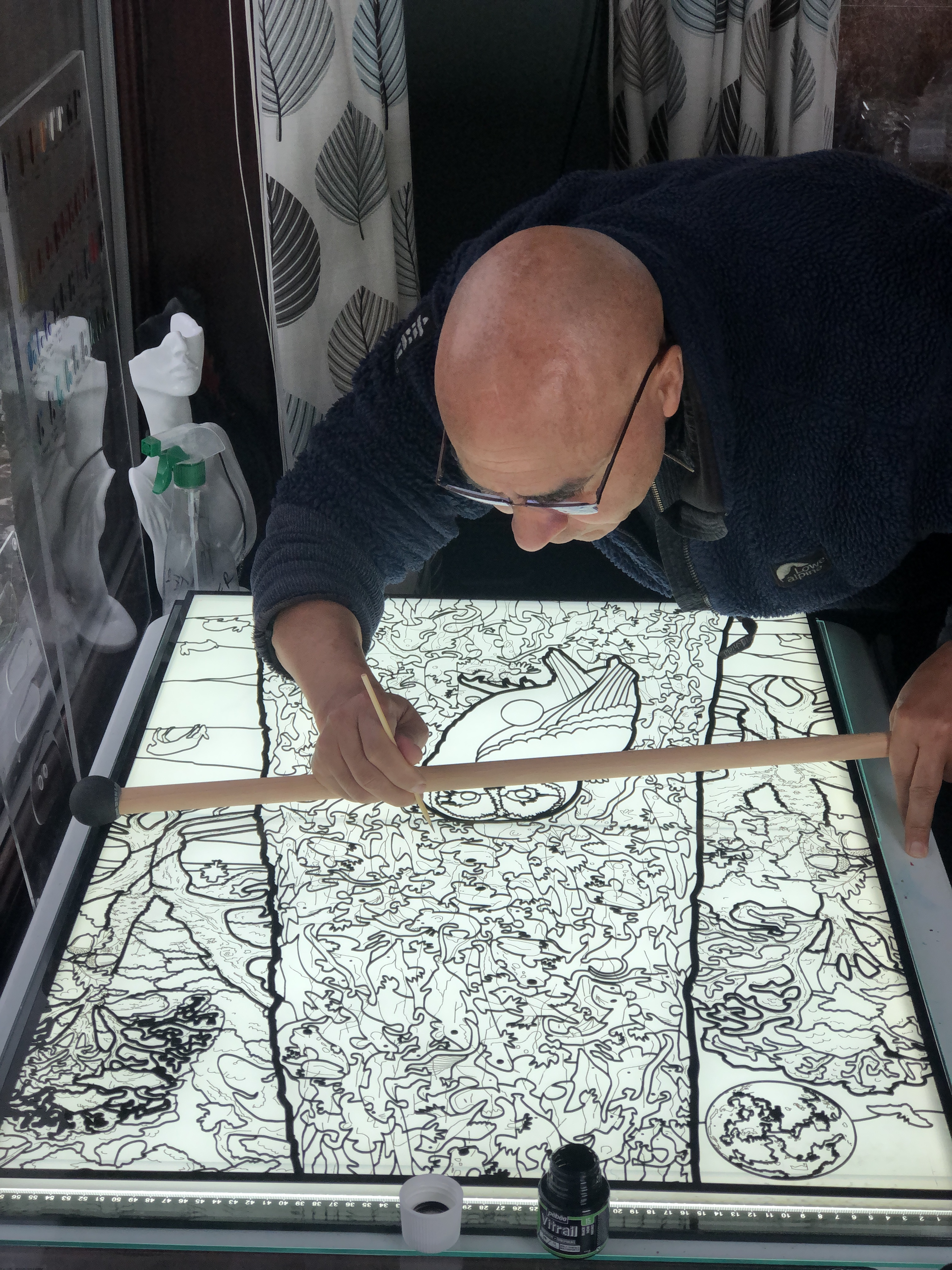
    Michael Autumn drawing and painting black detail lines and spots amid the laser cut black composite plastic faux leading.

    TL;DR

    Not tied to any particular medium or technique, I have tried to devise a way of achieving a stained-glass look with much more detail than is conventionally possible โ€“ using a clear acrylic sheet, laser-cut black composite โ€œleadingโ€ (aka โ€œcamesโ€ โ€“ the โ€œHโ€-shaped strips of lead holding the glass pieces together), and the coloured “glass pieces” are transparent resinous glass paint.

    The scene is a tawny owl in a โ€œtreeโ€, in a landscape with animals, trees, bats, and the moon in the background. The main foreground โ€œtreeโ€ trunk is actually made up of a variety of the owlโ€™s prey creatures โ€“ and asks the question: if these owls eat 2-6 of these animals every day, and they live up to 24 yearsโ€ฆ?

    The centre column (the main tree trunk) of this artwork comes directly from my original thick oak wooden art puzzle (see https://michaelautumn.wordpress.com/2023/05/03/tawny-owl-with-egg-art-puzzle/). That work is naturally quite dark and monochromatic because it is a nocturnal scene, and most of the prey animals (depicted in the main tree trunk) are also nocturnal, and therefore dark and dull coloured. So I thought it would be interesting to turn the idea upside-down and make it into a vibrant kaleidoscopic “stained-glass” landscape scene.

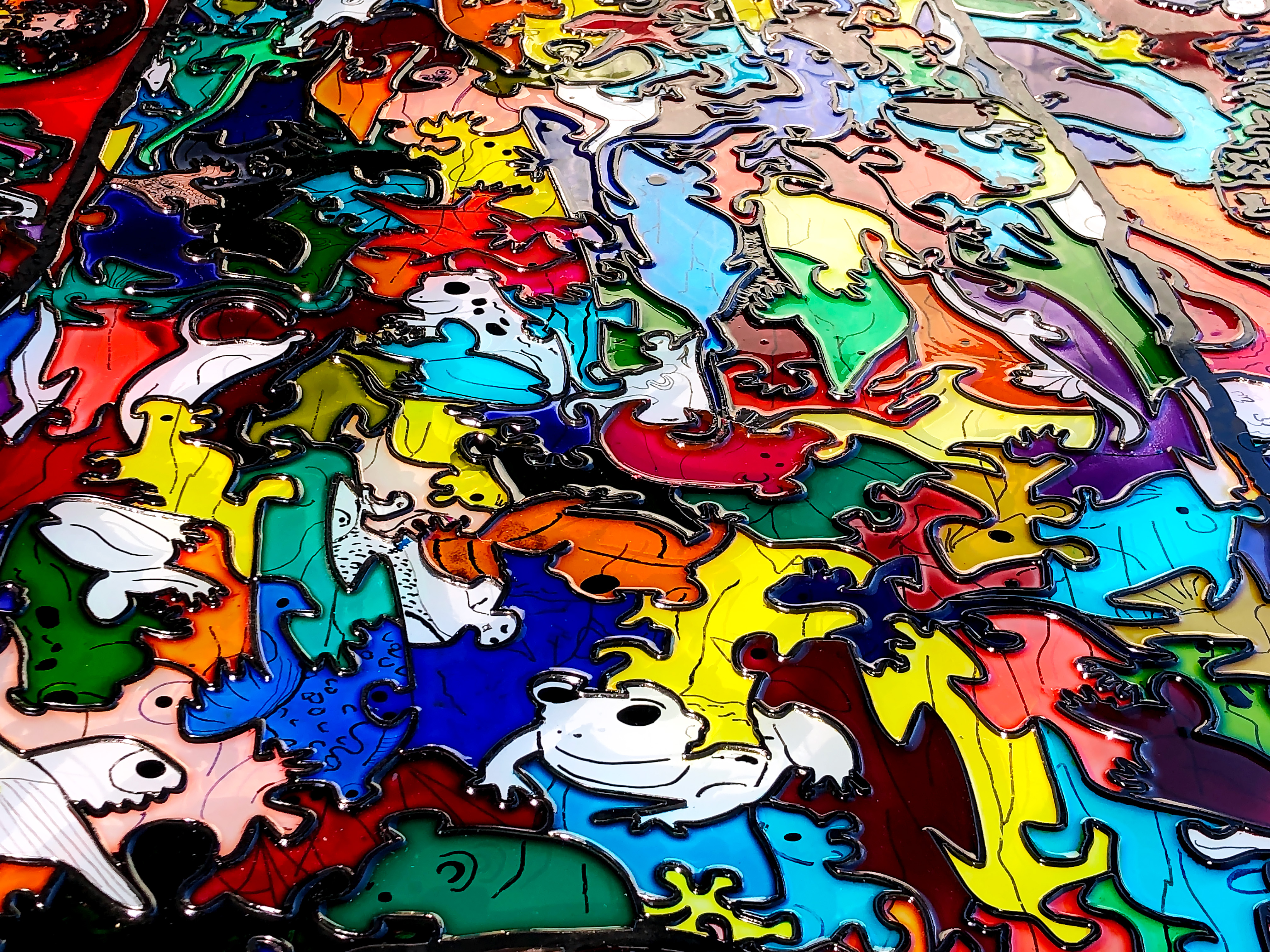
    This imaginary landscape faux stained-glass artwork is my attempt to overcome some of the limitations of conventional stained-glass techniques. Itโ€™s hand drawn and hand painted (using transparent resinous glass paints) on a 10mm thick clear 850mm x 600mm acrylic base. The faux leading (aka โ€œcamesโ€ โ€“ the โ€œHโ€-shaped strips of lead holding the glass pieces together) (of different widths) is my devising: its hand-drawn, laser cut, black composite โ€“ glued to the acrylic base. The coloured glass effect is achieved with transparent resinous glass paint lasgely poured into each cell โ€“ an effect very much like cloisonnรฉ stained-glass.

    Iโ€™m lucky to be a completely free artist – unaffiliated to any art movement, genre, or medium; and not tied to any particular materials, methods or techniques. My main interest is expressing my creativity and achieving my designs to the best of my ability โ€“ using any material/s or techniques I can think of to help me achieve my goals. I like exploring new materials, tools, and technologies: you might call me a tech geek. Iโ€™m very interested in pushing art forward โ€“ as opposed to continuing centuries-old traditions and techniques. In every historical medium I can think of, past masters in those mediums cannot be matched โ€“ let alone surpassed โ€“ and I think itโ€™s pointless to try. All artists can do what they like, but I am keen on creating new things. Iโ€™m very interested in trying new materials and tools that give new and/or greater creative possibilities. While I like the look of stained-glass, I find that the centuries-old tradition of cutting glass and fusing pieces side-by-side with lead โ€“ is too restrictive, time-consuming, and cumbersome. Through my own research and tests I realised itโ€™s possible to create the same look, but more easily and in much greater detail.

    In this artwork I have simulated the opaque dark lead cames look of stained-glass using laser cut black plastic composite. I developed this idea through research and testing, and my design fully exploits the much greater detail possible. My most intricate laser can cut thin material and can readily cut 1mm latticework. The thinnest commercially available lead cames I can find are between 3.5mm and  5mm… The majority of the faux cames in this artword are 1mm, the widest is 8mm. This means not only that far greater detail in the design are achievable, but also more light can come through the windowโ€ฆ

    Lead cames have the function of binding pieces of transparent glass side by side. But I am using coloured transparent resinous glass paint โ€“ so I donโ€™t need to bind pieces of glass together. Cames also have an aesthetic that I like that highlights shapes and colours. I use different widths giving me greater artistic freedom than with conventional cames.

    Finally, the whole piece is covered in a thin layer of clear resin to seal everything and provide extra protection. So the actual stained-glass piece is a thin layer sandwiched between a sheet of clear cast acrylic and a clear resin topcoat. The base, or rear, acrylic sheet also acts as natural UV protection โ€“ filtering out up to 99% UV radiation. And, since this is the side facing the sun/daylight, means it is in the best position to protect the sandwiched coloured layerโ€ฆ

    This is just the beginning of me trying this new techniqueโ€ฆ


  • New opportunities for my art with computer programming…

    Itโ€™s difficult sometimes to know what to include in an artistโ€™s diary. I keep my diary to the absolute minimum โ€“ not only because I simply donโ€™t have the time to jot down everything, but I have a high level of self-censorship. Some things are trivial, however, who knows what legacy I may leave (if any), and what are significant landmarks in an artistsโ€™ life that may be of historical and/or biographical interestโ€ฆ?

    This is not a posting about any specific piece of work, I just want to put an entry in the diary of recent achievements that will probably be the beginnings of a fruitful seam of creativity for me โ€“ after having recently solved a series of technical challenges (wearing my IT (computer programming) hat) that literally enable some creative ideas that would otherwise not be realisable…

    Iโ€™ve long been interested in depicting puzzling, ambiguous, dimorphous ideas in art – and have had many, and a growing number of, ideas mulling around in my head for several years โ€“ but with no satisfactory or acceptable way of representing them. So they have been on the backburner – waiting for solutionsโ€ฆ

    In parallel to this, for the last few years Iโ€™ve been exploring puzzles as a means artistic expression, and this has resulted in me spending hundreds of hours doing vector-based freehand drawings (using a graphics tablet). I have recently been doing some intricate image manipulations and transformations manually (with the creative software I use), and this gave me the idea of using these techniques for the aforementioned other art ideas. However, the problem is (was) that these techniques, if applied to the other ideas, would take prohibitively long. With my IT hat on, I wondered if there might be a way to program some, or all, of these laborious tasksโ€ฆ?

    The great thing about computer programming is that once you solve a problem, itโ€™s a trivial matter to scale it up. For example, if you get a computer program to draw a grid of rectangles โ€“ letโ€™s say 5 by 7 โ€“ then itโ€™s a trivial matter to get it to do any number of rectangles โ€“ e.g. 500 x 700, 5,000,000 x 7,000,000 โ€“ or any number you choose. Also, the repeatability of any solved task opens up enormous opportunities โ€“ including testing, simulations, daisy-chaining tasks, etcโ€ฆ

    Iโ€™ve never mixed proper art with computer programming before. I have designed and developed an art program for others to create digital art, but Iโ€™ve never used computer programming to create, or help create, art. However, a few weeks ago I thought it could be a very worthwhile investment of my time to see if I could automate some tasks which would otherwise be too laborious to be conscionableโ€ฆ

    So I looked at the following :-

    • Generate a vector puzzle of any size (these are freely available online)
    • Break a bitmap image into any vector puzzle
    • Make jigsaw puzzle tiles of any colour โ€“ particularly random colours from a given palette
    • Break a given percentage of a bitmap image into puzzle pieces. Set these pieces to a given colour or a random selection of colours from a given palette
    • Interleave the puzzle pieces of two (or more) images
    • Allow the masking (in or out) of any of the above
    • Allow the manual manipulation of any of the above โ€“ i.e. everything should be manually changeable

    The handful of solutions (the above tasks are very different – and each require a different solution) I have recently come up with collectively give me what I would describe as a new visual grammar with which to express โ€“ or depict – a number of visual ideas โ€“ including all the ones I have been struggling with prior to this pointโ€ฆ Watch this spaceโ€ฆ

    March 2024

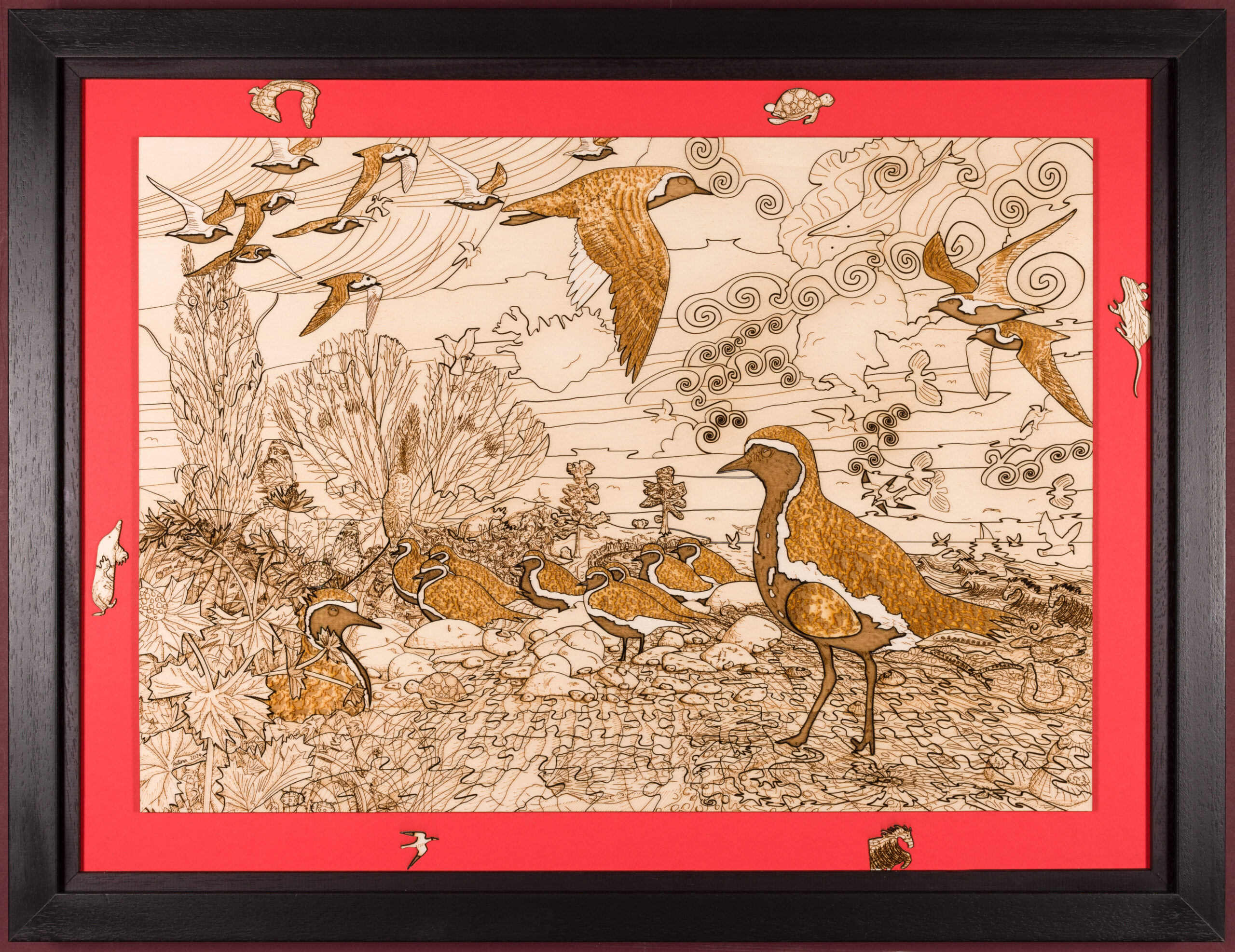
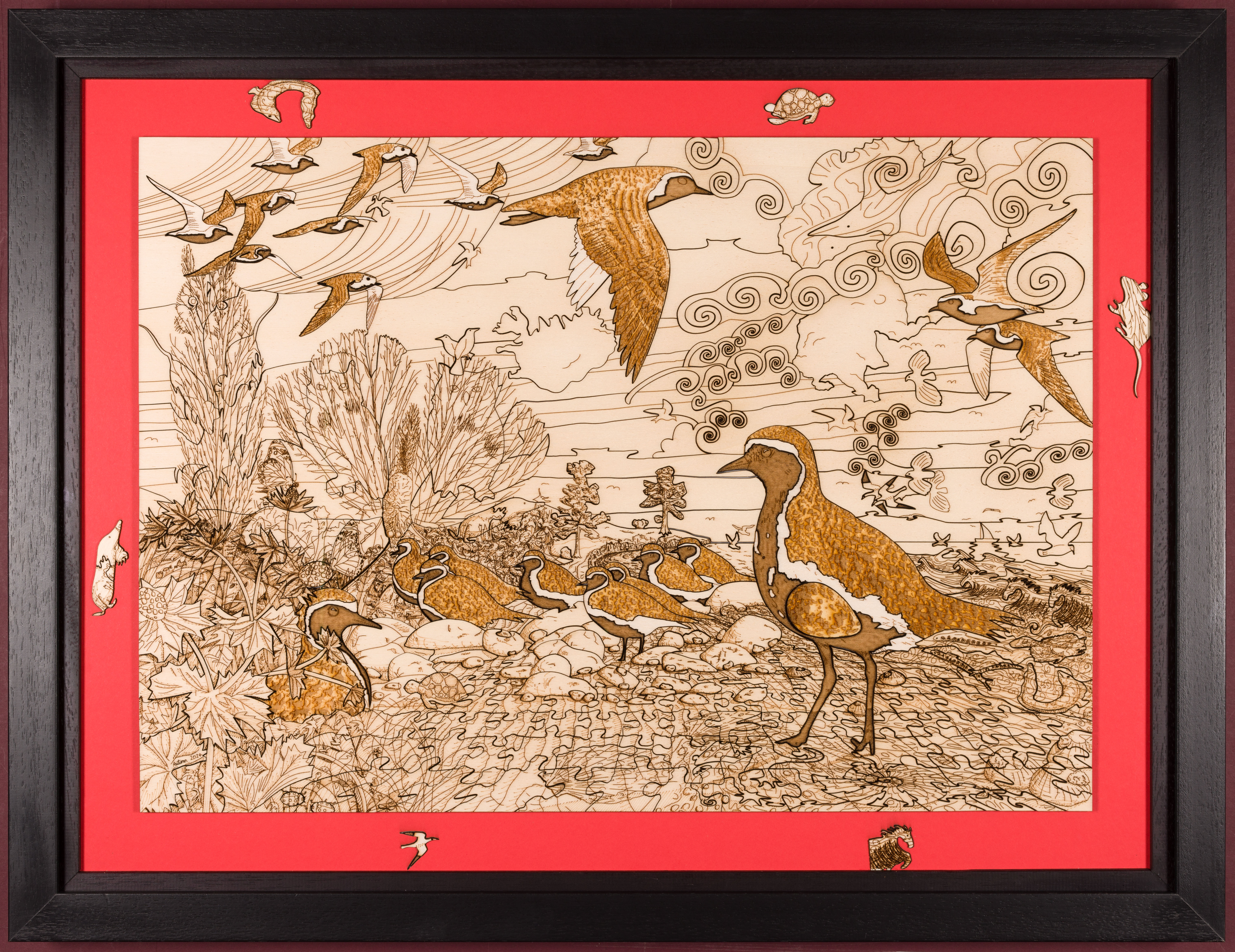
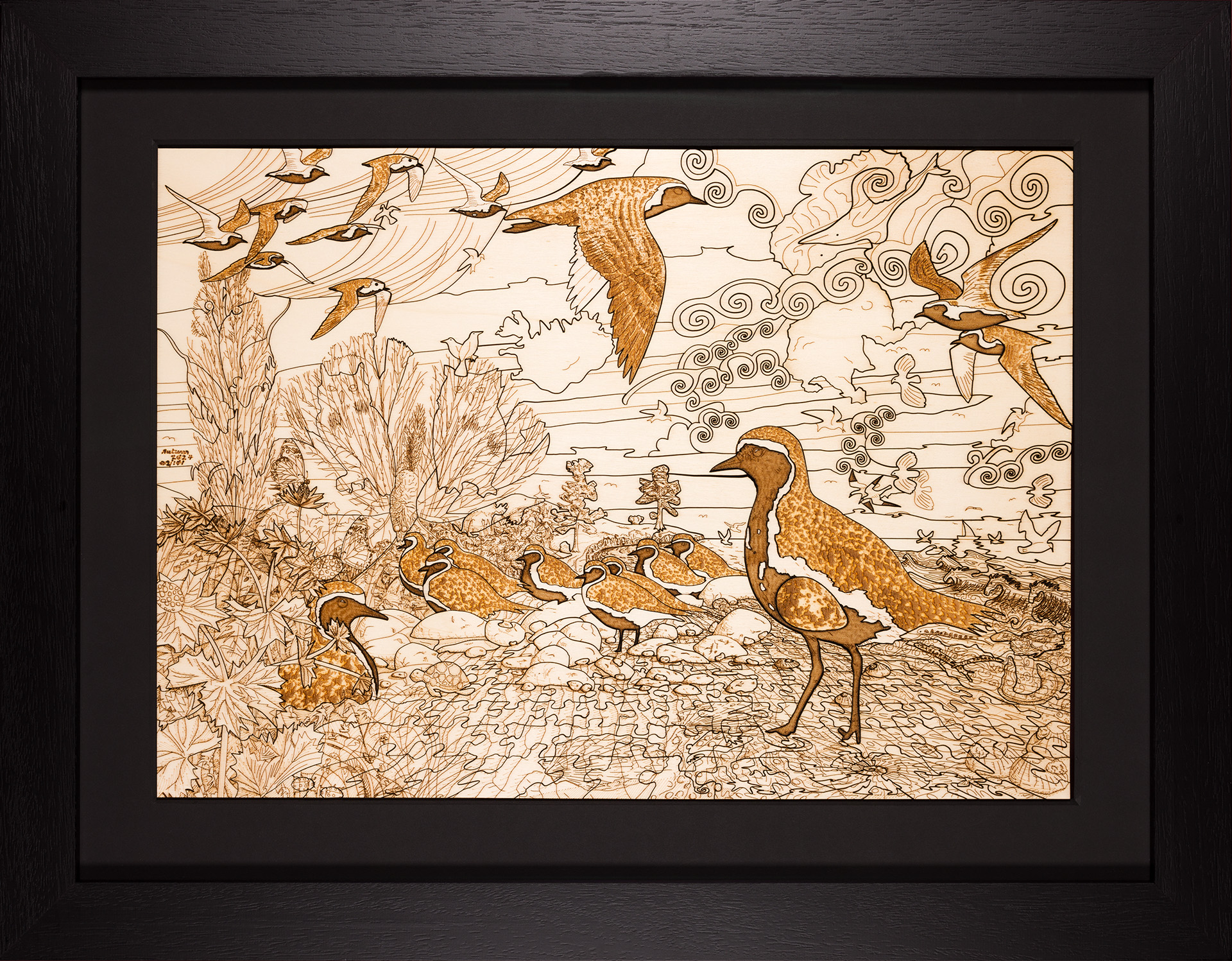
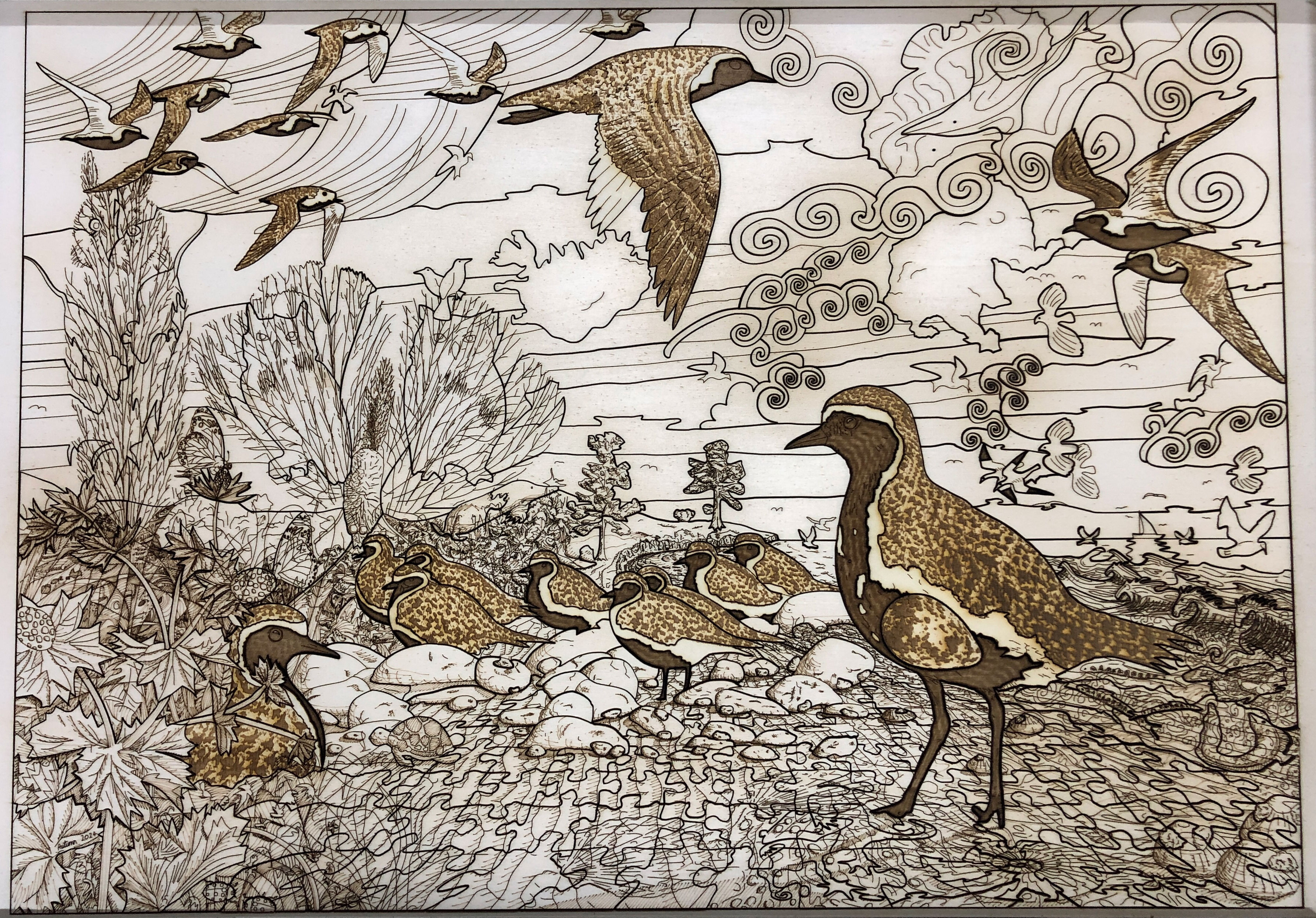
  • Golden Plover with Egg (Art Puzzle) – Laser

    Golden Plover with Egg (Art Puzzle) – Laser

    Title: โ€œGolden Plover with Egg (Art Puzzle) – Laserโ€
    Artist: Michael Autumn
    Medium: Hand-drawing – laser cut & engraved
    Giclรฉe archival laser cut & engraved on premium 6mm AB/AB Italian Panguaneta Poplar plywood (produced responsibly, sustainably, and to the highest of standards), child-safe, moisture-repelling, varnish
    Size: 39.0cm (W) x 55.1cm (H), framed 53.2cm x 69.5cm
    Edition: Limited Edition of 101 – individually signed and numbered, and museum-level (FATG Level 1) :-archival and bespoke framed; and Unlimited Edition, lasered signature, unframed.
    Date: 02/2024
    Options: Available as a puzzle (338 unique pieces actually cut) OR left as a single engraved wooden panel.
    N.B.: The cut-outs in the frame above are to draw attention to the fact that the artwork is a wooden puzzle. – otherwise it could be mistaken for a simple drawing…

    This is the framed limited edition version (museum grade – FATG Level 1) :-

    Framed limited edition

    The art of simply burning wood with light

    This is an attempt to create high quality art using the medium of simply burning wood with light – and nothing else. From the concept of a magnifying glass burning paper, technology has progressed enormously to the modern day laser – where a beam of light can be very finely controlled in terms of intensity and speed of movement. Where sophisticated software can very precisely translate vector- and pixel-based drawings into computer-controlled movement of a laserbeam over your chosen material. But there is a real art to doing this successfully…

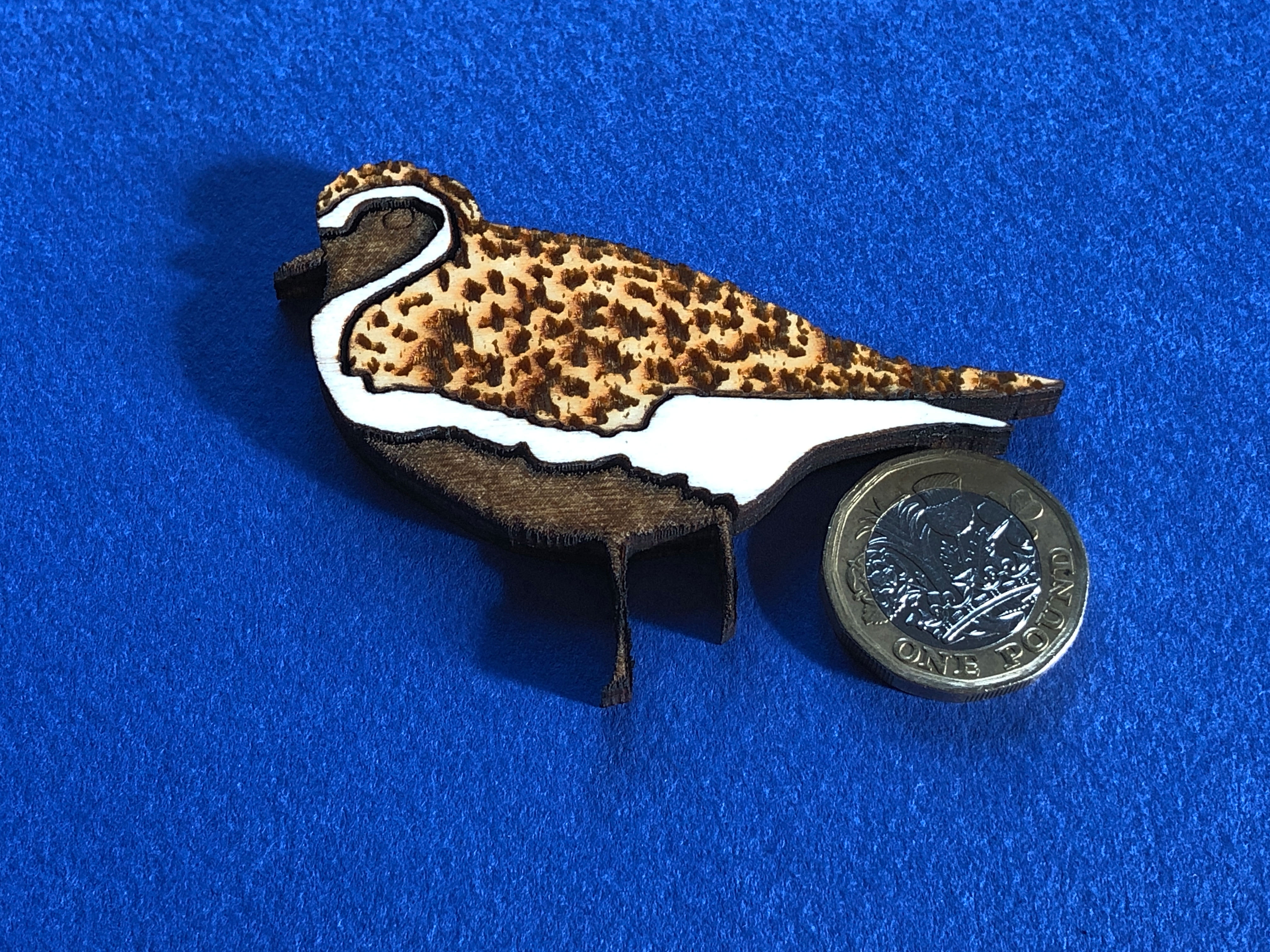
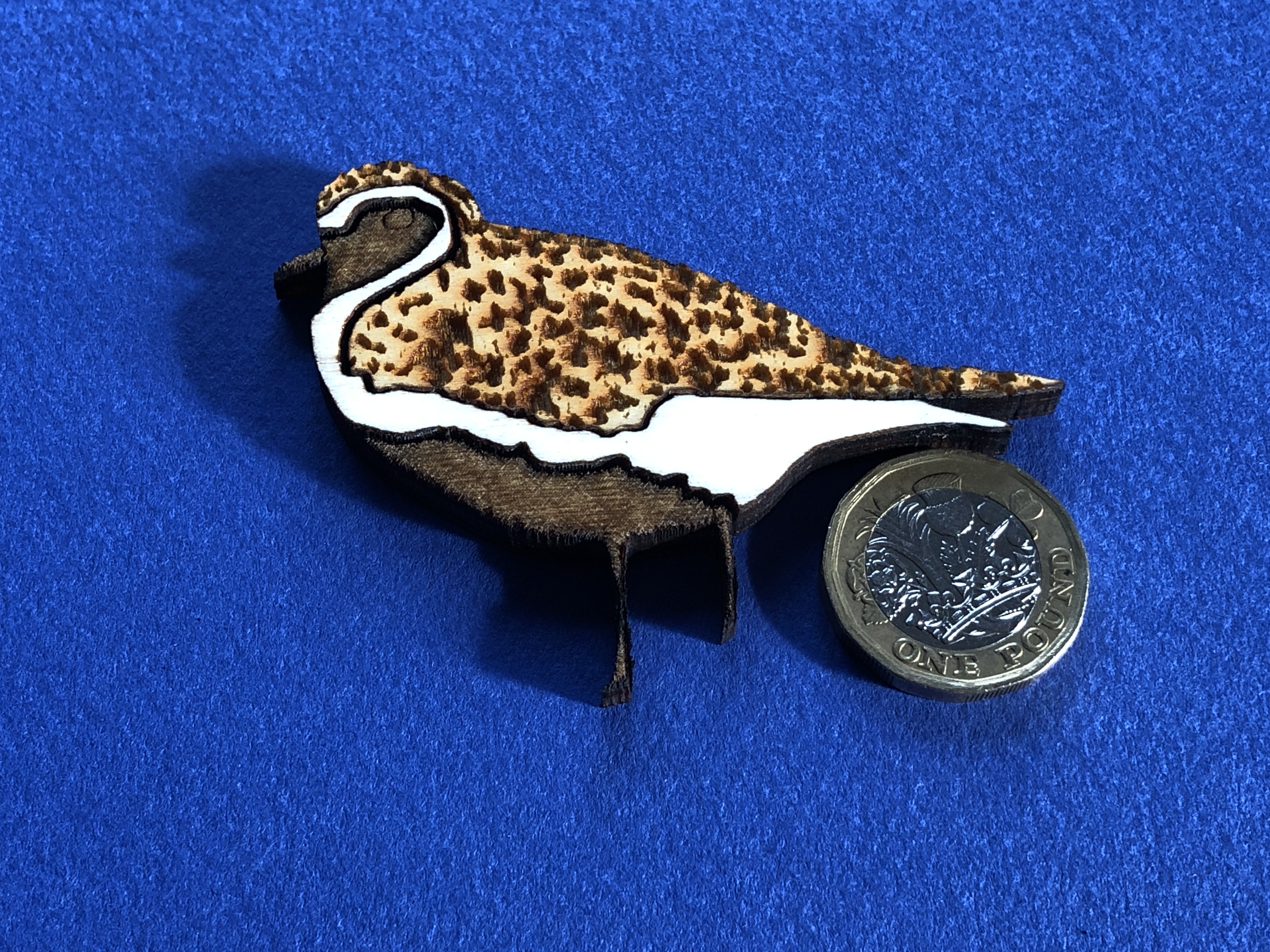
    I was hoping to create a mass-produceable wooden laser cut & engraved version of my 40mm thick solid oak โ€œGolden Plover with Egg (Art Puzzle)โ€

    Golden Plover with Egg (Art Puzzle)

    (see https://michaelautumn.wordpress.com/2020/07/30/golden-plover-with-egg-jigsaw-puzzle/) because hand-cutting the latter took far too long and caused serious RSI and/or rheumatoid arthritis in my hands/fingers. But in order to achieve the quality I wanted, it turns out (after considerable effort!) that mass-production is simply not possible. It has been a long journey to get to a standard Iโ€™m happy with. Along the road I have researched a great deal about materials, wood, lasers (obviously! โ€“ but this is a big topicโ€ฆ), and lasering techniques. I have developed some of my own techniques and built some special tools because there were clear limitations in the best techniques, tools, and materials available. Suffice to say, I havenโ€™t come across any individual or company who can produce my designs to the quality I do. But it comes at a significant cost. I can only produce one per day โ€“ so in any definition of the phrase mass production, this definitely is not!

    Putting aside the weeks it took me to complete the design (in addition to the weeks it took me to design the original, I spent about another four weeks enhancing it to take advantage of laser capabilities) โ€“ and may trials, adjustments, custom tooling, and more trialsโ€ฆ

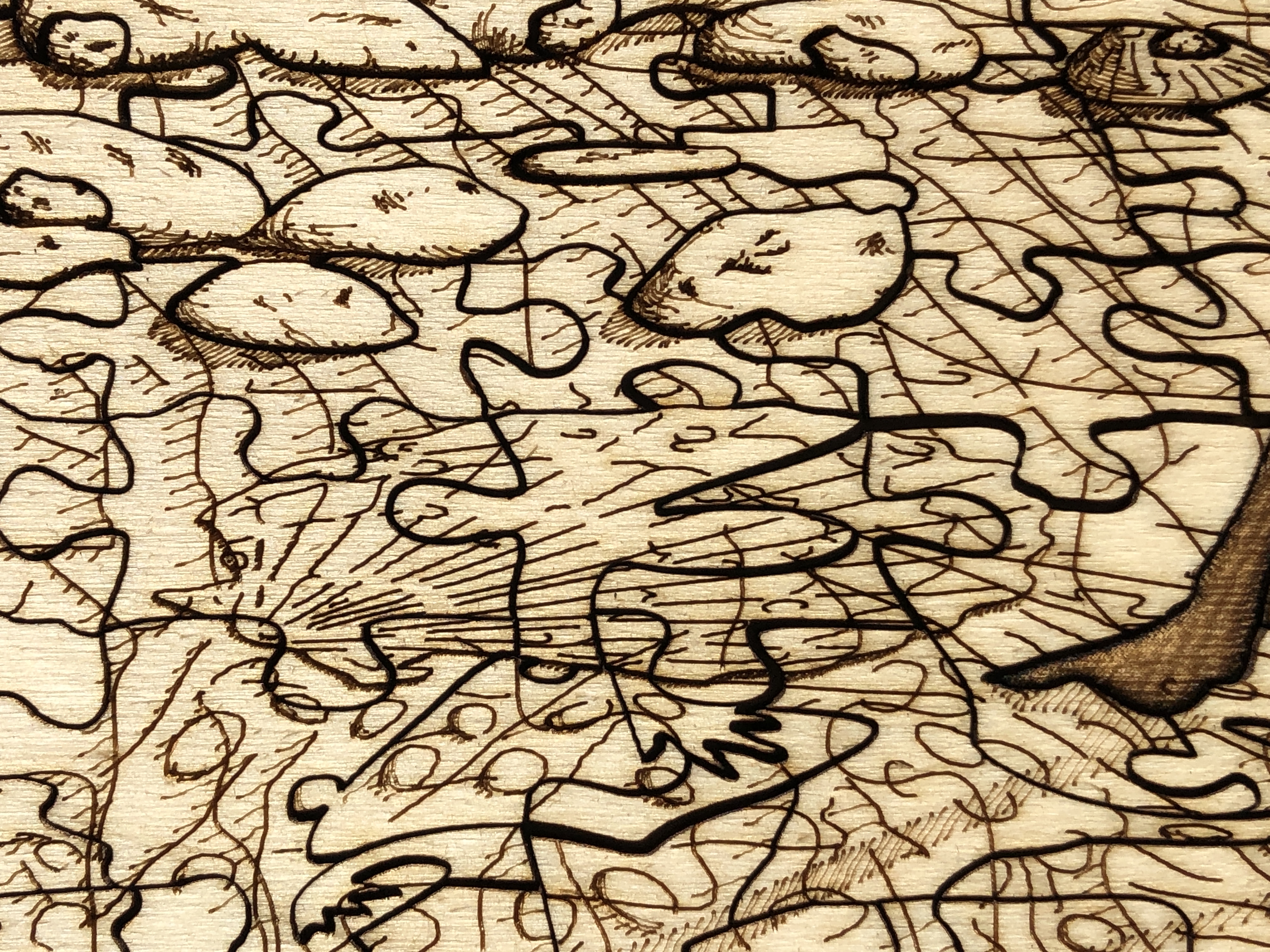
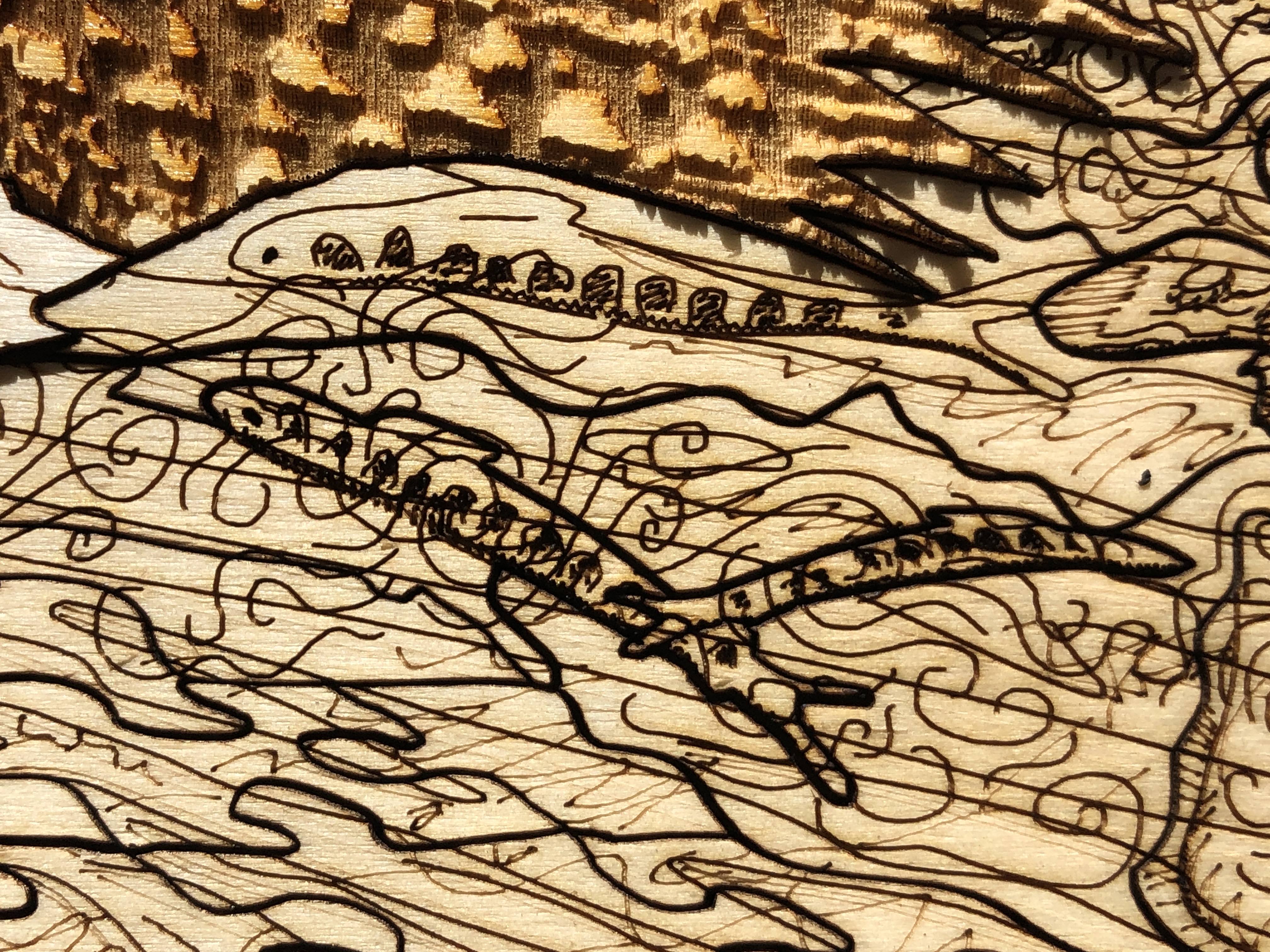
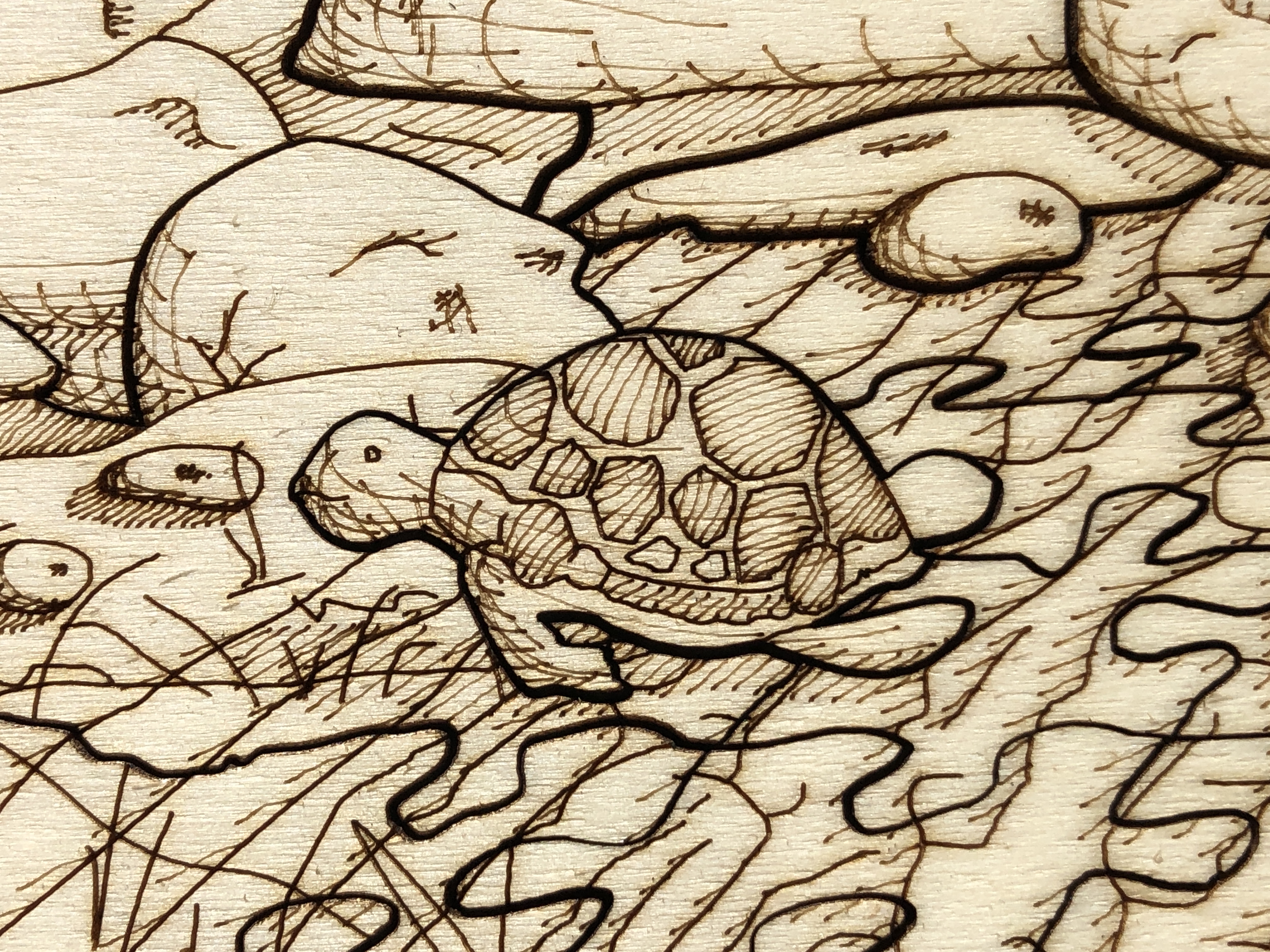
    The design uses multiple lasering and layering techniques โ€“ cut-throughs, scoring, light scoring, engraving, deep engraving โ€“ which all have to be done in a specific sequence. For example, in places in the design, I have score marks on top of some deep engraved areas โ€“ so obviously the deep engraving has to be done before the scoring.


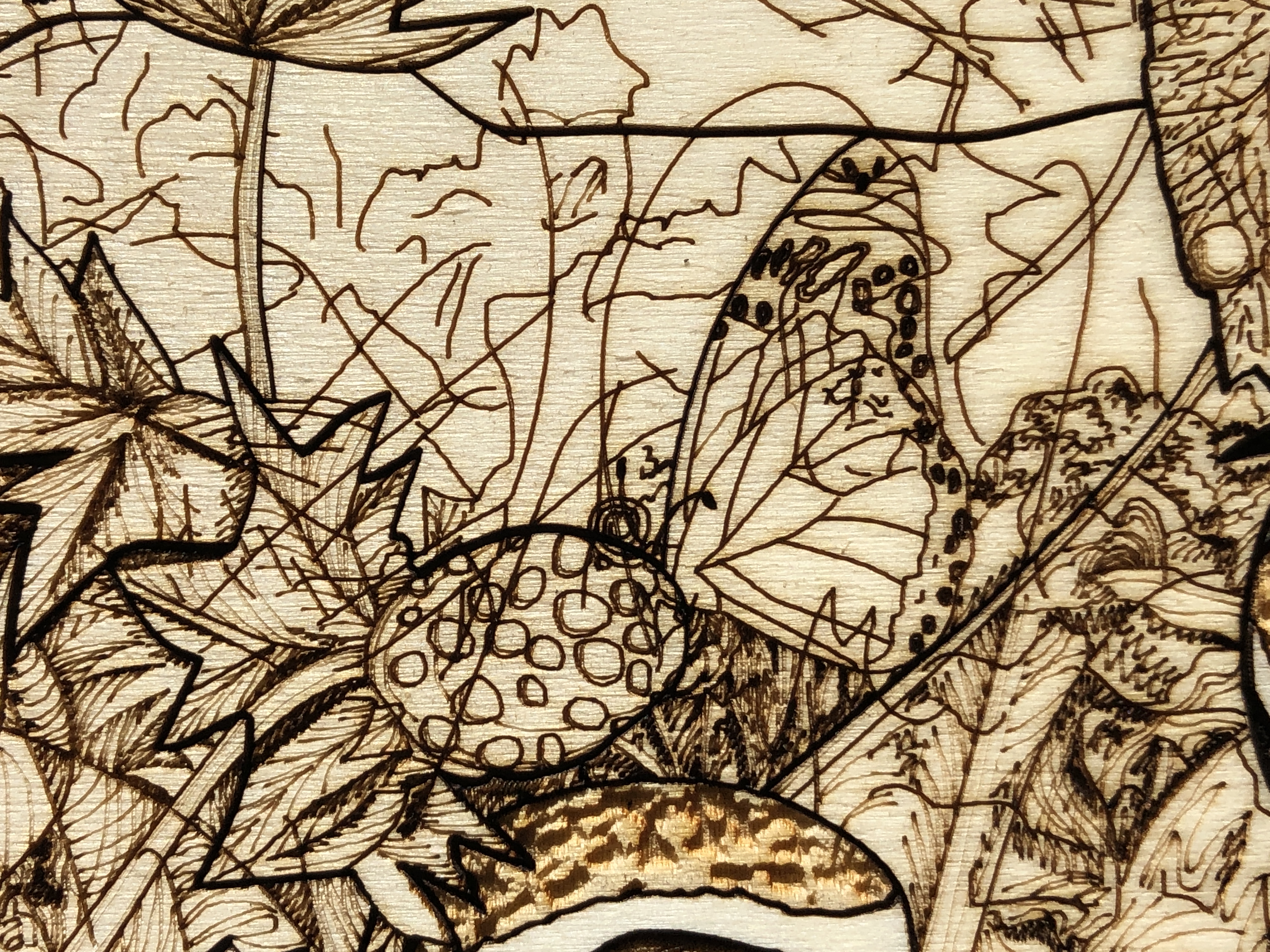
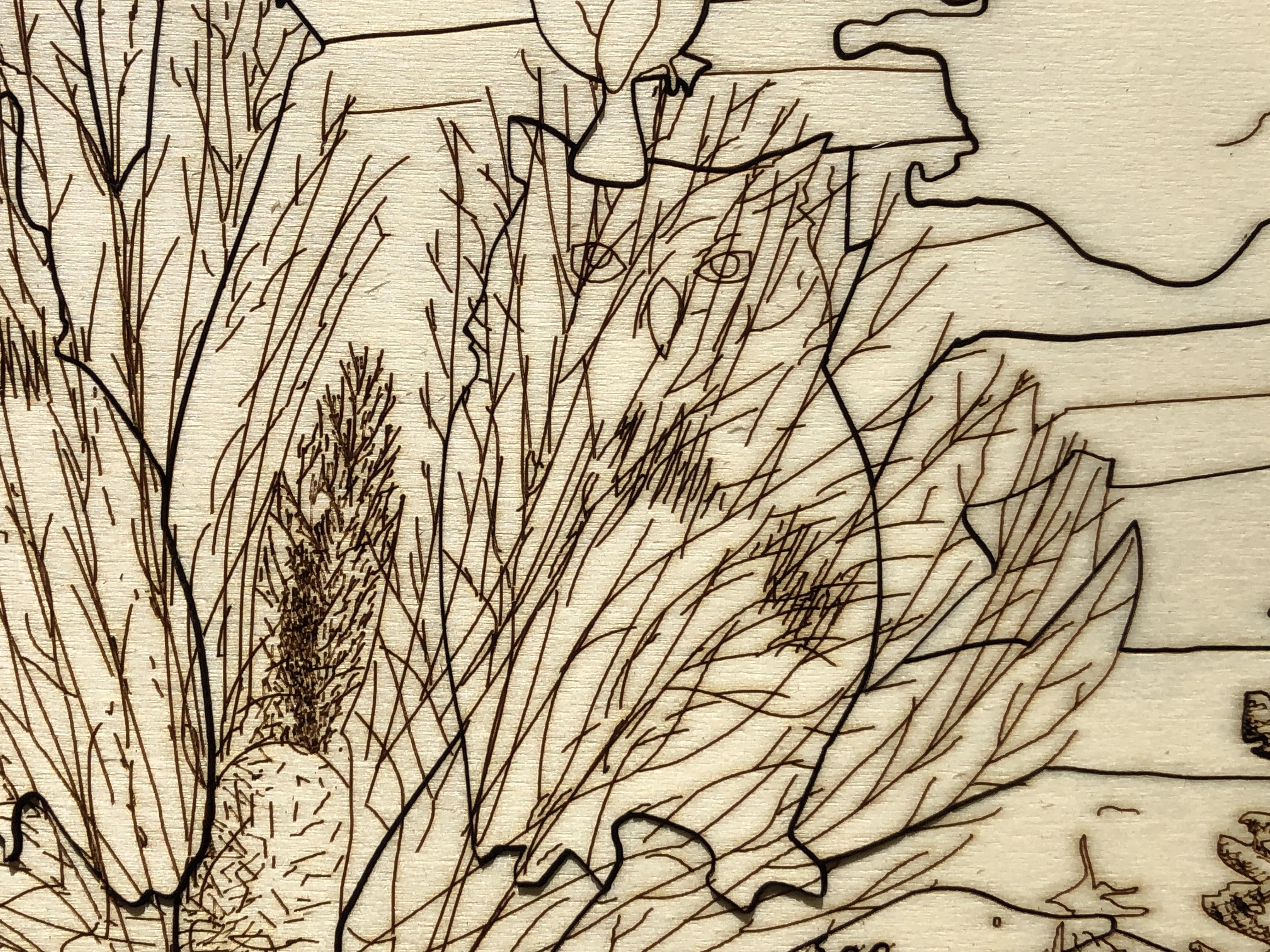
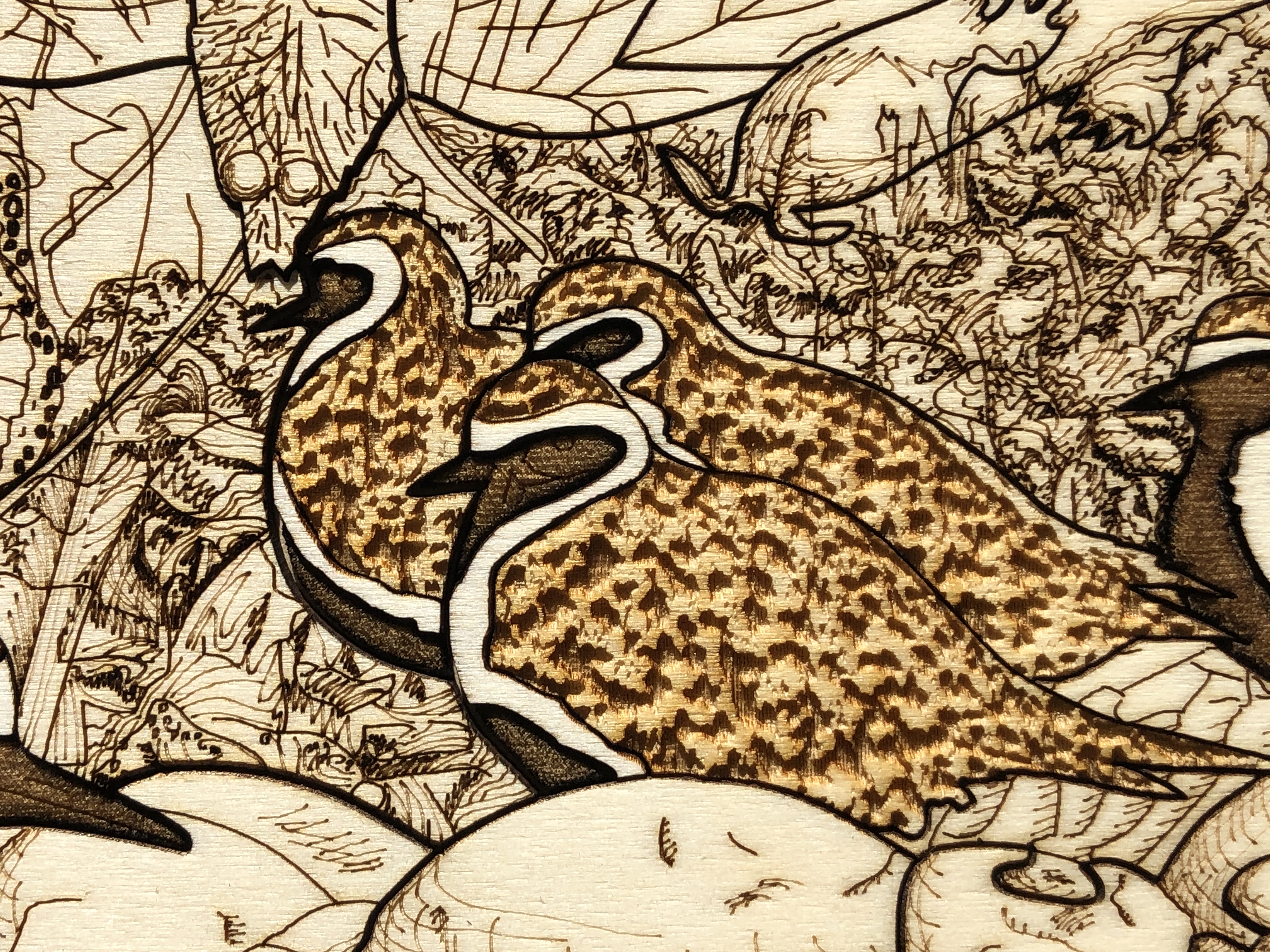
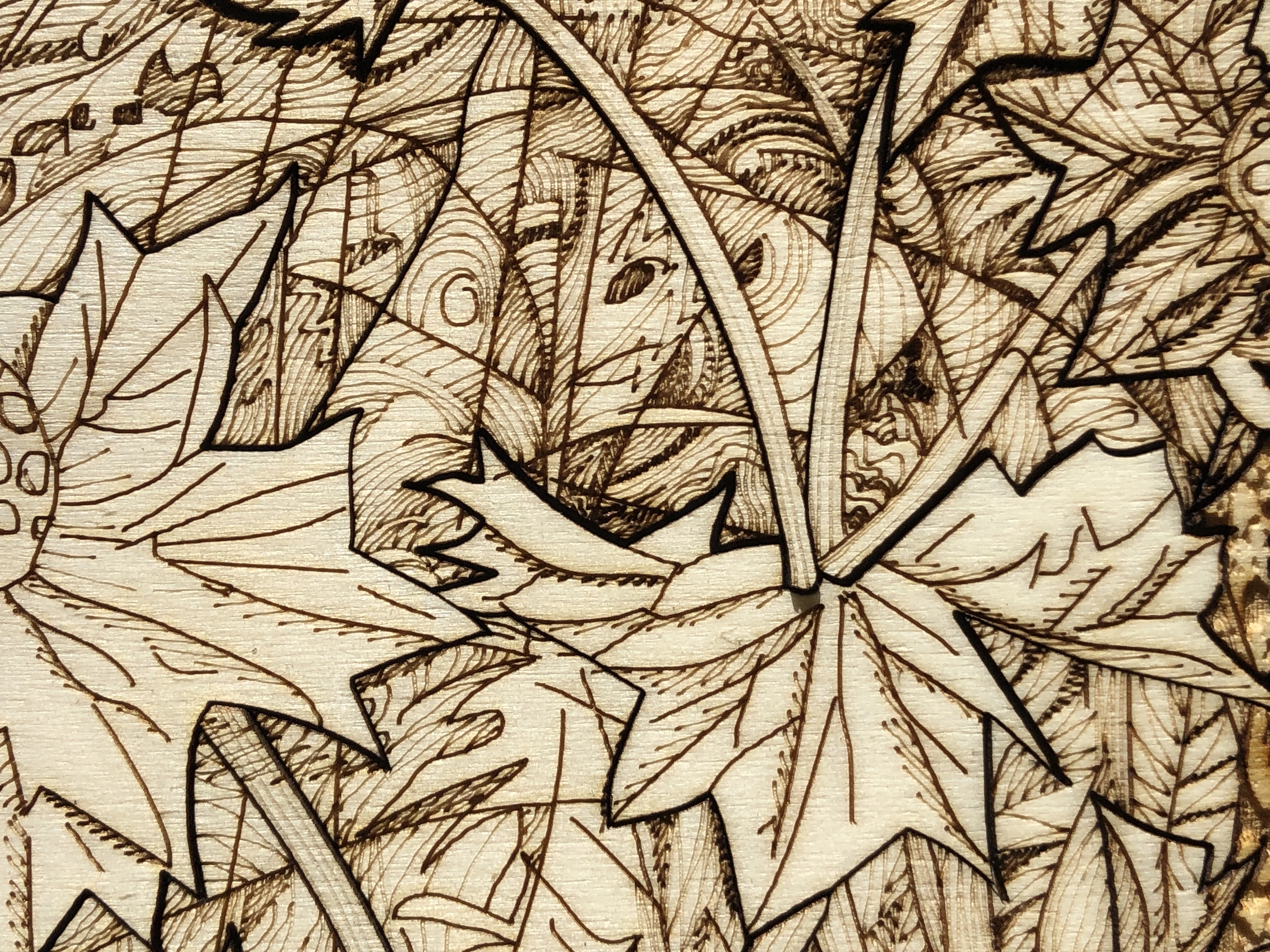
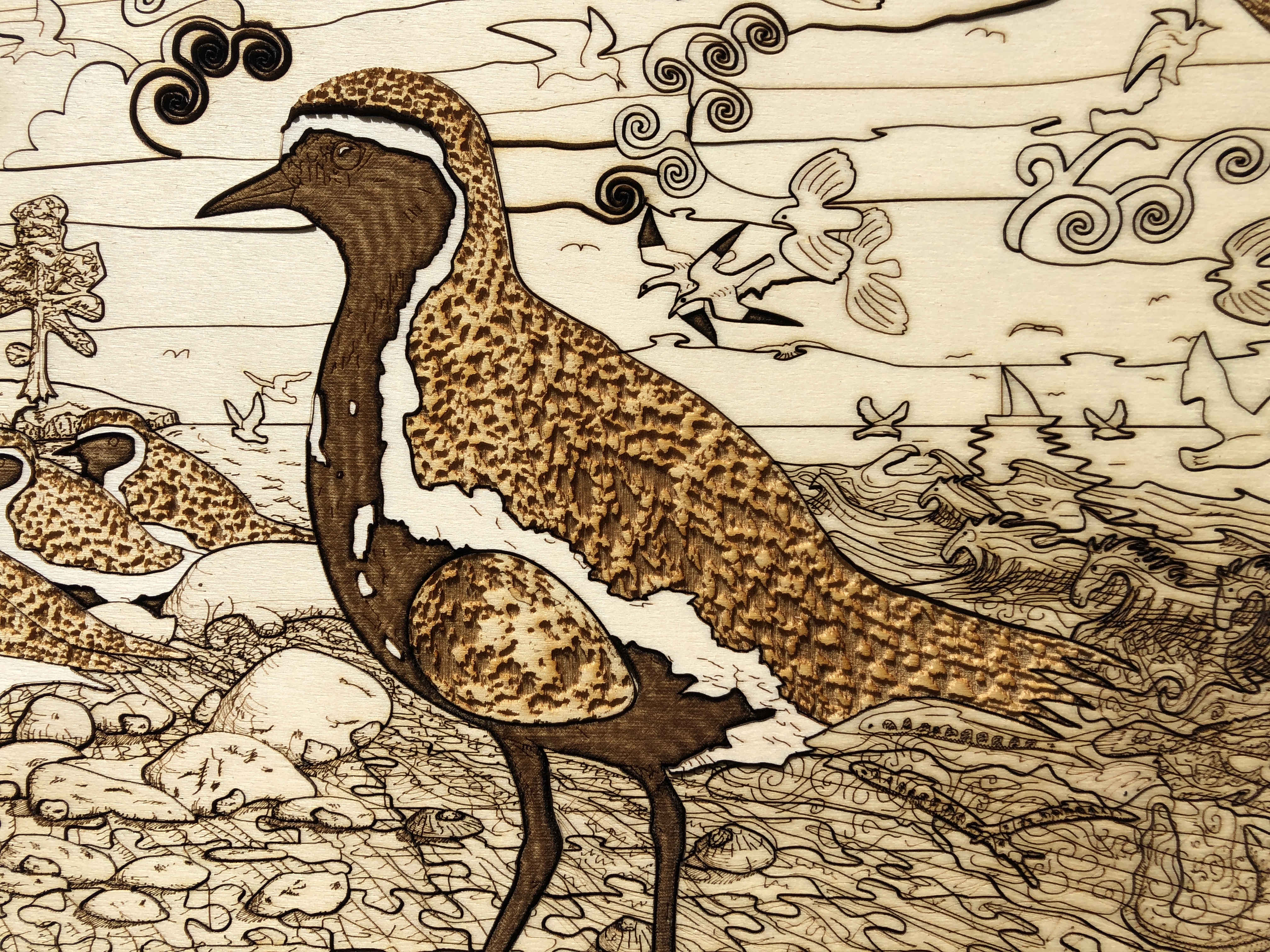
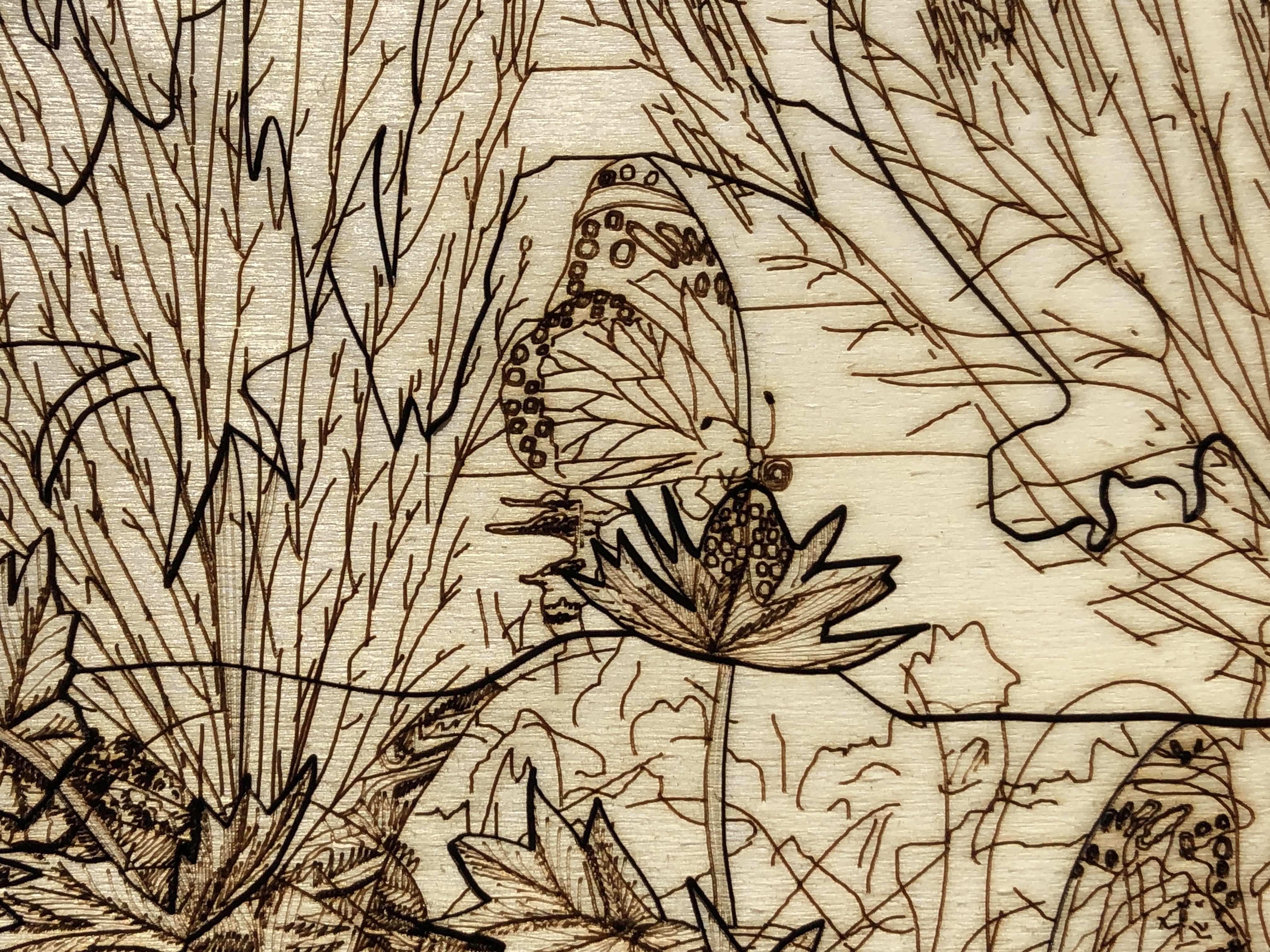
    Detail showing a mix of cut lines, scoring, light scoring, and different types of engraving.

    Also, I use the flattest, smoothest, least porous, best quality plywood I can (and do special preparations to achieve this โ€“ see below) โ€“ so I can achieve the subtle effects Iโ€™m looking for with the minimum of laser power (basically more power equals less precision).

    In this artwork I particularly wanted to reproduce, using light-burning alone, what is for me the three important colours of the golden plover in its magnificent summer plumage: the white fringe to their mainly black bellies, and especially the golden tones of their back โ€“ from where they get their name. So what is white in terms of lasering wood? Itโ€™s the absence of any burning and scorch marks on very pale, smooth, wood. But the crux of the matter is avoiding getting any discolouration/contamination in these areas โ€“ especially as they are sandwiched between very dark areas. Itโ€™s very hard to control smoke and scorch marks with lasers. Itโ€™s like the challenge of white in watercolour painting โ€“ where the white areas are usually the colour of the paper itself, the absence of paint โ€“ and in detailed areas masking is often used to exclude surrounding colour seeping into where it is not wanted.

    These are the steps :-

    1. Spray water on the raw plywood panels to raise the grain, let them dry.
    2. Very fine (400 grit) orbit sand the dry plywood, wipe clean.


    3. The plywood panels are then varnished and left to dry for up to three days (depending on time of year โ€“ humidity and temperature). This is to minimise the effects of laser burning and makes it easier to clean specific areas afterwards (see step 8).


    4. The plywood panels are then flattened in a special press for several days.


    5. A single plywood sheet is put in a custom-made flat panel laser bed holder (I designed).
    6. The lasering itself takes a little over five hours on my 130W CO2 laser (for a single artwork). I do it in two steps because I find the results are better. Clean the “white” engraved areas (which I want as pale as possible) after engraving the “golden” areas – and before doing the black areas, scoring, and cuts.

      Step 1 – the “golden” areas. The following two images show the “golden” engraved areas before and after cleaning :-


      Step 2 – the black engraving, scoring, and cuts.
    7. After lasering, I do a detailed quality check. Wood, being organic with glued layers, varies from sheet to sheet – and some lasered artwork doesnโ€™t make the grade โ€“ or needs fixing in some way.
    8. Then very carefully lighten the brightest/whitest, most important areas (that have been darkened by smoke) with cotton swabs and a mild acid โ€“ to make them stand out better. This seems very much like an art-restoration process โ€“ like removing the old varnish from an old masterpiece – to restore the original colours! (But I only do certain areas to make them stand out โ€“ not the whole thing.) This takes me about an hour and a half. The difference is subtle, but vital to me. It is the difference between a mechanically produced piece of art and a true piece of art Iโ€™m happy with.


      The following two images show before and after selected cleaning (notice how the white margins of the golden plovers stand out better after this second cleaning) :-


    9. The artwork then gets a final varnishing and left to dry for up to three days. This is especially important to protect the newly exposed wood surfaces.
    10. I use pyrography to number each piece in the limited edition.


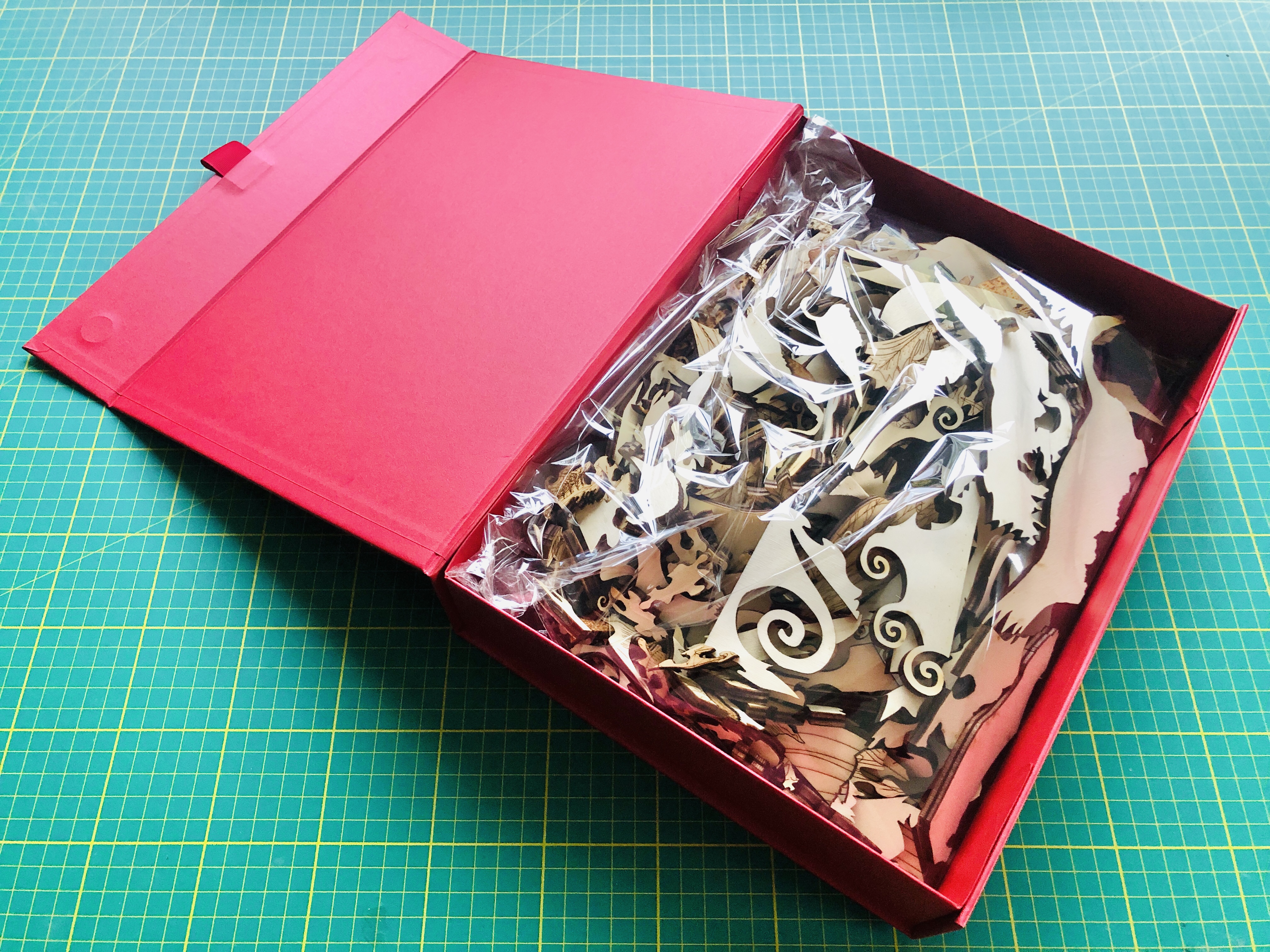
    11. The special display mounts โ€“ with a selection of pieces cut of in order to highlight the work is in fact a puzzle โ€“ and not simply a drawing – are individually laser cut out of high quality mount board. This takes my precision laser about 40 minutes.


    12. Finally I frame the artwork to using museum materials and techniques. I use anti-reflective, 99% UV filtering, ultra clear museum-grade glass to provide maximum protection to the piece.

    I think the final work shows that lasers can be used to make real art โ€“ and are capable of very fine control โ€“ as much as lithographic printing, silk-screen printing, wood-block printing, lino-printing. Like any tool, the best results come with experience, knowledge, perseverance, patience, and finding ways around the natural limitations of the medium…

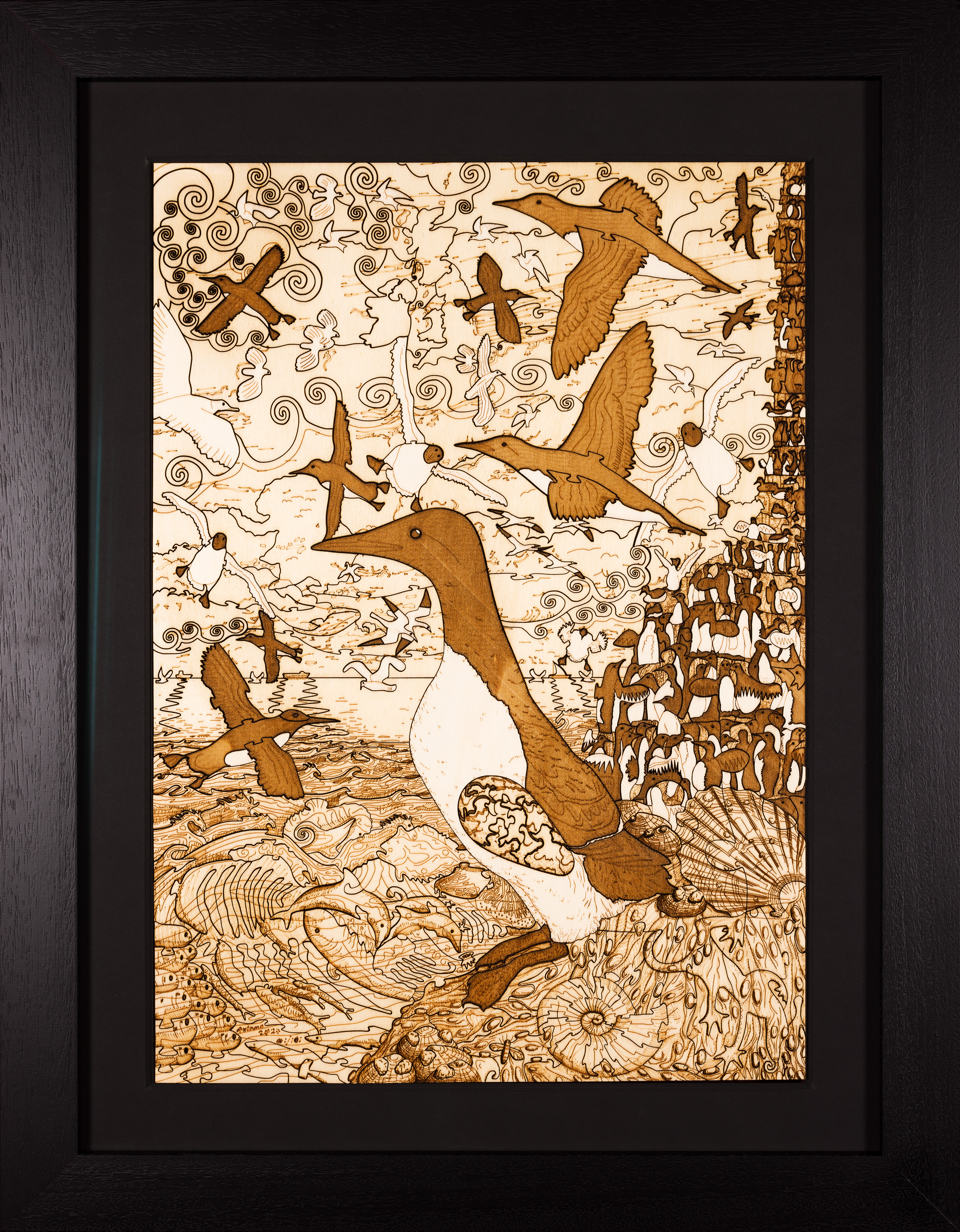
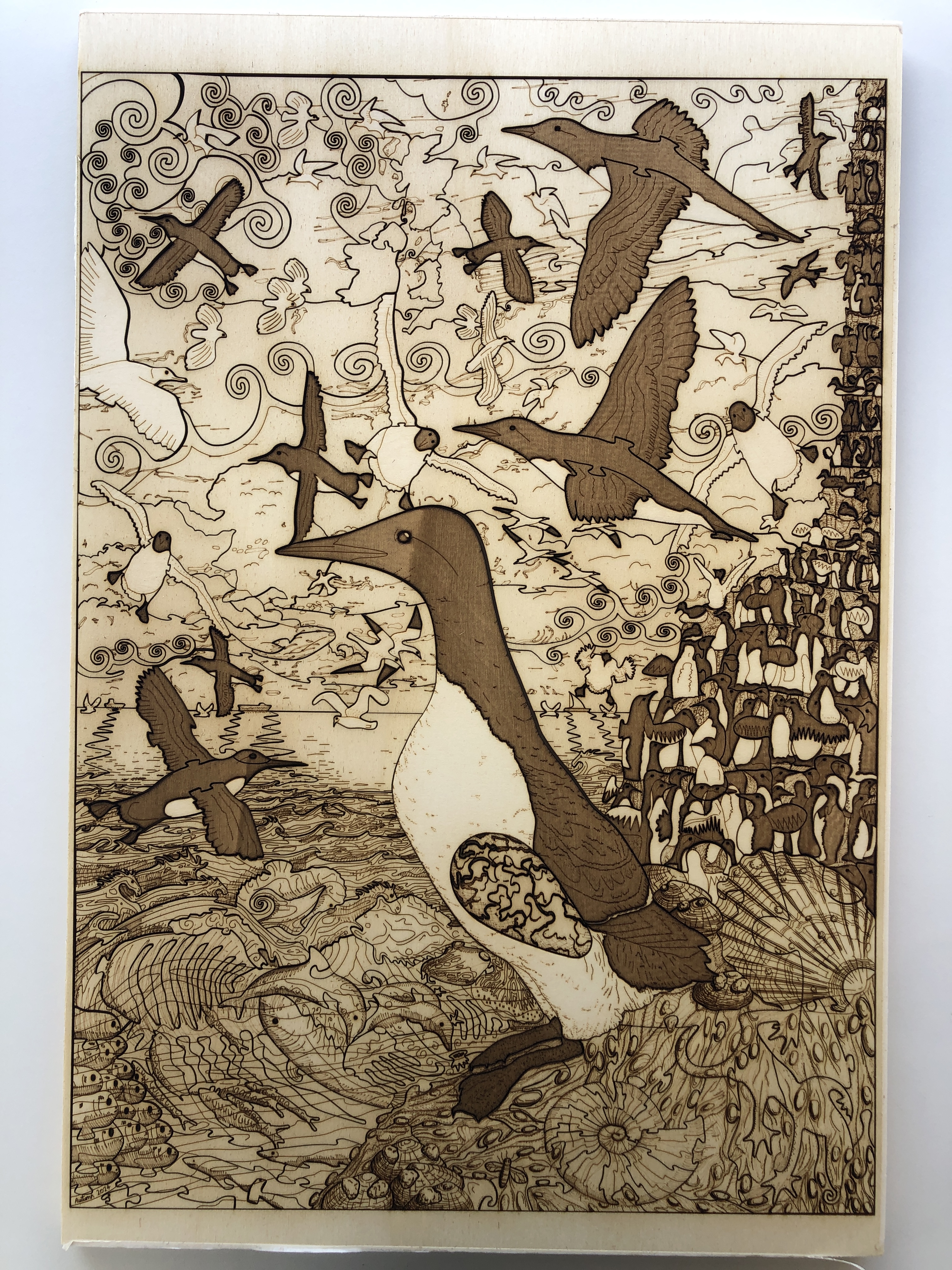
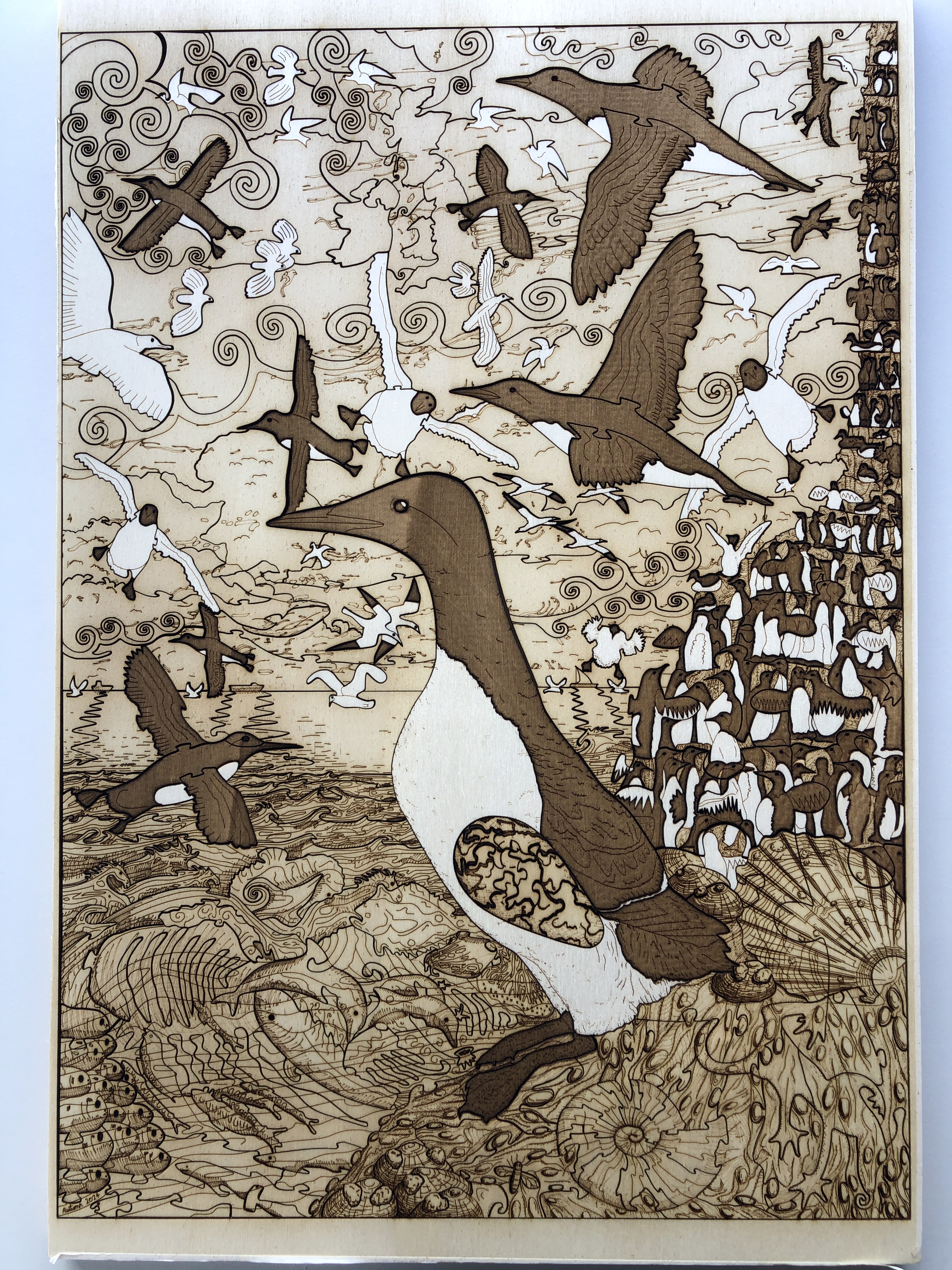
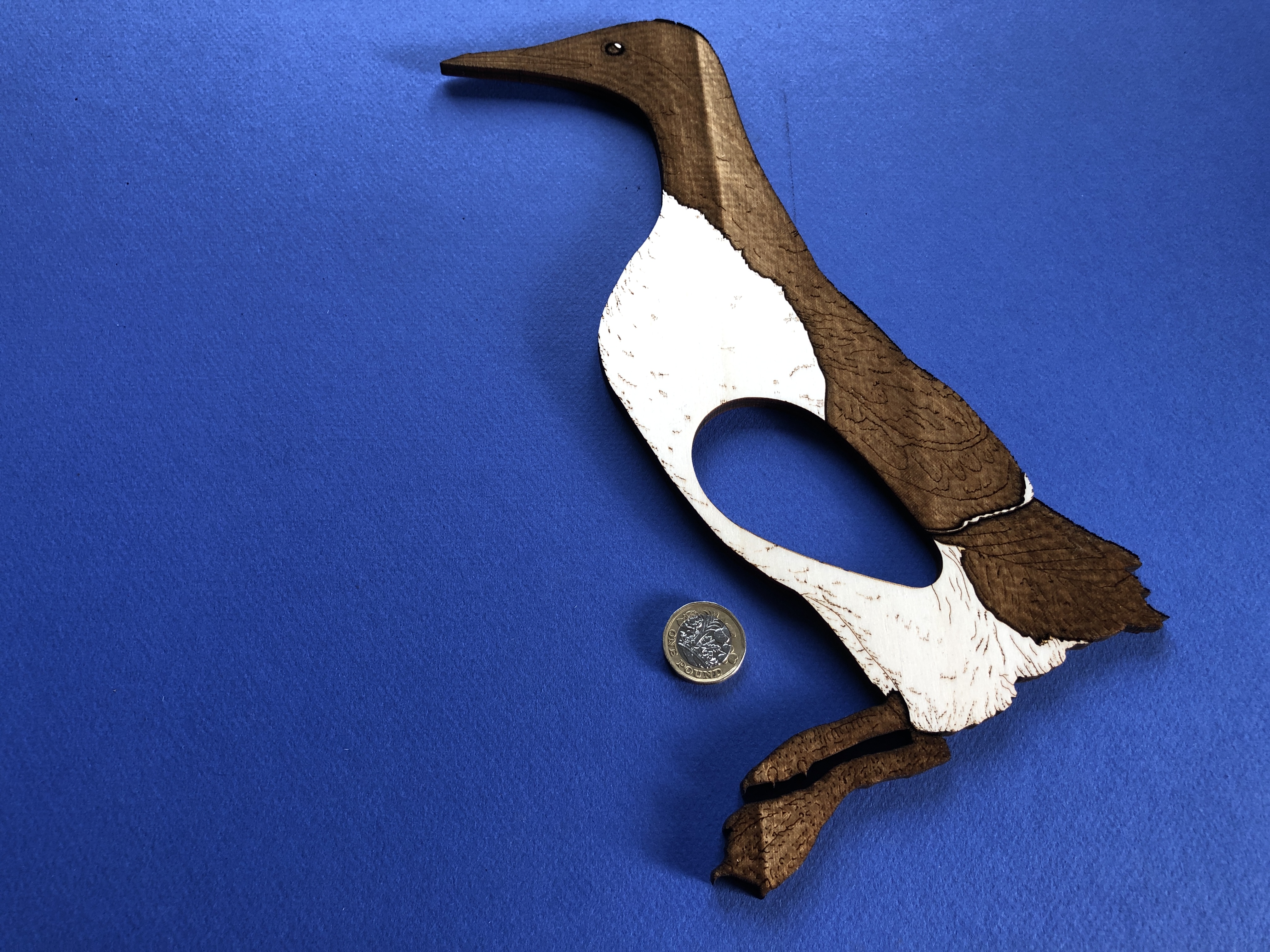
  • Guillemot with Egg (Art Puzzle) – Laser

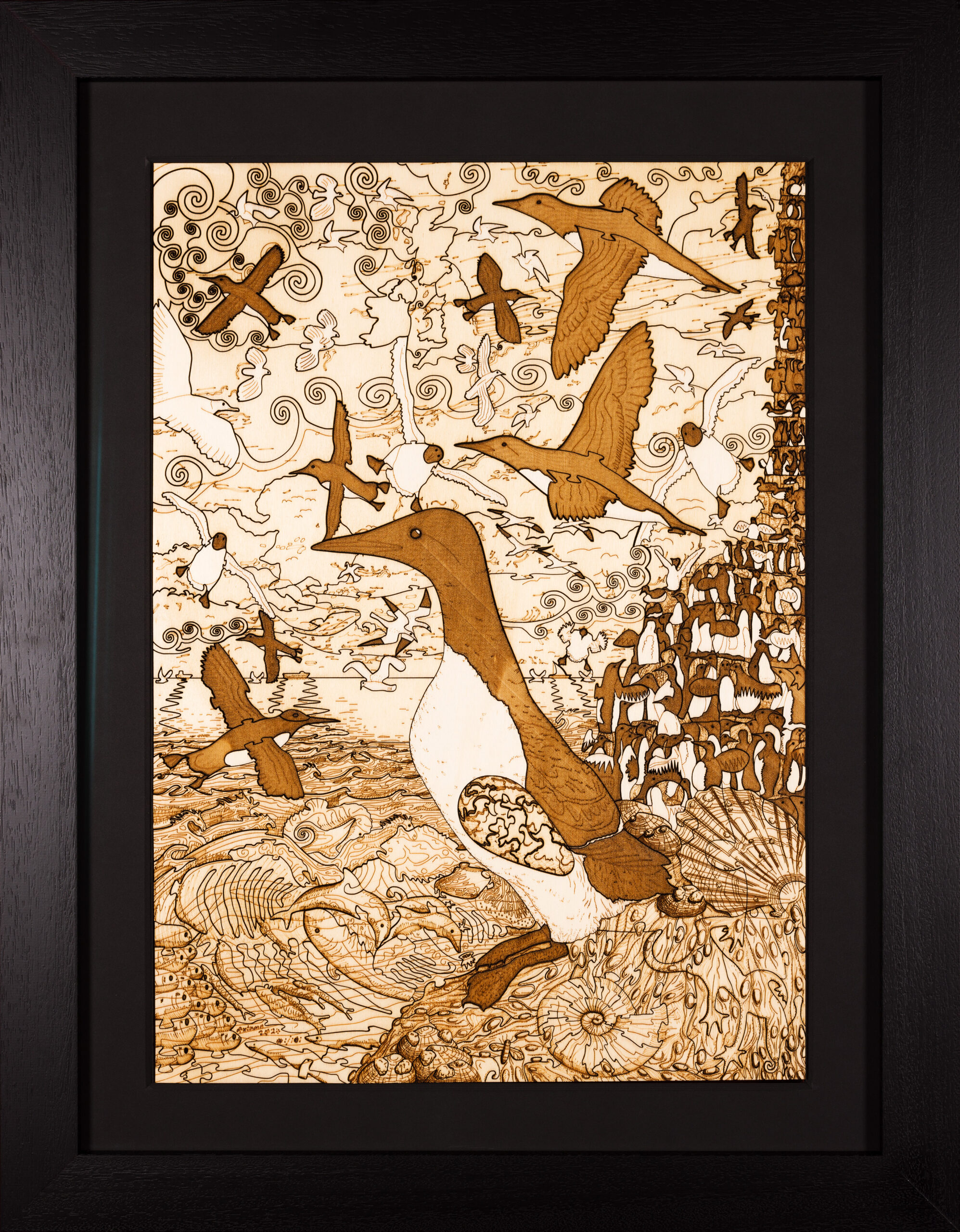
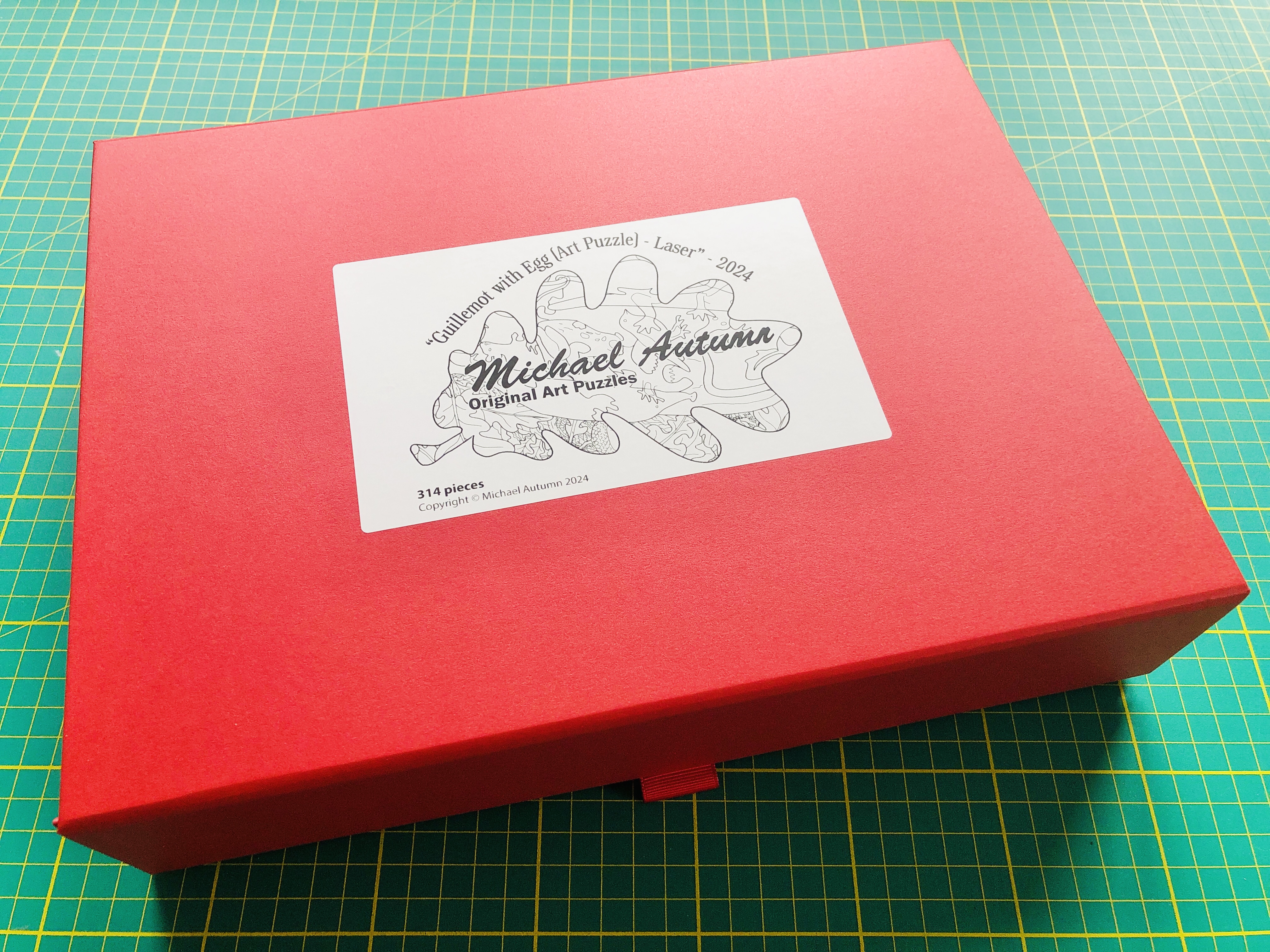
    Guillemot with Egg (Art Puzzle) – Laser

    Title: โ€œGuillemot with Egg (Art Puzzle) – Laserโ€
    Artist: Michael Autumn
    Medium: Hand-drawing – laser cut & engraved plywood
    Giclรฉe archival laser cut & engraved on 6mm AB/AB Italian Panguaneta Poplar plywood (produced responsibly, sustainably, and to the highest of standards), child-safe, moisture-repelling, varnish
    Size: 39.0cm (W) x 55.1cm (H), framed 57cm (W) x 73cm (H) x 5cm (D)
    Edition: Limited Edition of 101 – individually signed and numbered, and museum-level (FATG Level 1) :-archival and bespoke framed; and Unlimited Edition, lasered signature, unframed.
    Limited editions come with highly respected, secure and verifiable Hahnemรผhle Certificates of Authenticity and are publicly trackable here – https://www.hahnemuehle.com/en/digital-fineart/my-art-registry/preview/14596.html
    Date: 02/2024
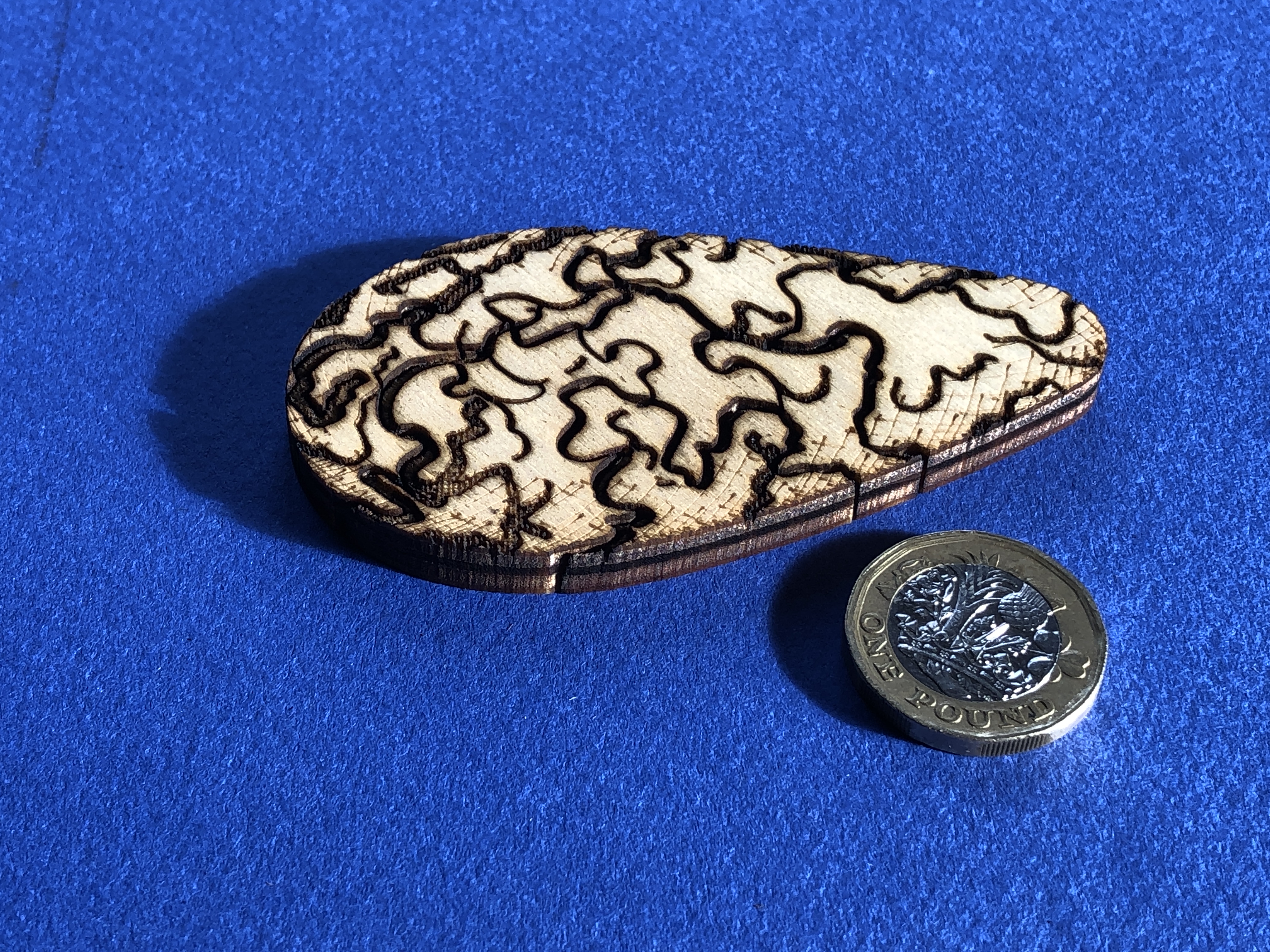
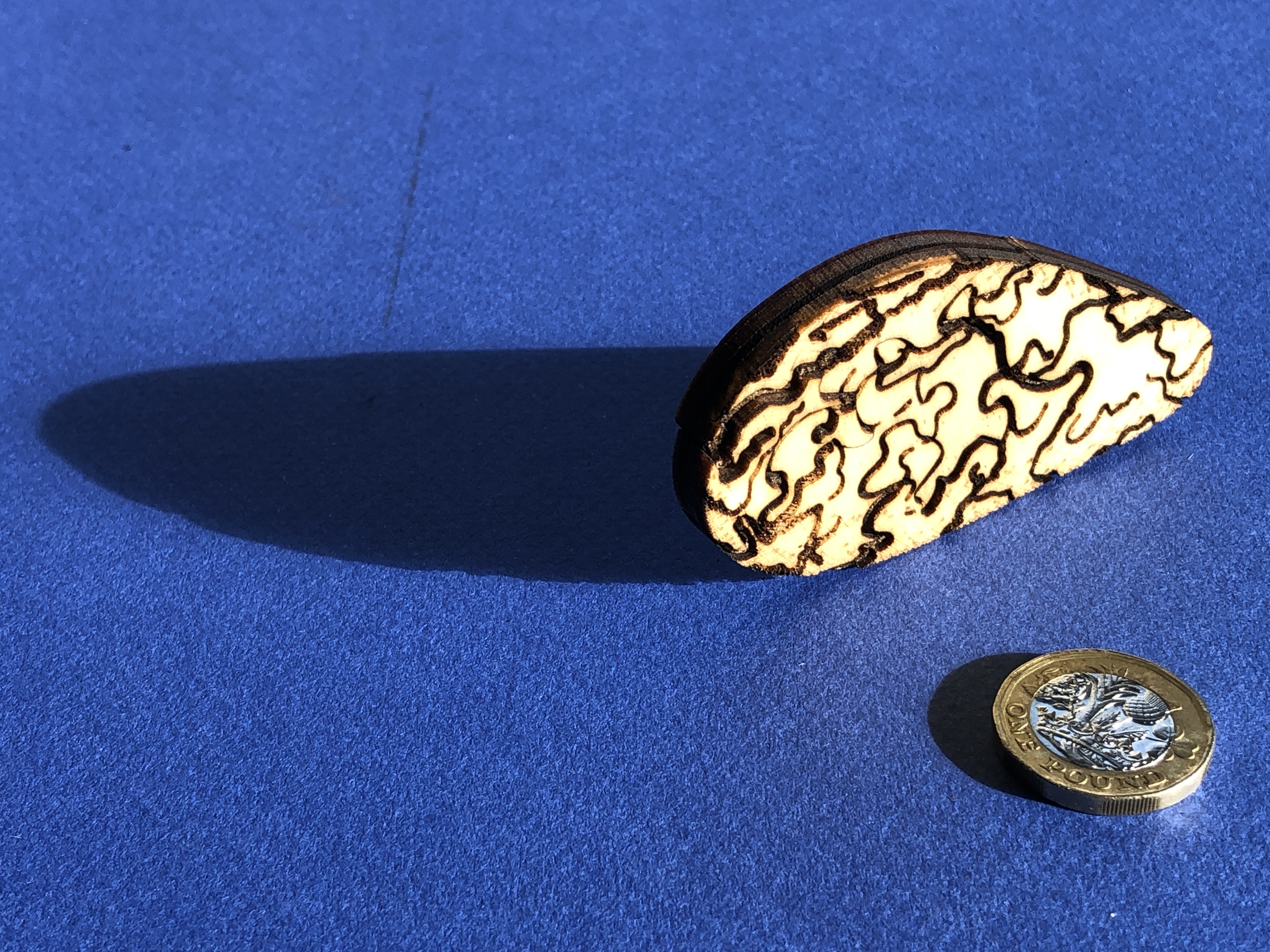
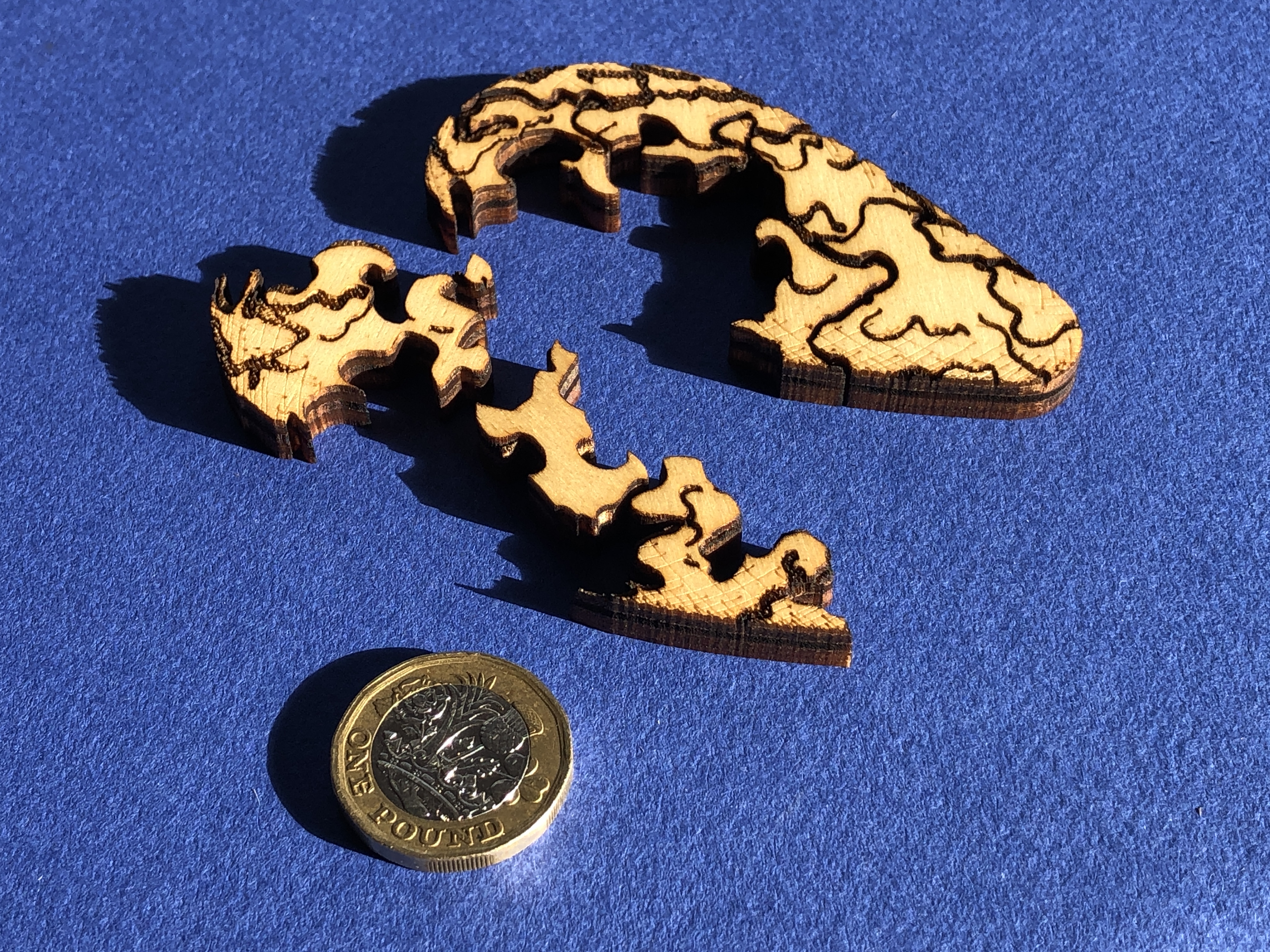
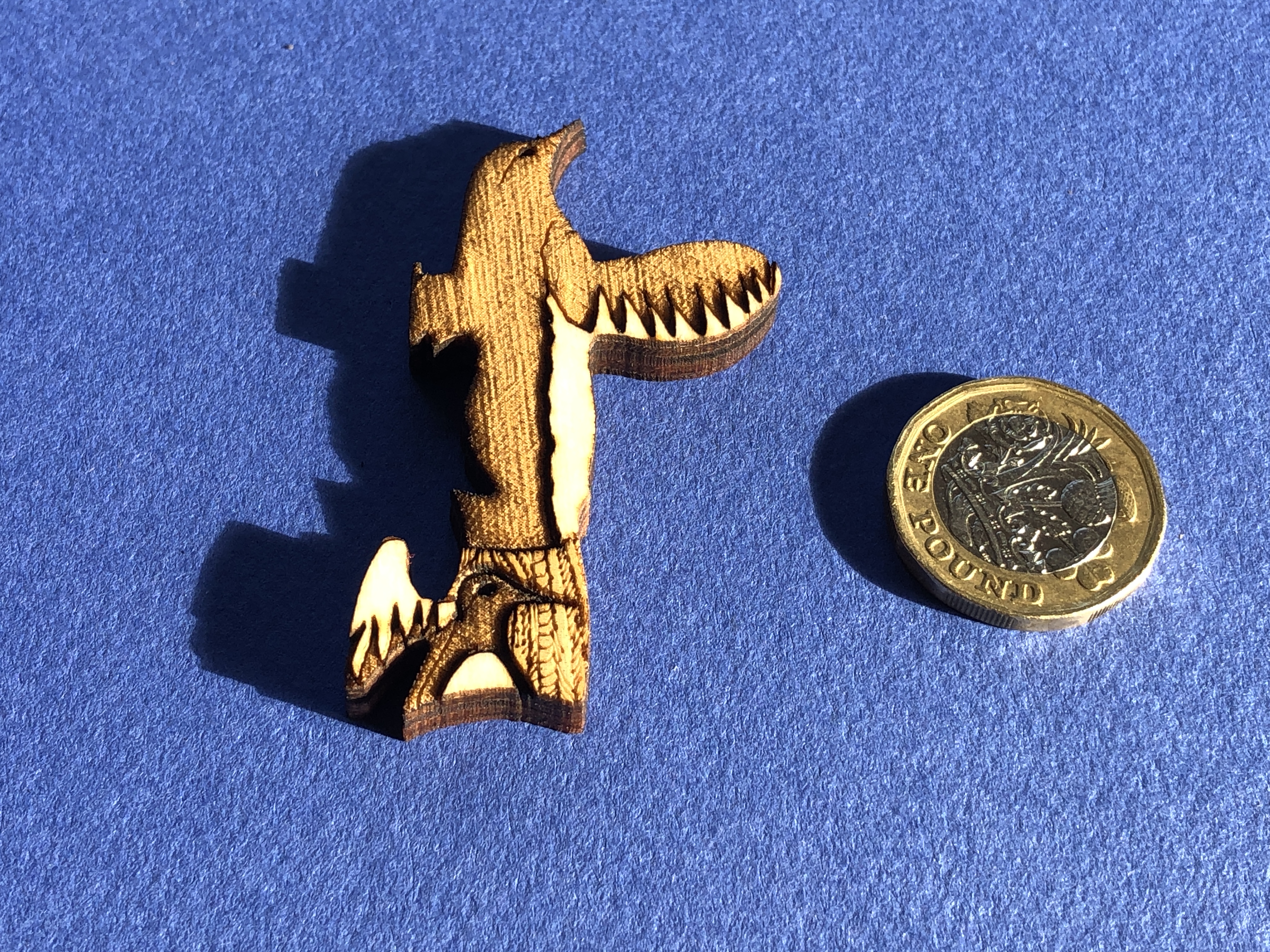
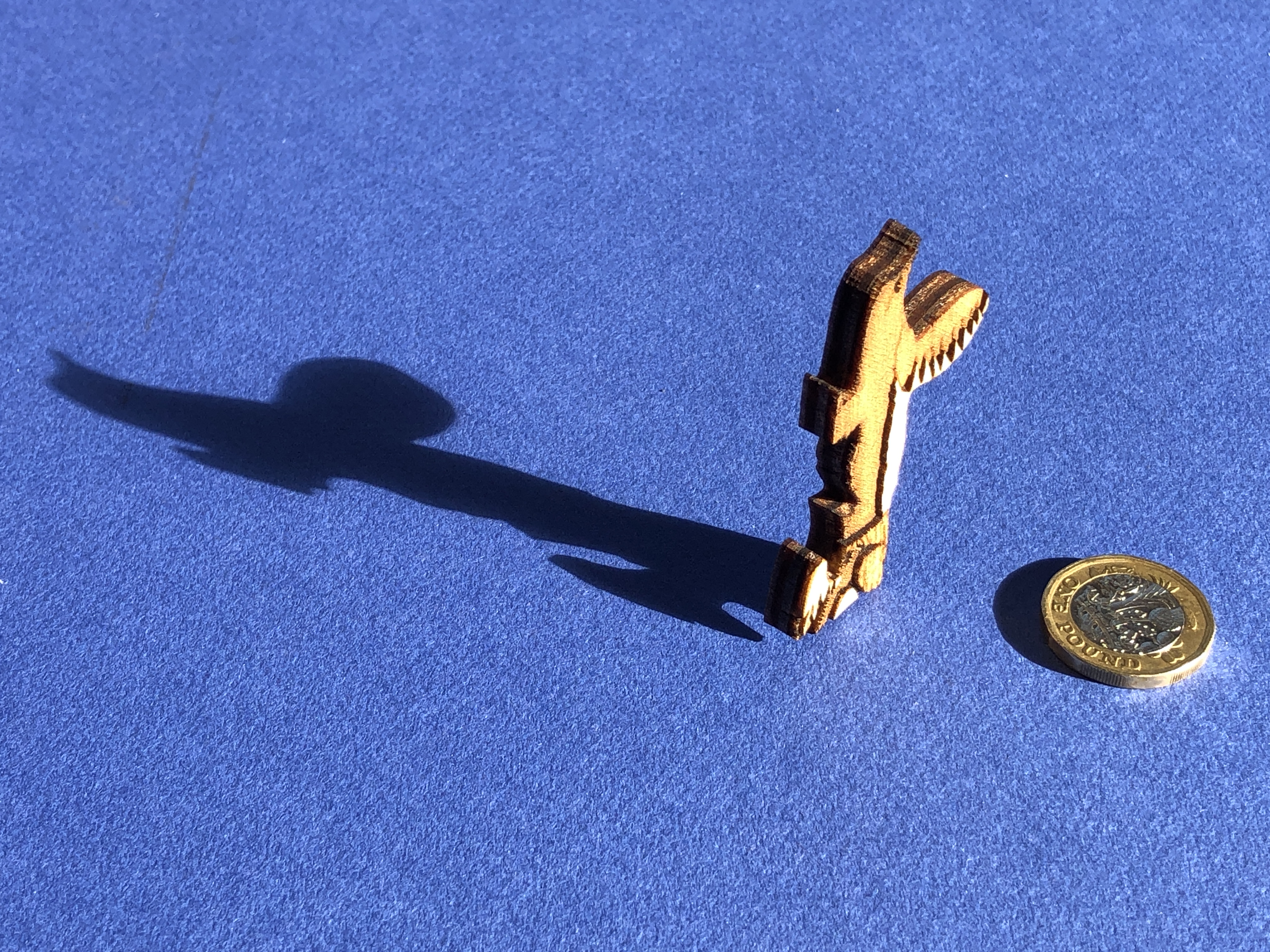
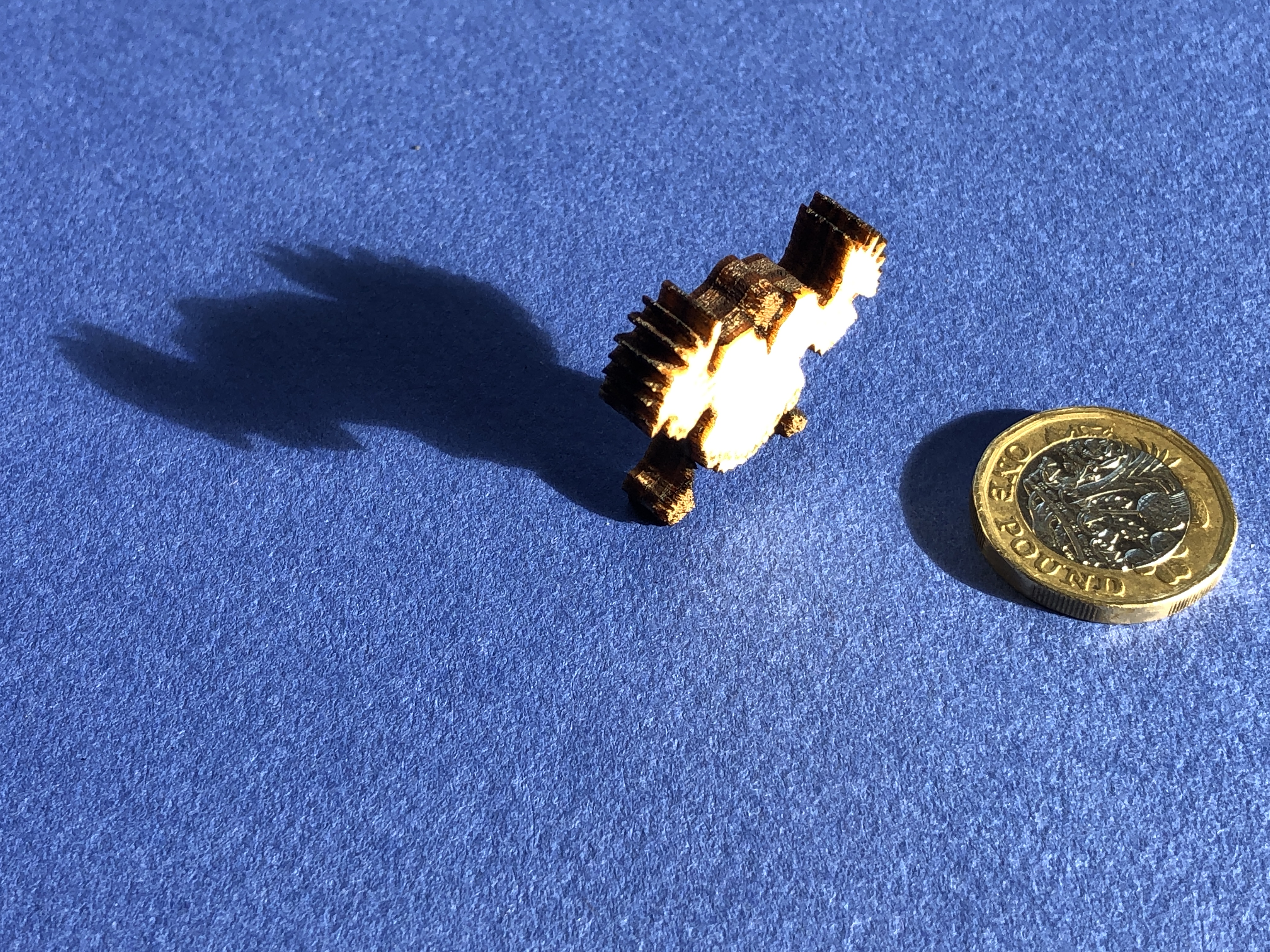
    Options: Available as a puzzle (314 unique pieces actually cut) OR left as a single engraved wooden panel.


    I was hoping to create a mass-producible wooden laser cut & engraved version of my โ€œGuillemot with Egg (Art Puzzle)โ€ (see https://michaelautumn.wordpress.com/2020/03/01/guillemot-with-egg-art-puzzle/)

    Guillemot with Egg (Art Puzzle)

    because hand-cutting the latter took far too long and caused serious RSI and/or rheumatoid arthritis in my hands/fingers. But in order to achieve the quality I wanted, it turns out (after much effort) that mass-production is simply not possible. It has been a long journey to get to a standard Iโ€™m happy with. Along the road I have researched a great deal about materials, wood, lasers (obviously! โ€“ but this is a big topicโ€ฆ), and lasering techniques. I have developed some of my own techniques and built some special tools because there were clear limitations in the best techniques, tools, and materials available. Suffice to say, I havenโ€™t come across any individual or company who can produce my designs to the quality I do. But it comes at a significant cost. I can only produce one per day โ€“ so in any definition of the phrase mass production, this definitely is not!

    Putting aside the weeks it took me to complete the design (in addition to the weeks it took me to design the original, I spent about another four weeks enhancing it to take advantage of laser capabilities) โ€“ and may trials, adjustments, custom tooling, and more trialsโ€ฆ

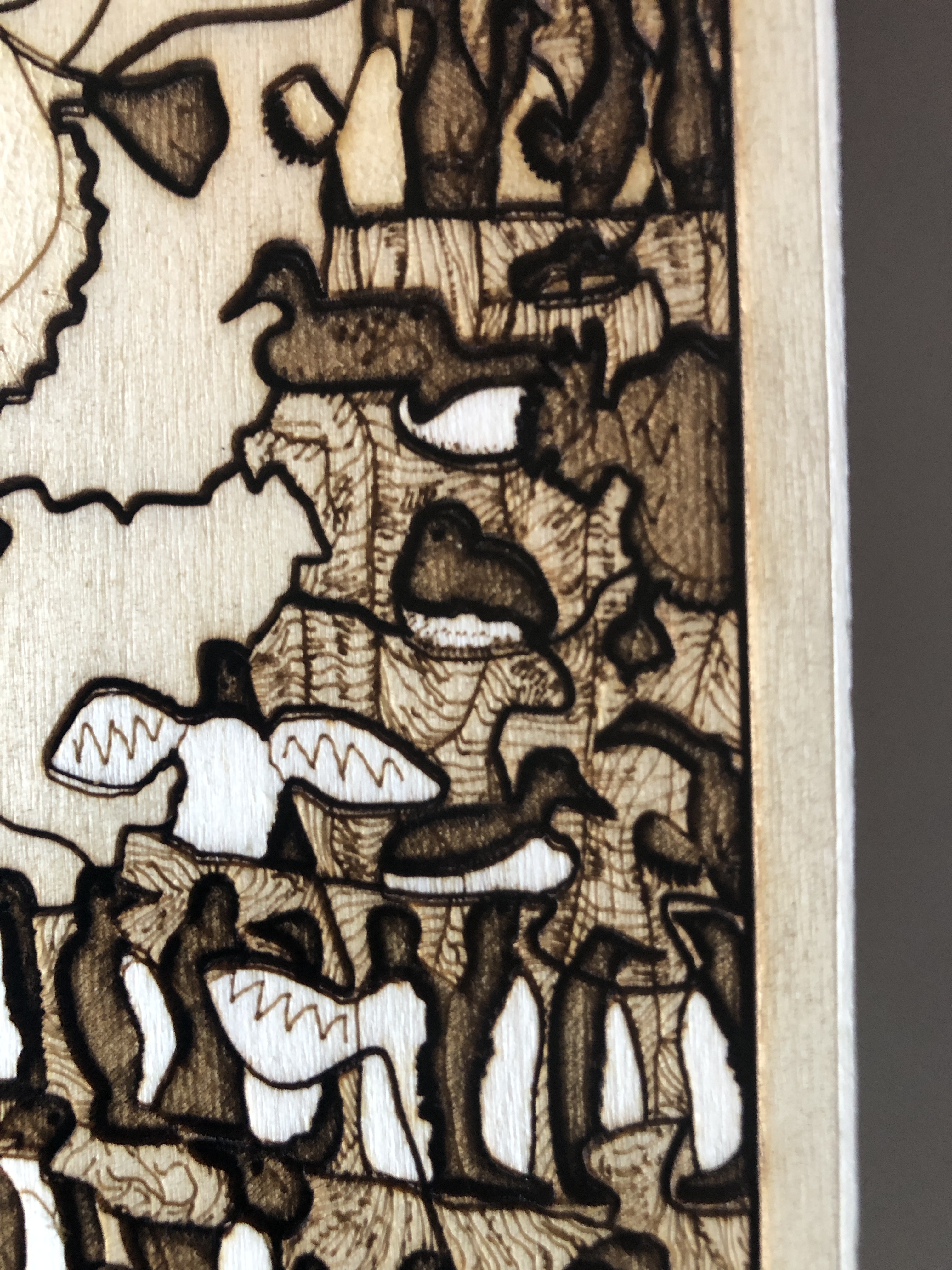
    The design uses multiple lasering and layering techniques โ€“ cut-throughs, scoring, light scoring, engraving, deep engraving โ€“ which all have to be done in a specific sequence. For example, in places in the design, I have score marks on top of some deep engraved areas โ€“ so obviously the deep engraving has to be done before the scoring.


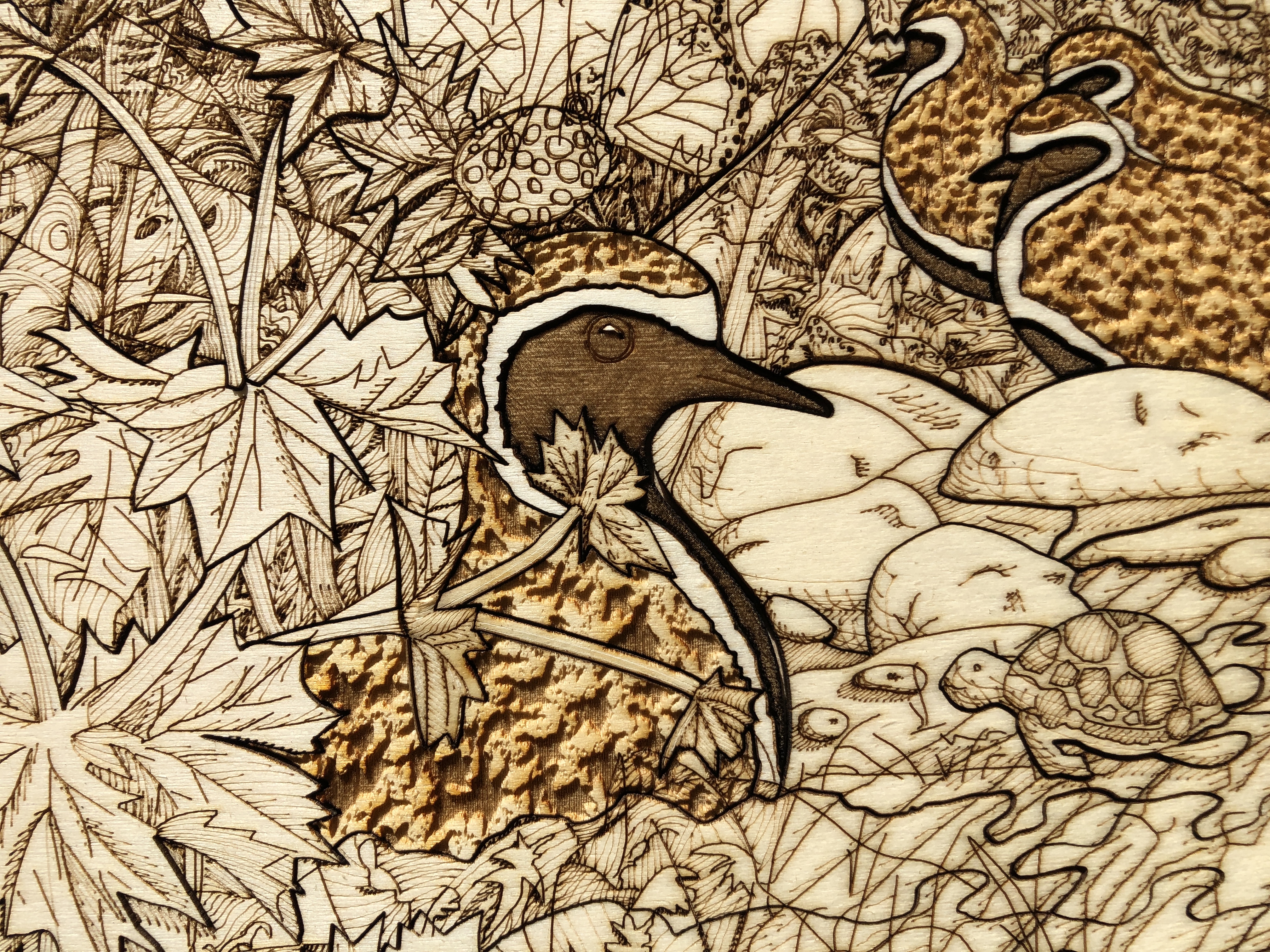
    Detail showing a mix of cut lines, scoring, light scoring, and different types of engraving.

    Also, I use the flattest, smoothest, least porous, best quality plywood I can (and do special preparations to achieve this โ€“ see below) โ€“ so I can achieve the subtle effects Iโ€™m looking for with the minimum of laser power (basically more power equals less precision).

    These are the steps :-

    1. Spray water on the raw plywood panels to raise the grain, let them dry.
    2. Very fine (400 grit) orbit sand the dry plywood, wipe clean.


    3. The plywood panels are then varnished and left to dry for up to three days (depending on time of year โ€“ humidity and temperature). This is to minimise the effects of laser burning and makes it easier to clean specific areas afterwards (see step 8).


    4. The plywood panels are then flattened in a special press for several days.


    5. A single plywood sheet is put in a custom-made flat panel laser bed holder (I designed).
    6. The lasering itself takes a little over seven hours on my 130W CO2 laser (for a single artwork).
    7. After lasering, I do a detailed quality check. Wood, being organic with glued layers, varies from sheet to sheet – and some lasered artwork doesnโ€™t make the grade โ€“ or needs fixing in some way.
    8. Then very carefully lighten the brightest/whitest, most important areas (that have been darkened by smoke) with cotton swabs and a mild acid โ€“ to make them stand out better. This seems very much like an art-restoration process โ€“ like removing the old varnish from an old masterpiece – to restore the original colours! (But I only do certain areas to make them stand out โ€“ not the whole thing.) This takes me about an hour and a half. The difference is subtle, but vital to me. It is the difference between a mechanically produced piece of art and a true piece of art Iโ€™m happy with.


      The following two images show before and after the white masking has been removed (notice how the white bellies of the guillemots stand out better after cleaning, and the eye of the main bird) :-


      The following image shows detail of a part-de-masked area (compare the guillemot bellies on the bottom and middle to those on the top row) :-


    9. The artwork then gets a final varnishing and left to dry for up to three days. This is especially important to protect the newly exposed wood surfaces.
    10. I use pyrography to number each piece in the limited edition.


    11. The special display mounts โ€“ with a selection of pieces cut of in order to highlight the work is in fact a puzzle โ€“ and not simply a drawing – are individually laser cut out of high quality mount board. This takes my precision laser about 40 minutes.


    12. Finally I frame the artwork to using museum materials and techniques. I use anti-reflective, 99% UV filtering, ultra clear museum-grade glass to provide maximum protection to the piece.

    I think the final work shows that lasers can be used to make real art โ€“ and are capable of very fine control โ€“ as much as lithographic printing, silk-screen printing, wood-block printing, lino-printing. Like any tool, the best results come with experience, knowledge, perseverance, patience, and finding ways around the natural limitations of the medium…

    Just to give you an artist’s insight into this piece, a video of me talking about a very similar artwork to this (“Golden Plover with Egg (Art Puzzle) – Laser”) and the making of it can be seen on YouTube :-

    – with the main difference being this one takes twice as long to laser, and three times as long to remove the masking tape.

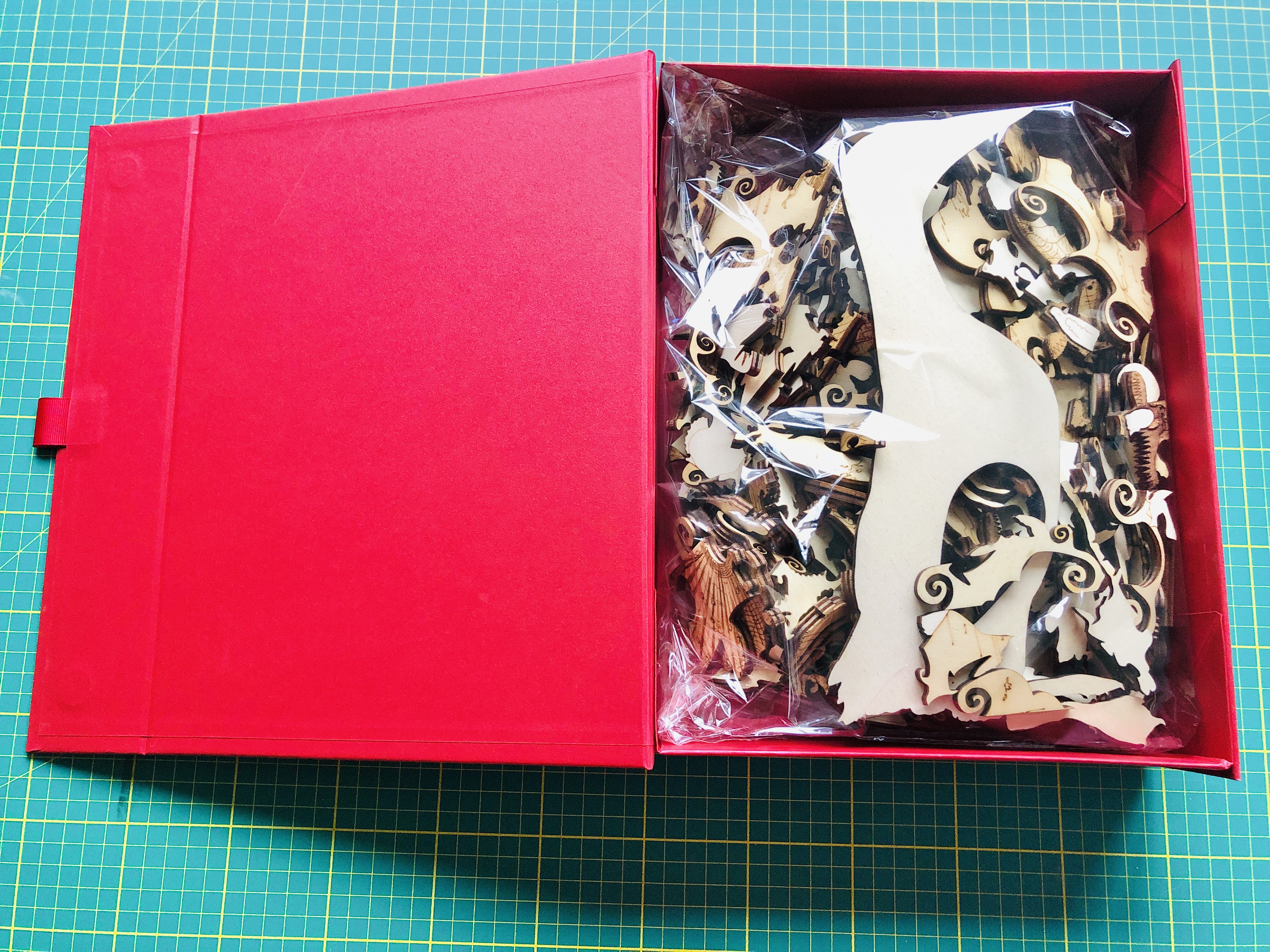
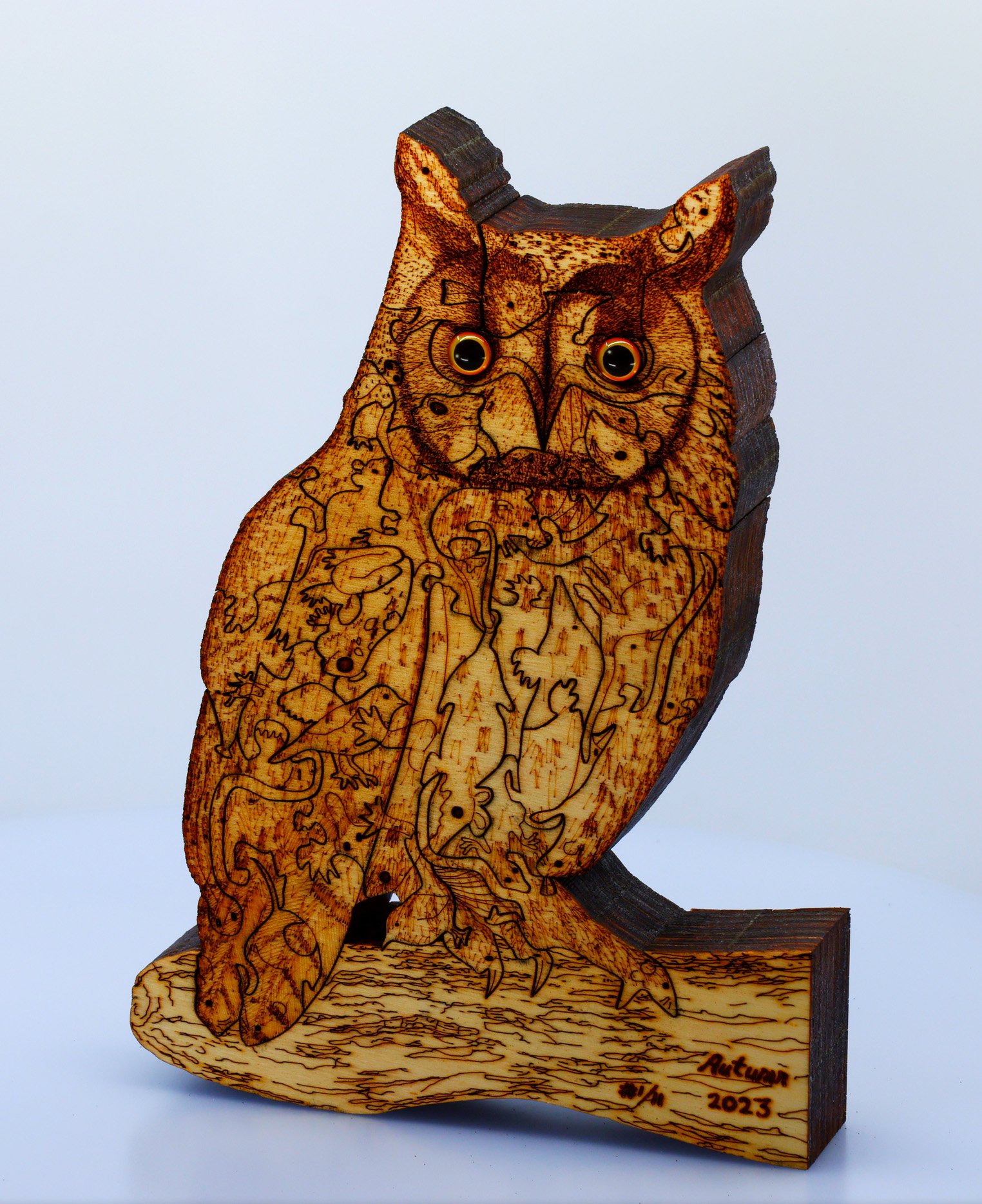
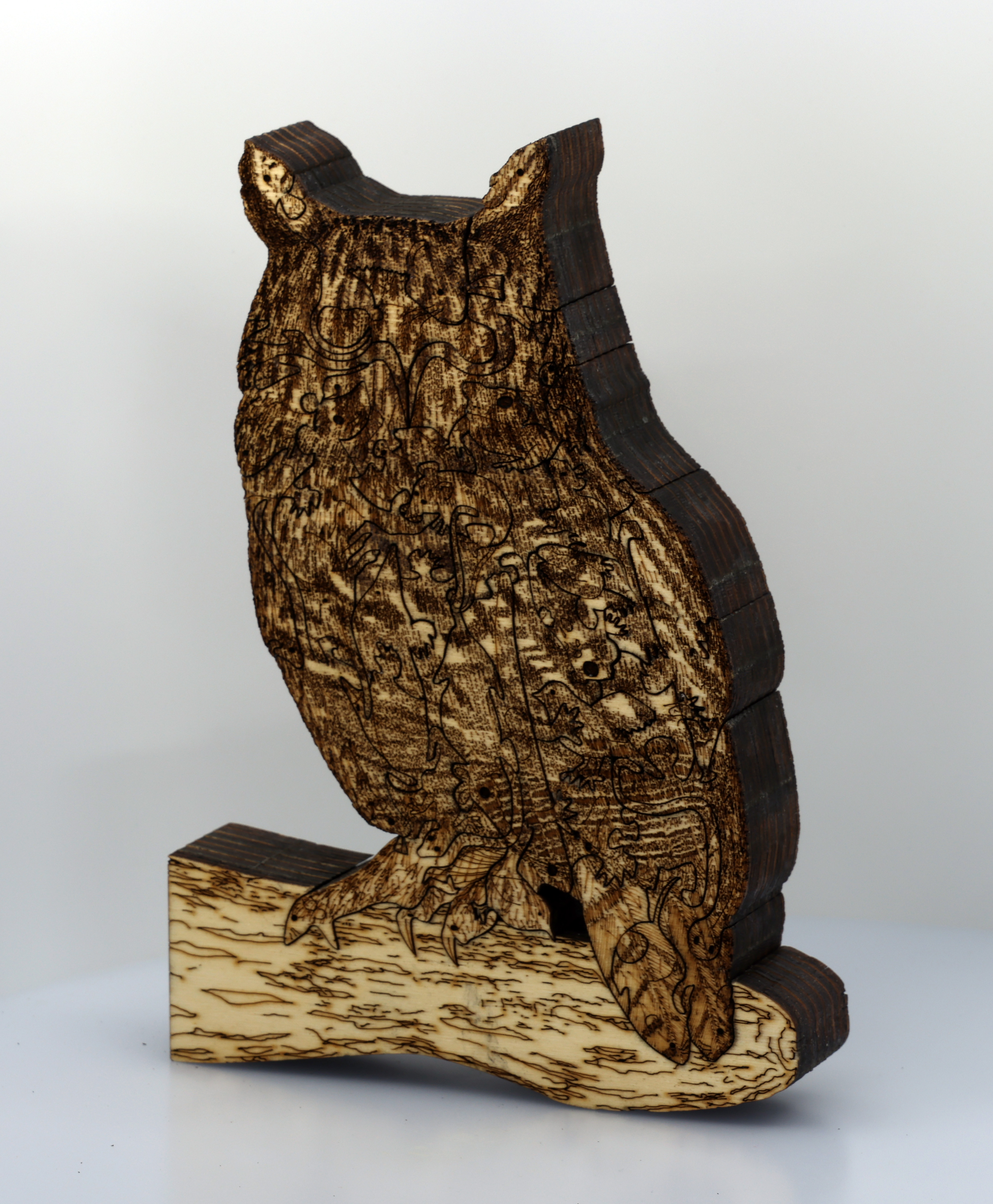
  • Long-eared Owl (Art Puzzle) (You Are What You Eat) – laminated

    Long-eared Owl (Art Puzzle) (You Are What You Eat) – laminated

    Title: โ€œLong-eared Owl (Art Puzzle) (You Are What You Eat)โ€ – laminated
    Artist: Michael Autumn
    Life-sized part-handmade, part laser-cut & engraved, two-sided, laminated plywood art puzzle (Limited Edition of 11)

    Long-eared Owl (Art Puzzle) – Laminated: Full image – front

    Size: 20cm (W) x 30cm (H) x 4cm (depth) @ 0.65kg weight
    Medium: 7 laminated layers of 6mm AB/AB Italian Panguaneta Poplar plywood + acrylic eyes.
    Date: 2023
    Rear of the laminated version

    Long-eared Owl – Laminated

    This is a partly hand-cut and finished, partly laser-cut & engraved, two-sided, laminated plywood version of my original solid oak, hand-cut & engraved version of “Long-eared Owl (Art Puzzle) (You Are What You Eat)” (see https://michaelautumn.wordpress.com/2023/05/03/long-eared-owl-art-puzzle-you-are-what-you-eat/).

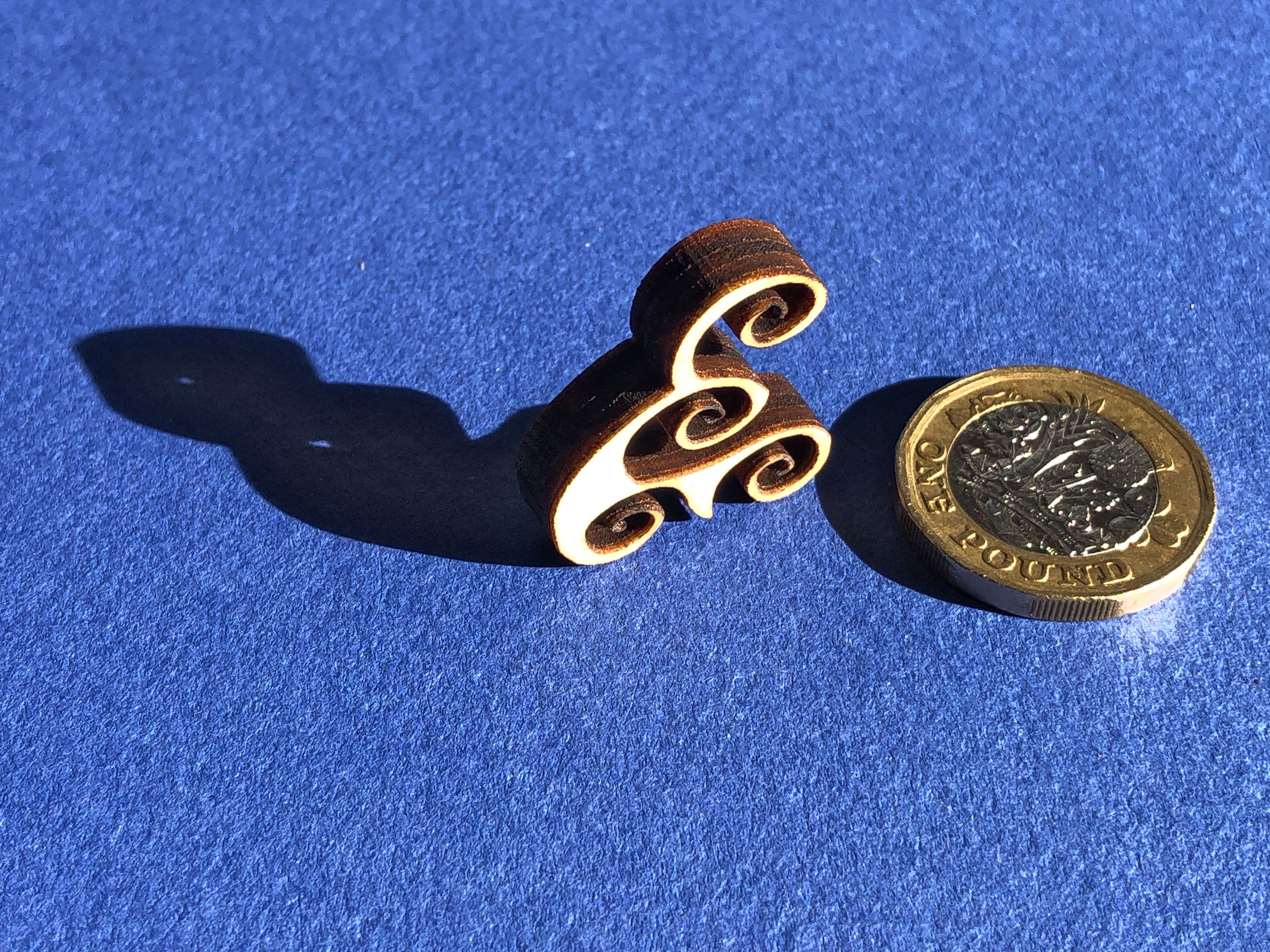
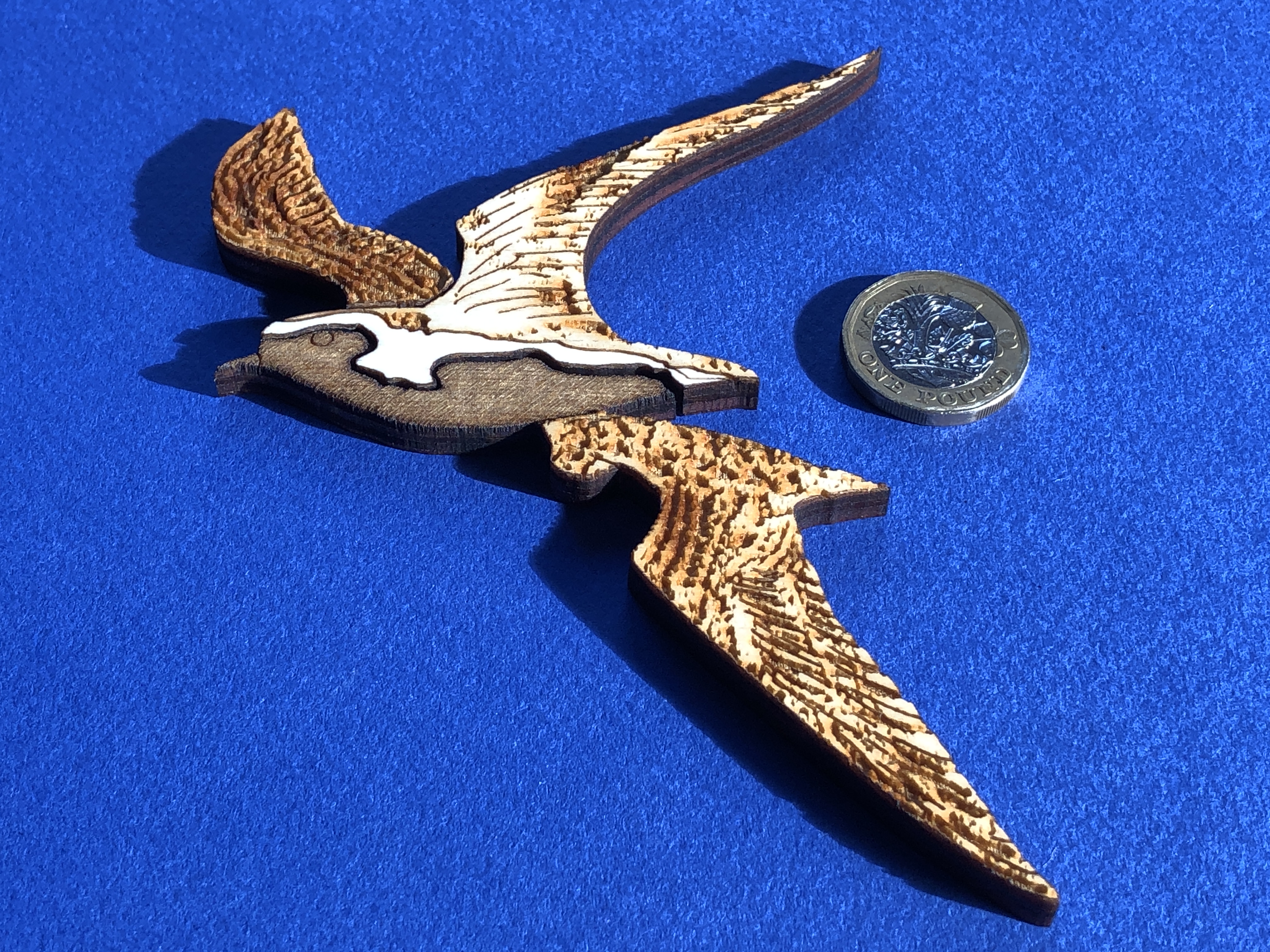
    This is the culmination of three years of trying to find an engineering solution to making the incredibly intricate thick oak art puzzles I used to very laboriously (and painstakingly!) cut by hand using an electronic scroll (fret) saw. I tried waterjet cutting (that blasts away intricate areas and requires continuous cuts – totally wrong!). I bought and tried CNC routing (for about six months) with the smallest router bits available – but the bits that had the required diameter (1/32″) kept breaking and couldn’t reliably cut the depth required. And it require cutting at such small depths at each pass that even if the router bits didn’t keep breaking (and the whole job having to be restarted!) then it would have taken literally weeks to complete a single design!

    The problem with conventional laser cutting (which I spent the best part of a year trying – with three different bought lasers) is that the deeper the material is, the more power is required – and therefore the wider the laser beam is. This results in an unacceptably wide kerf – gap between cuts. The kerf (gap) I managed by scroll-sawing – was about 0.7mm – which is the minimum I can accept. A laser that can cut through 42mm of plywood would ordinarily have a kerf of well over 1mm. So that is out of the question.

    I pondered this dilemma for months, and tried various ideas – none of which worked. Eventually I can up with the idea of not trying to cut such thick material all at once – but to cut it much more finely in several thin layers – and then bond them together. This has (had) a number of issues and challenges in and of itself, however, I’m extremely please and relieved that I worked out solutions to the problems. And when I first produced the first fully acceptable complete version I was on cloud nine for several days…!

    Suffice to say that the part hand-, part laser-, cut laminated version of my Long-eared Owl (Art Puzzle), is far more accurate, better fitting, and more reproducible – without causing RSI/hand arthritis! Having said all that, it takes about the same amount of time in total as hand-cutting(!) – about a week for each edition – because of all the part-laser cutting of multiple layers, doing the rear design – and quite a lot hand-finishing. But at least if is much less of a strain on my hands – and infinitely less daunting…!

    “Art Puzzle” series

    At the risk of stating the obvious, this work is part of my Art Puzzle series. For readers interested, further details can be found at the originating work’s post @ https://michaelautumn.wordpress.com/2020/03/01/guillemot-with-egg-art-puzzle/

    Finished photos & videos

    Promo Animation
    Disassembling
    Comparing the completely hand-made, solid oak, version – with the part hand, part lasered, laminated, version

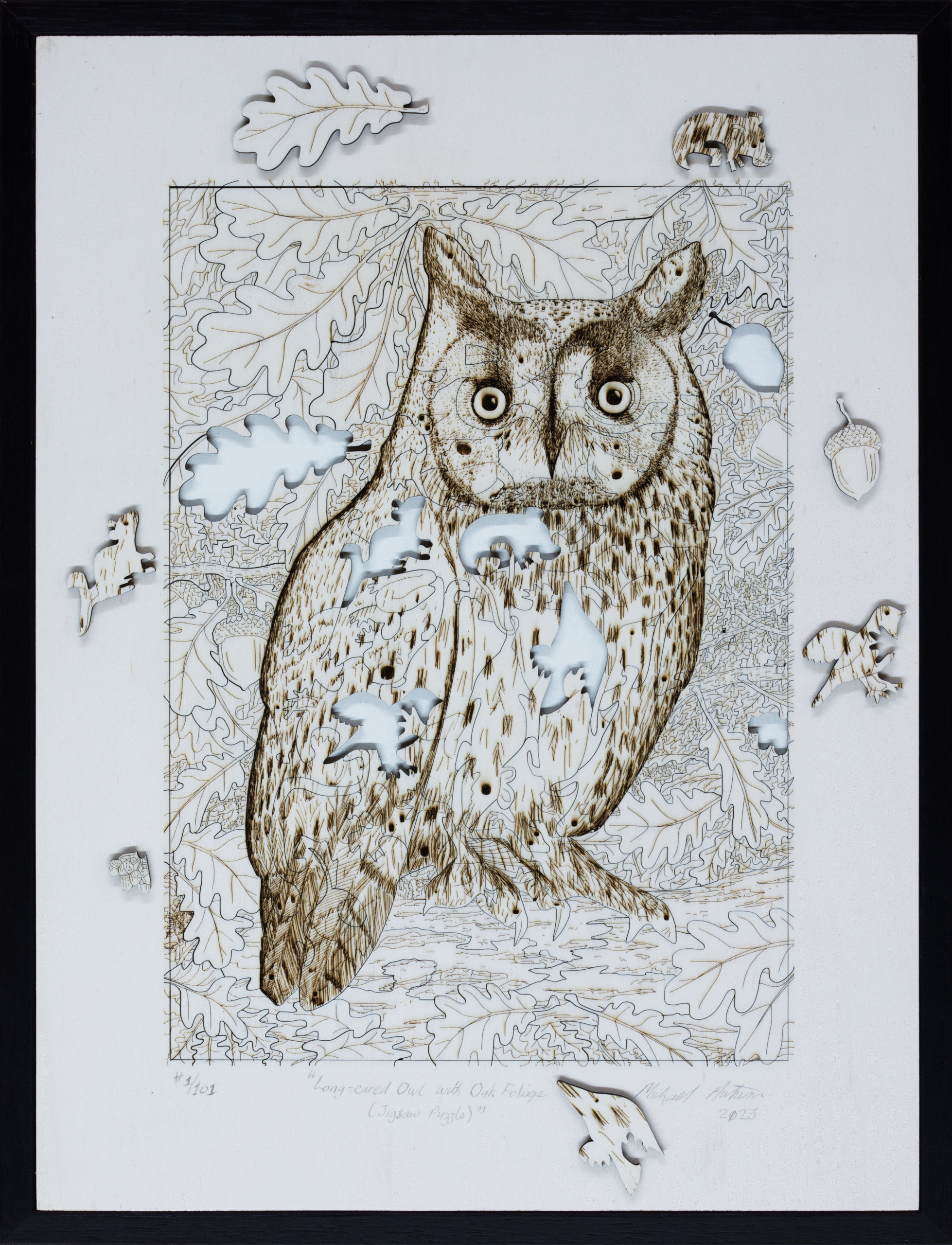
  • Long-eared Owl with Oak Foliage (Art Puzzle)

    Long-eared Owl with Oak Foliage (Art Puzzle)

    Title: โ€œLong-eared Owl with Oak Foliage (Art Puzzle)โ€

    Artist: Michael Autumn

    The complete framed art jigsaw puzzle with some pieces set to the side - to highlight that this is a jigsaw puzzle as well as being a detailed drawing piece of art.

    Available to purchase on Etsy

    Medium: Hand-drawing – laser cut & engraved premium 3mm AB/AB Italian Panguaneta Poplar plywood
    Size: 48cm (H) x 38cm (W) (including the frame)
    Date: 2023
    Country: UK

    Description: The idea behind this artwork was to have a tactile, life-sized, long-eared owl, and to toy with the idea โ€“ โ€œYou are what you eatโ€. Long-eared owls are ferocious predators (as are all owls) โ€“ and will basically eat anything that moves that is smaller than them. They often swallow their prey whole, and regurgitate a large pellet of the undigestible parts โ€“ such as bones, teeth, hair, feathers. Indeed, examining their pellets is how ornithologists know so much about what they eat.

    This is a very high (in the case of the unlimited edition), and extremely high (in the case of the limited edition), quality laser-cut โ€œartโ€ jigsaw puzzle – directly cut (and scored) from an original digital hand-drawing. The design is a specially modified drawing of his original hand-cut thick solid oak artwork entitled โ€œLong-eared Owl (Jigsaw Puzzle) (You are what you eat)โ€ (2022) (see https://michaelautumn.wordpress.com/2023/05/03/long-eared-owl-jigsaw-puzzle-you-are-what-you-eat/ and https://youtu.be/jWsK6TFEevk).

    Jigsaw Puzzle?

    This is not a jigsaw puzzle in the conventional sense of the word: it is not simply a print stuck on card or wood – and cut into puzzle pieces โ€“ where the jigsaw puzzle was never envisioned by the artist (or photographer). Most jigsaw puzzles are a commercial after-design afterthought. However, this artwork was designed from the outset, and from the ground up, as a jigsaw puzzle. This is an artwork where every single line drawn was specifically designed to be cut as interlocking puzzle pieces. This is not a cut-up picture โ€“ there are only completely intentional cuts/joints – to make a work of art.

    The โ€œartโ€ side of this artwork is where I have designed the owl to show that it is literally made of many of the wide variety of creatures that it eats. I used the simple jigsaw-puzzle you-are-what-you-eat metaphor to illustrate this puzzling (pun intended!) transformation of lots of small animals making up an owl. My hope is that interacting with art like this will make you think more about the message in it than if it was a normal drawing or paintingโ€ฆ

    This is a line drawing โ€“ where the strong lines are cut through the wood (to form the jigsaw puzzle pieces), and the weaker lines are scored and engraved on to the surface of the wood (to add extra detail) โ€“ by the use of a very high quality laser.

    This laser-cut artwork has considerable extra detail compared to the aforementioned artwork, and has a rich oak foliage background โ€“ to take full advantage of the extra cutting and scoring precision achievable with a very high quality laser โ€“ compared to hand-cutting and scoring. Also I wanted to produce much more affordable art โ€“ compared to my very laborious (and strenuous!), hand-cut, hand-finished, original artworks.

    Laser-cut

    This is not ordinary laser cutting: this is laser-cutting pushed to its limits. The usual flaws of laser cutting – scorching, burn marks, unsharp, brittle and crumbling edges, poor detail โ€“ might be acceptable to most people, but wasnโ€™t acceptable to me โ€“ a self-confessed perfectionist with OCD! So over several months I exhaustedly researched the problems, tried various solutions, found some to be too labour intensive, thought outside the box, made a special tool, and eventually came up with a workflow of pre-, and post-, production, specially selected materials, and using special techniques. Now Iโ€™m very happy with the results: near perfection and consistency โ€“ I think itโ€™s the best you are likely to see – or feelโ€ฆ

    Editions: Available in both limited and unlimited editions (see respectively named sections below).

    Material: finest quality 3mm hardwood plywood

    • sustainably produced wood
    • specially treated (protected against frequent handling, moisture, water spills, saliva, dirt)
      • non-cracking, non-peeling, non-flaking
      • (the limited edition has a higher specification โ€“ see โ€œLimited Editionโ€ section below)

    Number of pieces in puzzle: 156

    Jigsaw puzzle size: 297mm (H) x 210mm (W)

    Size with extended mat (for unlimited editions): 400mm (H) x 300mm (W)

    Custom Frame size (available for unlimited editions): 480mm (H) x 380mm (W) x 47mm (D)

    N.B. Not suitable for young children due to the very small size of some of the pieces (the smallest are approximately 10mm x 5mm), however, the varnish meets child safety standards (EN 71.3).

    Limited Edition

    Details of the edition are hand-written by the artist in pencil on the special mat below the artwork in the following form :-

    Edition number (left), title of artwork & year (middle), signature (right).

    Edition Size: 101

    Edition numbering format: #[space][edition number]/[edition size] โ€“ e.g. โ€œ# 23/101โ€ (the โ€œ#โ€ is to prevent any additional digits being added to the left).

    While made from the same wood, the limited edition differ from the unlimited edition in the following important ways :-

    Comparing pieces from unlimited (left) and limited (right)
    • Are lighter in colour (with staining) so that the design stands out more clearly.
    • The wood is specially treated for maximum UV protection, to minimise colour change, and to virtually eliminate yellowing, darkening, and radiation damage that normally occurs in unprotected wood after many years.
    • Are cut with a much finer laser to virtually eliminate the gap between pieces and to give even tighter joints than the unlimited edition. The laser cutting takes three times longer than normal โ€“ taking over three hours for each artwork.
    • They come with the outer perimeter wood (known as the โ€œmatโ€) from which they were cut โ€“ with the design bleeding 2mm into it – making a natural-looking border. The mat is intended to be framed, and it provides space for the all-important hand-written edition number, the work title, the year, and the artistโ€™s signature.
    • Available with the optional special bespoke museum-grade archival frame. Not everyone is concerned about protecting their investment and their art staying in excellent condition for hundreds of years – or they possibly are, but donโ€™t want to spend the extra money on this – which is why the special framing offered is optional. The limited edition art jigsaw puzzle can be purchased unframed (it still comes with the aforementioned mat).

      The frame has been specially designed and made by me. I am an experienced framer (and general carpenter/joiner), but I donโ€™t relish framing! I only make special frames because unfortunately some of the types of frames I want canโ€™t be made by most professional framers โ€“ they can need special joints, special and very exacting moulding, interlocking double frames with very precise features.

      Most art is only for show – it is not meant to be touched at all – and is shielded behind a completely sealed frame and/or covered in layers of varnish. The custom frame made for this artwork is very special because I wanted the ability for the artwork to be hung on the wall โ€“ with all the pieces remaining in place(!) โ€“ whilst also being easily opened – so that the jigsaw puzzle can actually be solved as often as desired. How to achieve this, whilst at the same time providing the maximum level of protection so that the artwork lasts hundreds of yearsโ€ฆ? The answer was to make a two- part museum-grade frame – where one part fits snugly inside the other. The front (outer) part has the highest quality, clearest, anti-reflective, museum glass – that virtually eliminates all harmful UV radiation and naturally protects the artwork from dirt, dust, etc. The back (inner) part holds the mat of the artwork jigsaw puzzle completely flat to a museum-grade, acid-neutral, non-VOC, non-staining, 100% cotton rag mount board – which in turn is mounted on a very thick, very rigid, acid-free, non-VOC, non-staining, backing board – all using museum-grade adhesives, hinges, and tapes. The front (outer) frame is made from a customised precision moulding – because the required specifications are such that it is not available off-the-shelf.

      The end result is a fabulous frame โ€œsandwichโ€ that can be put on the wall – like normal framed artwork โ€“ and can be taken down any time so you can attempt to solve it. The front part can easily be lifted off (by sliding open the clasps at the back), and the jigsaw puzzle pieces can be tipped out โ€“ ready to be solved. Afterwards, the front can be replaced, the clasps at the back closed, and the whole frame can be hung back on the wall.

      This frame design is museum grade in all but one inevitable respect: it is designed to be opened – and is therefore not completely and permanently sealed. This is a very minor concession – that is obviously required for the ability to solve the jigsaw puzzle as often as required. However, obviously it can very easily be sealed at the back (preferably with readily available archival backing tape) if required โ€“ needing no special tools or skill. When sealed at the back like this, it would be 100% museum grade. But even without being sealed, it is 99% museum grade โ€“ and should last in pristine condition for hundreds of years.

    Unlimited Edition

    The unlimited edition is a very high quality laser-cut wooden product – probably the highest quality wooden jigsaw puzzle available anywhere – as of 2023 (apart from the limited edition version of course). These are not mass-produced: they are individually produced on a very fine laser – taking over an hour each – and the post-production is individually inspected and counted to guarantee quality control. The unlimited edition is not available framed.


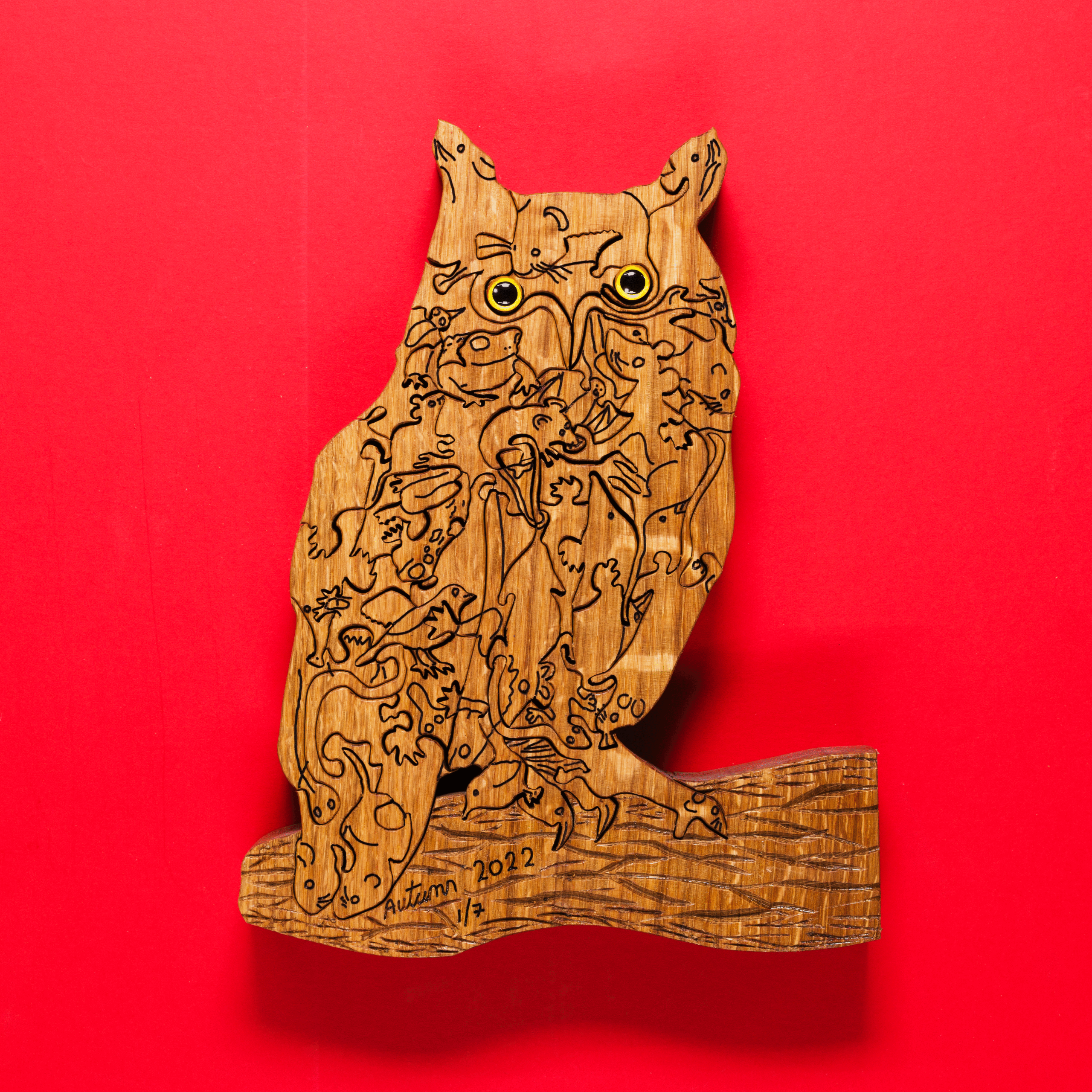
  • Long-eared Owl (Art Puzzle) (You Are What You Eat)

    Long-eared Owl (Art Puzzle) (You Are What You Eat)

    Title: โ€œLong-eared Owl (Art Puzzle) (You Are What You Eat)โ€
    Artist: Michael Autumn
    Life-sized handmade solid oak jigsaw puzzle (Limited Edition of 7)

    Long-eared Owl (Art Puzzle): Full image
    Size: 20cm (W) x 30cm (H) x 4cm (depth) @ 1.5kg weight
    Medium: Solid European Oak, hand-cut, hand-engraved, hand-carved, art puzzle + acrylic eyes.
    Date: 2022

    Long-eared Owl

    The story behind this art piece was to have a free-standing, tactile, life-sized long-eared owl, and to toy with the idea – “You are what you eat“. These birds are ferocious predators (as are all owls) – and will basically eat anything that moves that is smaller than them. They often swallow their prey whole, and regurgitate a large pellet of the undigestible parts – such as bones, teeth, hair, feathers. Indeed, examining their pellets is how ornithologists know so much about what they eat.

    I often think about predator-prey relationships – perhaps being a veggie has something to do with this… All animals have to get their energy and material they are made of by consuming specific things – protiens, carbohydrates, and fats. Herbivores obviously get this material directly and indirectly from plants – which is often widely available (they don’t usually eat fats directly, but make them from carbohydrates). However, they usually have to eat a lot of plant material in relation to their size because it is a low concentrated source of food – requiring long, slow, complex digestion. Predators usually don’t eat plants – instead they prefer much more concentrated and complex food in the form of other animals.

    I have designed the owl to show that it is literally made of many of the wide variety of creatures that it eats. From the moment of conception – where it starts as a single egg – it literally takes parts of smaller animals – and its amazing body chemistry converts them into material to make (and maintain) it’s growing body โ€“ and energy. I used the simple jigsaw-puzzle you-are-what-you-eat metaphor to illustrate this puzzling (pun intended!) transformation of lots of small animals making up an owl.

    Owls typically eat 2-4 mice-sized animals per day – so about a thousand a year. Without owls, goodness know how many mice, moles, voles, rats, small birds, newts, etc. there would be…!

    (I have to confess this was originally intended to be a tawny owl! I haven’t been lucky enough to actually see a wild long-eared owl, and as I got a long way into designing this piece I felt it would look better with ears – and, of course, a tawny owl doesn’t have visible “ears“… So I thought, okay, I’ll change it to a long-eared owl – they have great “ears” (well they look like ears, but they’re actually not – they’re just tufts of feathers!). The two species are quite similar in many respects – so the change was easy!)

    “Art Puzzle” series

    At the risk of stating the obvious, this work is part of my Art Puzzle series. For readers interested, further details can be found at the originating work’s post @ https://michaelautumn.wordpress.com/2020/03/01/guillemot-with-egg-art-puzzle/

    “Limited Edition” of 7

    The phrase limited edition in this case is a bit of a misnomer. These are all individually handmade by me from my original design. I really wish there was, but there is no mechanical or chemical process I know of by which these can be reproduced – like screen printing, lithographs, card puzzles (using a die and jigsaw press), etc. (for more details please see the aforementioned post).

    Working photos

    Finished photos

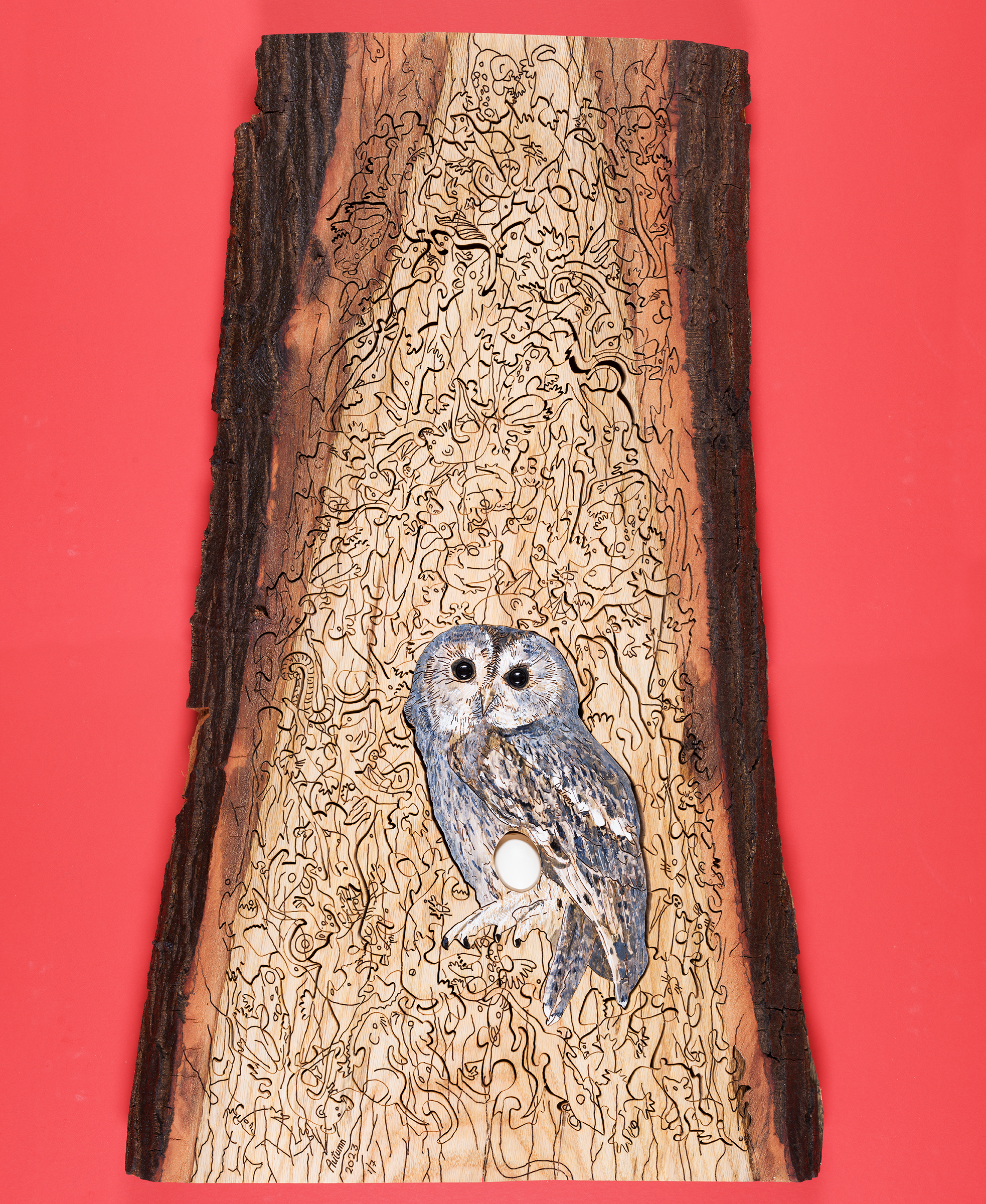
  • Tawny Owl with Egg (Art Puzzle)

    Tawny Owl with Egg (Art Puzzle)

    Title: โ€œTawny Owl with Egg (Art Puzzle)โ€

    Life-sized handmade solid oak art puzzle (Limited Edition of 7)

    Tawny Owl with Egg (Art Puzzle): Full image
    Size: 50cm (W) x 82cm (H) x 8cm (depth) @ 20kg weight
    Medium: A single piece of waney-edged European Oak, hand-cut, hand-engraved, art puzzle
    with inset full-size replica tawny owl egg and acrylic eyes.
    Date: 2023

    First and foremost I want to mention that the eggs used in my work are not real – for obvious ethical reasons (it is also illegal to take wild birds eggs). They are life-size replicas made of a plaster resin composite and hand-painted – not by me, but by a very reputable leading replica birds eggs maker.

    Tawny Owl

    Following on from Guillemot with Egg (Jigsaw Puzzle) (see https://michaelautumn.wordpress.com/2020/03/01/guillemot-with-egg-art-puzzle/), I thought I would pay homage to another favourite bird of mine – the Tawny Owl (Strix aluco). These, like all owls, are very mysterious – especially the noctornal ones (which tawnies are) – because they do things the opposite to us: they sleep/rest during the daylight, and come out – and hunt – at night. They are supremely designed and adapted to this lifestyle: they have excellent hearing and eyesight, they fly almost silently, and their hunting strategy is to hunt in the darkness – when other small nocturnal animals think it’s safe to come out…!

    Mice, voles, shrews, moles – in fact any small rodent up to the size of a rat – are largely nocternal to avoid daylight predators – like kestrels, buzzards, merlin, sparrowhawks. But while rummaging for food and going about their normal lives – in what they think is the relative safety of darkness – a tawny owl – alerted to their presence by their quiet, but inevitable, sounds – can swoop undetected near to the unwitting little creatures. From close by the tawny can watch their prey’s every move – until they decide to pounce, crush and puncture them with their razor-sharp tallons – and then invariably swallow them whole…

    Little birds could be roosting or sleeping in trees or bushes, but if they make any sounds in their sleep – even just quietly snooring or sleep-calling/singing – they are easy game for these owlsโ€ฆ Frogs, toads, newts – in fact any small reptile – making any kind of sound at night – are likely to court the deadly attention of a tawny owl. Even fish splashing about at the water’s surface, or in the shallows, are fair game for these owls…

    Suffice to say that if it is small and it makes a noise, it is on the menu…! So I thought I would play with this idea and illustrate as many of the small creatures tawny owls eat – as jumbled up jigsaw pieces surrounding the main protagonist. The whole design slightly resembles a huge regurgitated pellet of the tawny owl, and the small prey animals are all jumbled up – like fragments in a pellet.

    I like art in the form of a jigsaw puzzle because it is interactive, and by careful design of the shapes and carving on the pieces, I can get the puzzle-solver to look at, and think very carefully about, them – in a way that is simply not possible with non-interactive art. Indeed, someone could look at a piece of art like this and not even notice the small creatures surrounding the main owl – let alone have any understanding why they are there – and why these particular animals. However, trying to solve a puzzle like this is a very different matter – they will definitely think more about what it is they are looking at…!

    I have deliberately made the jigsaw puzzle very subtle because Nature is very subtle. These creatures are very difficult to see because of their camouflage and because they mainly come out at night – and it is precisely because they are so difficult to see that the owls rely on the noise they make to home in on them… The puzzle metaphor lets me toy with the idea that these small creatures think they are invisible – or out of harm’s way – but to a tawny owl, in the dead calm of night, their sounds makes them highly visible…

    Owls typically eat 2-4 mice-sized animals per day – so about a thousand a year. Without owls, goodness know how many mice, moles, voles, rats, small birds, newts, etc. there would be…! If all the creatures a tawny own ate over the course of its lifetime were put into a 30cm diameter (about the width of this jigsaw puzzle) very tall clear tube – I wonder how high the pile of eaten animals would be…

    Close-up of the life-sized tawny owl with replica egg

    Some of the art puzzle pieces laid out

    “Art Puzzle” series

    At the risk of stating the obvious, this work is part of my Art Puzzle series. For readers interested, further details can be found at the originating work’s post @ https://michaelautumn.wordpress.com/2020/03/01/guillemot-with-egg-art-puzzle/

    “Limited Edition” of 7

    The phrase limited edition in this case is a bit of a misnomer. These are all individually handmade by me from my original design. I really wish there was, but there is no mechanical or chemical process I know of by which these can be reproduced – like screen printing, lithographs, card puzzles (using a die and jigsaw press), etc. (for more details please see the aforementioned post).


    Working-on photos


    Finished photos

  • Oak Tree (Art Puzzle)

    Oak Tree (Art Puzzle)

    Title: โ€œOak Tree (Art Puzzle)โ€
    Medium: Hand-drawn, hand-cut and engraved solid European Oak art puzzle (Limited Edition of 7).
    Size: 60cm (H) x 61cm (W) x 4.4cm (depth) @ 11.8kg weight
    Date: 2022

    It started out as a clock!

    I canโ€™t remember why, but this started out as a design for a clock! But after a short while I decided I should make a clock jigsaw puzzle and an oak tree jigsaw puzzle โ€“ as completely separate works.

    My Favourite Tree

    The oak (English Oak – Quercus robur) – is probably my favourite English tree, and Iโ€™ve wanted for many years to pay homage to them. Iโ€™ve travelled quite a bit over the UK, and often it has been to get somewhere lovely by sunrise โ€“ or close to it โ€“ and often Iโ€™ve driven home at sundown โ€“ because I donโ€™t particularly like driving in the dark (for the simple reason I canโ€™t see anything). So I have seen a lot of sun rises and sunsets (sometimes both in the same day) โ€“ and the visions that stand out most in my memory are oak trees with the sun rising or setting behind them. Many an oak I have seen with blood red skies, blazing yellow and orange skies, gloomy slate skies, fresh cold blue skies, stiflingly hot blue skies.

    A great irony of the massive plunder we have done of the natural oak forests in the UK is that the very few trees that remain really stand out alone in the landscape. Often you will see a solitary great oak forming part of a hedge, or standing proud in the middle of a field. And so we can probably see and appreciate them much better now than if we were to go back a thousand years or more โ€“ when the country was blanketed in them โ€“ and you literally couldnโ€™t see the tree for the forests.

    I particularly like to see oak trees in winter โ€“ when you can see their gnarly cauliflower-shaped fractal trunks, branches, and twigs โ€“ and the great silhouettes formed by the trees and the ubiquitous chocking parasitic ivy.

    How to capture the essence of an Oak Tree?

    A 2D photograph doesnโ€™t do an oak tree justice because there is so much to them. But as a starting point, what better way to depict an oak tree than by carving an oak tree from a big chunk oakโ€ฆ?

    How to capture an oak tree in all of its many different guises? Among other things, I wanted to try to depict their status as a keystone species. So many species of mammals (like squirrels, mice, bats), insects (like moths, butterflies (and their caterpillars), and flies), most woodland birds (like owls, tree creepers, nuthatches, tits, finches, warblers, pigeons, doves) – depend on the oak as a place to live. Birds and bats live, rest, and/or nest in the branches, holes bored into the wood, or simply cracks in the bark. Insects shelter on, and in, the bark and leaves (often highly camouflaged). Many parasitic plants like ivy and mosses live on it, as do many species of lichens and fungi.

    Many species depend on oak trees directly or indirectly for food: fungi have a symbiotic relationship with them, bees and wasps pollenate its flowers in spring, insects eat its leaves, bark, and wood. Moths prey on its flies, bats prey on its moths.

    Birds eat the oak treeโ€™s caterpillars (of the butterflies and moths) โ€“ indeed many, like tits, specifically time their breeding to coincide with the huge glut of the caterpillars in spring โ€“ and most warblers in the UK travel all the way from Africa in early spring specifically to do this. Jays, squirrels, and some wasps and bees feed on the acorns, but it is the Jays and squirrels that actually hugely benefit the oak tree by spreading its acorns (seeds) far from where they fall. Without these, the oak tree would depend on the very poor and unreliable mechanical dispersal of acorns rolling downhill or being washed by rain water away from its canopy – in order to spread far and away, and stand a good chance of survival (often there are no plants on the ground under an oak treeโ€™s canopy because of its very dense leaf cover and the competition for nutrients โ€“ so this is a very hostile place for the oak treeโ€™s own seedlings to grow).

    The oak tree is a keystone species even when it is dead (or killed). Fungi, lichen, mosses, and insects will eat and/or digest them, many insects will lay their eggs in them (which in turn will eat the dead wood), and homo sapiens have built navies, buildings, used them as firewood and in the smelting of metal ores and in metals for thousands of years.

    So in a very small way I have tried to capture some of this ecological complexity…

    Fractals

    I also wanted to capture something about the oak treeโ€™s fractal appearance. Small branches resemble a whole tree, and so do large branches. If they are pollarded, what look like whole trees grow out of their stump.

    Seasonality

    I also wanted to capture something about the oakโ€™s seasonal differences โ€“ specifically that they have two distinct personalities: one with leaves and one without leaves. Most of the leaf clumps (summer) in the work can be removed โ€“ leaving exposed branches (winter).

    Oakโ€™s Fruit

    I wanted to capture something about the fruit of the tree โ€“ the humble acorn โ€“ and how that tiny thing can grow into a monster of a plant โ€“ with the chance of living five hundred years or more โ€“ and itโ€™s dead body โ€“ timber โ€“ in the right conditions capable of surviving a thousand years or more.

    Why a Jigsaw Puzzle?

    A jigsaw puzzle seemed a very apt way to represent or capture some the complexity and interconnectedness of the oak tree – which is very interesting because this is proving to be a very fruitful visual communication medium phase I am going through at the moment (I have worked in many art mediums)…

    A jigsaw puzzle is, among other things, a metaphor for my appreication of the wonder of Nature and its mysteries. It is my (very feeble) 2D representation of the 4D (3D + time = 4D) complexties and variaties of some of the huge number of spieces’ interconnectedness – where jigsaw pieces and carved lines are symbolic of some of Nature’s species, camouflage, and its mixed uses.

    Naturally, with this jigsaw puzzle being made of quite chunky oak, the hard, heavy, wood directly communicates oakness to the viewer. So in some unique, and perhaps mysterious, way, the material and the original whole subject – the oak tree – express each other…

    Texture

    Finally I wanted to capture the texture of the tree โ€“ particularly its very rough bark. Iโ€™ve tried to do this by the tactile nature of the puzzle pieces and the engraving on the work.

    “Limited Edition” of 7

    The phrase limited edition in this case is a bit of a misnomer. These are all individually handmade by me from my original design. I really wish there was, but there is no mechanical or chemical process I know of by which these can be reproduced – like screen printing, lithographs, card puzzles (using a die and jigsaw press), etc.